Why Minimalist Living Changes How You Enjoy Life
Camila Torres September 29, 2025
Explore the growing trend of minimalist living and its powerful impact on everyday joy, home organization, and mental wellbeing. This in-depth guide shows how simplifying possessions boosts life satisfaction and uncovers tips for anyone curious about transforming their space and mindset without giving up comfort or style.
The Appeal of Minimalist Living
Minimalist living has sparked curiosity across the world, capturing the hearts of those drawn to a simpler and less cluttered life. More than just a style fad, embracing minimalism means rethinking what’s truly necessary. The focus is on eliminating excess and highlighting the essentials. By reducing the distractions of overfilled spaces, many people rediscover delight in daily routines. This approach often leads to increased satisfaction and a feeling of freedom, as surfaces clear and rooms feel more inviting. Influential voices in home organization, such as Marie Kondo, have contributed to the movement’s popularity by showing how mindful decluttering can transform even small living areas into havens of peace and beauty. Minimalism, notably, does not mean giving up everything you own—it simply means keeping what adds real value to your life.
People often choose minimalist living not just for aesthetics but for the emotional benefits. Cluttered environments are linked to higher stress levels and anxiety. When possessions pile up, so do unwanted reminders and mental distractions. Tidying and letting go of unused or unnecessary items can help reduce these feelings, creating a stronger sense of wellbeing at home (Source: https://www.mayoclinic.org/healthy-lifestyle/adult-health/in-depth/clutter/anxiety-and-productivity/art-20488720). This mental clarity fosters an atmosphere suitable for relaxation, creativity, and happiness—qualities often overshadowed by chaos and consumerism.
The appeal of minimalism often grows once habits take root. As clutter disappears, cleaning becomes less time-consuming. Finding everyday items becomes effortless because everything has a place. Some enthusiasts even find that embracing this lifestyle can improve interpersonal relationships, as shared spaces become peaceful rather than battlegrounds over misplaced or excess possessions. As a result, minimalist living isn’t just about how a space looks—it’s about how it feels and functions for everyone who lives there.
Clearing Space and Conscious Consumption
One of the first steps toward minimalist living is decluttering, which means making intentional choices about what stays and what goes. For many, sorting through closets, shelves, and drawers brings tangible relief. The process can reveal forgotten treasures or underline the habit of keeping duplicates and unused items. Minimalists suggest starting small, perhaps tackling a desk or a single shelf, and gradually working through the home. Donating or recycling what isn’t needed lightens both the physical and mental load. Not only does this make spaces feel larger and more welcoming, but it can also benefit local charities or community organizations by passing along items in good condition (Source: https://www.habitat.org/stories/ways-to-donate-your-used-goods).
Minimalist living naturally leads to more mindful consumer habits. The excitement of shopping is often replaced with thoughtful questions: Will this object actually be useful? Does it fit the existing home environment? Such conscious consumption not only helps individuals save money but also addresses environmental concerns by reducing waste. According to environmental groups, the average household accumulates large quantities of items that eventually end up in landfills (Source: https://www.epa.gov/recycle). Mindfulness in shopping choices can promote a sustainable lifestyle, which many find deeply rewarding.
Developing an eye for quality over quantity becomes second nature. Minimalists often invest in well-made, long-lasting pieces that truly enrich life rather than opting for the fleeting satisfaction of trendy items. The process encourages an alignment between daily actions and values. It’s about creating a home that reflects personality, values, and function—without unnecessary clutter or excess. Ultimately, conscious consumption complements the minimalist experience, making each acquisition more meaningful and the living environment calmer.
Mental Health and Wellbeing in a Simplified Home
There is a growing body of research linking home environments to mental health. Minimalism’s impact here is significant. A tidier, more organized space can bring peace of mind and reduce anxiety, which often stems from feeling overwhelmed by household responsibilities. When everything is in its rightful place, it’s easier to focus, rest, and even be more productive. University psychologists note that busy or messy environments can restrict attention span and strain cognitive resources (Source: https://www.psychologytoday.com/us/blog/the-organized-mind/201501/why-mess-causes-stress-8-reasons-8-remedies).
Simplifying living spaces can also support positive routines around self-care, sleep, and relaxation. With less visual chaos, individuals may sleep better, enjoy evenings without distraction, and create dedicated areas for hobbies or exercise. These routines come together to boost overall wellbeing, offering a sense of mastery and pride in the home environment. The minimalist approach, by removing sensory overload, helps create calmer mornings and more restful nights.
Many who adopt minimalist living report an improvement in interpersonal harmony, too. Shared responsibilities often become easier to manage, leading to fewer arguments about chores and clutter. Some families use their decluttered spaces to foster connection, opting for more meals together at the table or engaging in group activities. The streamlined setting favors relaxation and togetherness, making the home a true retreat from outside pressures and daily stress.
Create Style and Comfort With Fewer Possessions
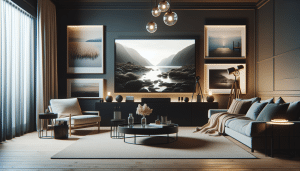
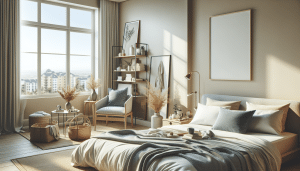
Minimalist living is often mistaken for being cold, empty, or purely functional, but creativity plays a big role in making fewer possessions feel stylish and personal. Choosing a neutral color palette, natural materials, or a few well-chosen art pieces can create warmth and charm within any room. Minimalism encourages selecting home décor that tells a story or inspires positive emotions—these special touches become focal points, inviting conversation and comfort. Interior designers specializing in minimalist spaces show that even small apartments can feel welcoming and elegant by focusing on simplicity, light, and intentional layout choices.
Comfort is key, and it’s fully compatible with a pared-down lifestyle. Rather than sacrificing coziness, a minimalist home can highlight soft textures, favorite throws, or a well-used reading chair. Open floor plans and uncluttered spaces allow for easier movement and better organization, turning daily routines into effortless rituals. Fewer items also mean less cleaning and maintenance, freeing up time for relaxation or entertainment. Minimalist living can help transform home life into something more enjoyable and sustainable over the long term.
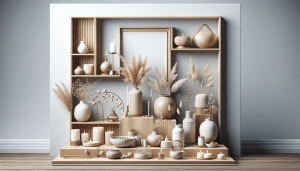
Discovering one’s personal minimalist style is a gradual journey. Some people find satisfaction in open shelving and carefully displayed collections, while others prefer closed storage and hidden organization. The key is ensuring each item serves a purpose, either functional or aesthetic. Over time, these choices develop into a signature style that represents both the residents’ personalities and their commitment to intentional living. There is no single ‘right’ look—only the one that fits best, boosting both style and comfort daily.
The Hidden Benefits of Decluttered Living
The minimalism trend offers surprising benefits that reach far beyond tidy rooms. One interesting advantage is the time saved on cleaning and organizing. Homes with fewer objects tend to require less daily maintenance. This time gain allows for greater flexibility in pursuing hobbies, spending time with loved ones, or simply resting. Those who embrace the minimalist lifestyle often note better focus, improved productivity, and heightened enjoyment in daily moments. When there’s less visual noise to compete for attention, tasks feel less overwhelming, and it’s easier to be present.
Financial freedom is another positive outcome. Spending less on unnecessary possessions helps individuals allocate resources to experiences, travel, or long-lasting investments. Households practicing minimalism may also see lower utility bills, as smaller or better-organized spaces are easier to heat, cool, and light efficiently. According to consumer studies, reducing consumption correlates with improved budgeting behaviors, fewer impulsive purchases, and stronger long-term savings. Mindful spending and thoughtful investing are natural extensions of a minimalist mindset (Source: https://www.consumerfinance.gov/about-us/blog/money-and-mental-health/).
The environmental benefits can be just as meaningful. Decluttering, recycling, and choosing quality items reduce overall waste. Many minimalists actively support green spaces and sustainable initiatives, making decisions that reflect both individual and global wellbeing. They often prioritize eco-friendly products, energy-efficient appliances, and reduced packaging. This synergy between lifestyle and environmental care offers a holistic approach to modern living—one that respects the planet while enhancing daily comfort. Minimalism’s ripple effect can stretch from personal wellness to global stewardship.
Getting Started With a Minimalist Mindset
Transitioning to a minimalist lifestyle starts with a shift in mindset. Begin by visualizing a clutter-free home and considering the emotional rewards of owning fewer but more meaningful possessions. Setting clear intentions, such as reducing stress or boosting happiness, gives the process a sense of purpose. Creating a plan—maybe by choosing one room or category at a time—makes the journey less daunting. Remember, minimalism doesn’t demand rapid, drastic change; small daily steps are key for long-lasting impact.
Engage family members or roommates in the process, encouraging open discussions about the benefits and challenges. Aim for compromise and celebrate each victory, however small. Use online resources or local workshops for inspiration and practical strategies. Create routines that reinforce mindful consumption, like taking inventory before shopping or practicing gratitude for what’s already present. Over time, these habits solidify a minimalist mindset, leading to more harmonious and joyful home life. Persistence and patience are your greatest allies.
Finally, minimalism can be tailored to every lifestyle or living situation. Whether managing a busy household or living solo, the core principles stay the same—intention, mindfulness, and appreciation. Embrace flexibility and allow your environment to evolve with your needs. Celebrate progress, learning from setbacks along the way. The pathway to minimalist living is deeply personal, offering unique rewards at every stage. Its true power lies in the journey, not the destination.
References
1. The Mayo Clinic. (n.d.). Clutter, stress and productivity: How disorganization impacts your mind. Retrieved from https://www.mayoclinic.org/healthy-lifestyle/adult-health/in-depth/clutter/anxiety-and-productivity/art-20488720
2. Habitat for Humanity. (n.d.). Ways to donate your used goods. Retrieved from https://www.habitat.org/stories/ways-to-donate-your-used-goods
3. U.S. Environmental Protection Agency. (n.d.). How to recycle. Retrieved from https://www.epa.gov/recycle
4. Psychology Today. (2015). Why mess causes stress: 8 reasons, 8 remedies. Retrieved from https://www.psychologytoday.com/us/blog/the-organized-mind/201501/why-mess-causes-stress-8-reasons-8-remedies
5. Consumer Financial Protection Bureau. (2021). Money and mental health. Retrieved from https://www.consumerfinance.gov/about-us/blog/money-and-mental-health/
6. National Association of Productivity & Organizing Professionals. (2022). Benefits of an organized home. Retrieved from https://www.napo.net/page/benefits-of-an-organized-home

 Nutrition Tips That Support Brain Health