Hidden Ways Interior Design Influences Your Mood
Camila Torres November 17, 2025
Dive into the subtle power of interior design and how it shapes daily mood and well-being. Discover practical tips, the psychology behind color choices, and the key factors for creating harmonious spaces with a personal touch.
The Overlooked Impact of Room Layouts on Well-being
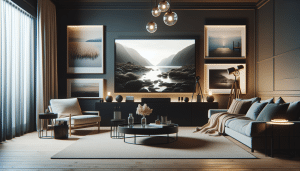
Many people rarely stop to consider how the arrangement of furniture or open spaces in a room can directly shape mental clarity and mood. A well-designed layout balances both flow and function, allowing easy movement and a sense of order. Open-plan living areas, for instance, can promote social interaction while reducing feelings of isolation, a documented benefit in modern lifestyle research (https://www.ncbi.nlm.nih.gov/pmc/articles/PMC4640180/). The absence of clutter is linked to reduced stress, making intentional layout choices valuable for overall well-being.
Zones play a critical role in shaping a home’s atmosphere. Creating defined spaces—even in small apartments—for relaxing, working, and dining encourages healthy routines and boundaries. For example, separating a workspace from a sleeping area can improve sleep quality and productivity. Multi-functional furniture, like fold-out desks or modular sofas, serves both comfort and utility, making everyday life more harmonious without sacrificing style or purpose.
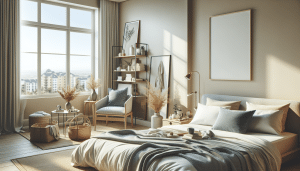
Lighting and layout are closely tied. Strategic placement of natural and artificial lights not only brightens interiors but can nurture positive feelings. Positioning seating near windows maximizes beneficial daylight, improving mood and focus. Even the simple act of rearranging a room to create symmetry or add pathways can foster a more peaceful and inviting environment. Thoughtful design can be as subtle as moving a chair, yet its effect can be profound.
Color Choices and the Psychology Behind Them
Color is far more than a decorative detail—it’s an influential psychological tool. Soft blues and greens are proven to enhance tranquility, while pale yellows encourage optimism. In contrast, reds or bright oranges create energy and a sense of activity, making them perfect accents for kitchens or creative zones (https://www.psychologytoday.com/us/basics/color-psychology). The choice of wall paint or textiles shapes atmosphere subtly, often swaying daily mood without conscious awareness.
Color psychology studies suggest pairing muted hues with vibrant pops can create a balanced and dynamic space. Neutrals like warm grays or creamy whites provide a sense of calm, acting as backgrounds that amplify the effect of feature colors. This method is frequently seen in Nordic-inspired designs, celebrating simplicity while allowing personality through smaller, colorful décor. Over time, these choices support emotional stability and visually engaging environments.
Beyond personal taste, considering cultural meaning behind different colors is important. Some tones evoke historical or regional associations—reds might suggest passion in one culture, luck in another. When picking color schemes, it’s worth reflecting on both sentimental value and immediate feeling. Subtle changes, like a blue rug or gold cushion, may transform not only how a space looks but how living in it feels every day.
Textures, Fabrics, and Their Emotional Influence
Texture is a silent communicator. The feel of a velvet throw, the smooth coolness of marble, or the rustic grain of reclaimed wood can elicit distinctive sensory responses. Plush textures often invite relaxation and comfort, perfect for living rooms and bedrooms. Meanwhile, sleek or matte surfaces lend clarity, subtly signaling sophistication or modernity in dining rooms or home offices (https://www.asid.org/resources/glossary-of-interior-design).
Layering different fabrics and materials offers visual depth as well as emotional warmth. An area rug softens hard flooring, while linen drapes can diffuse sunlight, crafting a cozy ambiance. The interplay of soft and hard elements—a chunky wool pillow on a leather chair, for example—creates a tactile richness that can draw people to linger longer in a space. Textures give environments personality, mirroring personal style and comfort needs.
Beyond appearance, materials can trigger memories and associations. Natural textiles like cotton or wool may evoke childhood, security, or nostalgia. In high-use areas, choosing easy-to-clean yet soft fabrics can promote both relaxation and practicality. Consistency in texture throughout open spaces also supports flow and unity, further enhancing a sense of calm and belonging within the home.
Biophilic Design and Connection to Nature Indoors
Recent trends reveal a growing appreciation for biophilic design—the practice of incorporating nature into home interiors. Indoor plants, natural wood finishes, and stone elements bring outdoor tranquility into personal spaces. Views of greenery through windows or glass doors promote restorative effects, reducing anxiety and boosting cognitive function (https://www.ncbi.nlm.nih.gov/pmc/articles/PMC5663018/). The presence of living things can transform ordinary rooms into havens of peace.
Even subtle nature-inspired motifs—leaf-patterned wallpaper, botanical prints, or organic-shaped accessories—help reinforce this calming connection. Water features like small fountains or fish tanks add gentle sounds, further relaxing the environment. Research supports that exposure to natural stimuli, even in artificial forms, improves creativity and emotional restoration. With careful design, anyone can establish a mental retreat at home.
Sunlight is a cornerstone of indoor nature. Maximizing sun exposure through window placement, sheer curtains, or skylights invigorates living spaces. Daylight influences circadian rhythms, supporting healthy sleep cycles and boosting daytime energy. Mirrors placed opposite windows can multiply light, making rooms feel larger and more vibrant, underscoring the synergy between design and well-being.
The Power of Personal Items and Meaningful Décor
Personal connections make a space truly feel like home. Meaningful décor—photos, souvenirs, heirlooms, or artwork—anchors identity within interiors. Displaying objects with emotional resonance has been shown to foster positive self-reflection and strengthen well-being (https://www.sciencedirect.com/science/article/pii/S0272494412000544). These elements act as gentle reminders of cherished relationships or accomplishments, transforming a generic setting into a tapestry of a life well-lived.
Arranging sentimental pieces thoughtfully can create focal points and conversation starters. Combining objects with different shapes and sizes in small clusters draws the eye and gives decoration a curated feel. Avoiding overcrowding ensures each piece has room to be appreciated, striking a balance between visual interest and serenity. This tailored personalization fosters a sense of ownership and pride in daily surroundings.
Rotating décor seasonally lets interiors stay fresh and relevant. Swapping out pillow covers, table settings, or wall prints according to time of year or personal milestones extends the narrative of a space. These subtle updates give an ongoing sense of renewal, offering chances to reflect on the past while inviting optimism for the future. Personal touches make interior design dynamic and ever-evolving.
Trends in Multi-Functional and Small Space Living
Urban dwellers increasingly seek to maximize limited space, fueling interest in multi-functional interiors. Clever storage solutions—hidden drawers, modular shelving, or collapsible tables—help maintain order without sacrificing aesthetics. Minimalist design, popular in both small apartments and tiny homes, emphasizes simplicity and purpose, tackling the challenge of reduced square footage without diminishing comfort (https://www.houzz.com/magazine/small-spaces).
Flexible furniture is a cornerstone. Murphy beds, nesting stools, and convertible sofas liberate floor area for multiple activities. Wall-mounted desks or fold-out tables transform unused walls into functional workspaces, making remote work or hobbies more feasible. These innovations encourage adaptability, allowing interiors to evolve as lifestyle needs change, ensuring usefulness and harmony even in compact homes.
Designing for small spaces isn’t just about fitting everything in—it’s about intentionality. Carefully chosen décor, neutral color palettes, and strategic lighting all contribute to a sense of openness. Zoning with area rugs or lighting helps break up spaces without physical barriers. Embracing quality over quantity brings out the potential of modest homes, reinforcing the principle that thoughtful design, no matter the size, enhances daily life.
References
1. Srinivasan, A., & O’Fallon, L. R. (2015). Environmental influences on health and behavior. Retrieved from https://www.ncbi.nlm.nih.gov/pmc/articles/PMC4640180/
2. Psychology Today. (n.d.). Color Psychology. Retrieved from https://www.psychologytoday.com/us/basics/color-psychology
3. American Society of Interior Designers. (n.d.). Glossary of Interior Design. Retrieved from https://www.asid.org/resources/glossary-of-interior-design
4. Bringslimark, T., Hartig, T., & Patil, G. (2017). The psychological benefits of indoor plants. Retrieved from https://www.ncbi.nlm.nih.gov/pmc/articles/PMC5663018/
5. Scannell, L., & Gifford, R. (2012). The place attachment effect in design. Retrieved from https://www.sciencedirect.com/science/article/pii/S0272494412000544
6. United States Environmental Protection Agency. (n.d.). Volatile Organic Compounds’ Impact on Indoor Air Quality. Retrieved from https://www.epa.gov/indoor-air-quality-iaq/volatile-organic-compounds-impact-indoor-air-quality

 Daily Habits That Make Your Skin Look Radiant