Minimalist Living Trends That Might Surprise You
Camila Torres November 1, 2025
Minimalist living has inspired countless people to rethink their homes, routines, and personal priorities. This article reveals what drives the popularity of minimalist lifestyles, explores real methods for decluttering, and uncovers unexpected benefits linked to simplicity and conscious consumption.
The Essentials Behind Minimalist Living
Minimalist living is more than a popular interior design; it is a holistic approach affecting daily life, purchases, and even emotional well-being. Many are drawn to this trend for its clarity, calmness, and sense of control. Minimalism promotes keeping only possessions that serve a clear purpose or provide genuine joy, shifting the focus away from accumulation. This conscious attitude supports environmentally friendly lifestyles and encourages considered choices over compulsive purchases. As a result, individuals seeking increased focus and peace often find minimalist living aligns closely with their values. Influential documentaries and global shifts toward sustainability have fuelled the trend, making topics like decluttering, sustainable design, and digital simplicity widely searched online.
Societal pressures for more—whether in consuming media, owning gadgets, or home décor—often leave people feeling overwhelmed and dissatisfied. Minimalism offers a powerful alternative. By simplifying spaces and schedules, followers discover time for meaningful activities and deeper social connections. The principles of minimalism have been adopted in everything from capsule wardrobes to slow living. Many learn through books, online challenges, and guided reflection how to let go of non-essentials. Minimalism encourages people to examine not just physical belongings but also commitments and relationships, leading to thoughtfully structured lives. Some even say they feel lighter and more content after organizing according to minimalism’s core principles.
Recent movements toward sustainability and mindful living fuel renewed interest in minimalist trends. Google’s search data shows increasing questions about reducing waste, simplifying homes, or prioritizing well-being over consumerism. Workshops and online forums provide platforms where people share success stories and practical tips. Some enthusiasts offer virtual tours of minimalist homes, igniting curiosity and inspiring fresh approaches for others. The message? Minimalist living isn’t just about empty shelves. It’s about making room for life itself.
Decluttering Routines: Where Many Start
One of the first steps into minimalist living involves decluttering. This process can at first seem daunting, but countless people find it transformative. Decluttering is often associated with improved mental clarity and reduced stress, as noted in research from major wellness organizations (https://www.mayoclinic.org/healthy-lifestyle/adult-health/in-depth/clutter/art-20126246). Experts encourage focusing on one category or room at a time for manageable progress. Many find that sorting through clothing, books, or kitchenware helps reveal what truly matters. Releasing items that no longer serve a purpose allows for energetic and emotional refreshment, paving the way for new experiences.
Popular methods such as the KonMari technique support decluttering through gratitude-based sorting. Each item is considered for its utility or ability to spark joy. This mindful approach can reveal surprising insights about personal habits and attachments. For some, donated possessions offer a sense of social responsibility, furthering the positive emotional impact. Professional organizers suggest routine maintenance—monthly or seasonally—to prevent clutter from creeping back into daily life. Whether using apps, printed checklists, or simply a calendar reminder, structure helps preserve the gains of initial decluttering efforts.
Support for decluttering often extends online. Social media groups and minimalist blogs provide encouragement, before-and-after inspiration, and troubleshooting. Many people celebrate small victories, such as cleaning out a junk drawer or organizing workspace cables. These actions, while seemingly small, accumulate over time—contributing to a less chaotic, more intentional lifestyle. The accessibility of community support has made it easier for people of all backgrounds to explore new routines in decluttering and minimalist living.
Minimalism’s Effect on Mental Health
Research indicates that cluttered environments can elevate stress and reduce focus. Minimalist living redirects attention away from distractions, fostering a sense of calm. Some psychologists cite reduced decision fatigue as a benefit, where fewer possessions mean fewer choices and associated stress (https://www.ncbi.nlm.nih.gov/pmc/articles/PMC7262682/). A simplified home or office can give space for mindful activities, reflection, or creative expression. For many, this transforms the home into a sanctuary—a place where it is easier to relax, recharge, and be present.
Unexpected mental health benefits frequently arise beyond the initial transition period. Living with less means spending less time maintaining, cleaning, or searching for lost items. This reclaiming of both time and mental energy is repeatedly highlighted in personal testimonials. Many report improved sleep, higher productivity, and greater life satisfaction after adopting minimalist routines. Building habits that align with internal values may increase self-esteem and emotional regulation.
Counselors and therapists sometimes recommend minimalist strategies to those dealing with anxiety or attention issues. Having fewer environmental distractions is associated with calmer moods, particularly in high-stress urban environments. However, experts warn against rigidity: minimalism works best when adapted to one’s personal preferences and culture. The emphasis should always be on creating spaces and routines that nurture, rather than restrict, well-being. In essence, successful minimalist living always remains flexible and user-centered.
Design Choices Inspired by Minimalism
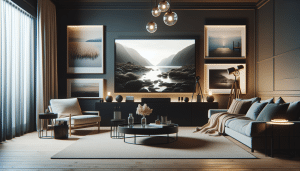
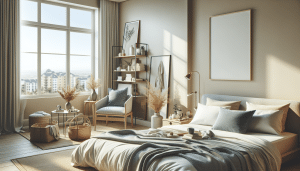
Minimalist design is often visually identified by uncluttered surfaces, neutral color palettes, and open spaces. Furniture doubles as storage. Simple lighting brightens without overwhelming. Architects and designers increasingly use minimalist principles to maximize the feeling of space in smaller homes and apartments. This approach prioritizes function over form, allowing each element to stand out. Green building trends and sustainable architecture now frequently overlap with minimalist home design, emphasizing durability and multipurpose features.
Bigger isn’t necessarily better. In minimalist homes, every piece earns its place—whether a single armchair for reading, or a wall-mounted kitchen organizer. Flexible furniture, like folding tables or modular sofas, supports changing needs. This adaptability is especially important for city dwellers or multigenerational households. Online galleries showcase innovative uses of space, demonstrating that minimalism isn’t limited to any one style or budget. It’s the philosophy—using less to achieve more—that unites them.
Minimalist design’s growing popularity has influenced retail trends. Companies now offer well-crafted, multipurpose products, often from sustainable materials. Digital tools help plan layouts before committing to major purchases. Open shelving, hidden drawers, and neutral decor are among the popular search terms. For those new to minimalist design, sample floor plans and 3D modeling apps give a hands-on introduction. Ultimately, the emphasis is on thoughtful curation rather than deprivation—making every design decision intentional.
Digital Minimalism: Taming Tech Overload
Modern minimalism is not just about physical possessions. Digital spaces are equally in need of order. Digital minimalism emphasizes conscious use of technology—streamlining apps, notifications, and online commitments to avoid overwhelm. Organizing files, regularly deleting old emails, and setting phone boundaries help free up time and reduce digital anxiety (https://www.samhsa.gov/blog/digital-minimalism-creating-fresh-start). Routine screen detoxes are becoming a cornerstone of healthy minimalist practice. While challenging at first, many describe feelings of renewed clarity and purpose after digitally decluttering.
Several digital tools encourage tech balance. Calendar apps can block out undisturbed time, while digital wellness features track screen usage. Learning to batch digital tasks—such as answering emails twice a day rather than constantly—has been shown to boost productivity. Minimalist living translates beautifully to the digital world, helping people focus on what matters most and ignore the digital noise. Discussions on forums and podcasts highlight just how powerful simple digital shifts can be for emotional health.
Many workplaces now support digital minimalism by encouraging fewer meetings, precise communication, and dedicated device-free times. Parents also recognize the importance of modeling healthy tech boundaries for children. As cyber spaces grow ever more complex, even simple rules—such as keeping homescreen apps to a minimum—yield substantial results. Ultimately, minimalist approaches to technology create breathing room and restore a sense of agency, echoing the core lessons of simplicity found across the minimalist lifestyle movement.
Sustainable Habits for Long-Term Minimalism
Minimalism is often linked with sustainability and conscious consumerism. Buying less and choosing more durable, versatile items aligns with efforts to limit waste and environmental impact. Repairing, recycling, or upcycling products also play major roles in long-term minimalist success. Following ethical brands or secondhand markets is a growing trend, both for cost savings and lowering ecological footprints (https://www.epa.gov/smm/sustainable-management-materials-non-hazardous-materials-and-waste-management-hierarchy). Minimalism unmistakably encourages a slower, more respectful relationship to consumption.
Daily habits define how sustainable minimalism truly is. Routine reviews of possessions, conscious meal planning to reduce food waste, and opting for long-lasting goods mark the difference between a passing trend and a lifestyle transformation. In many households, these changes strengthen family ties and foster shared values. Transparent conversations about wants versus needs lead to more satisfaction with what is already owned. Importantly, minimalism isn’t a rigid rulebook. It’s an evolving way of relating to resources and time.
Education plays a vital role in advancing minimalist values. Workshops, schools, and community projects increasingly incorporate sustainability and conscious consumption into their teachings (https://www.educationworld.com/a_lesson/lesson/lesson295.shtml). Awareness campaigns and nonprofit initiatives abound, connecting people with shared goals. The intersection of minimalism and eco-friendly living remains a hot topic across lifestyle media, reflecting its relevance and continued popularity. As more people pursue simplicity, the collective impact on society and the environment could be profound.
References
1. Mayo Clinic Staff. (n.d.). Adult health: Decluttering your life. Retrieved from https://www.mayoclinic.org/healthy-lifestyle/adult-health/in-depth/clutter/art-20126246
2. Kondo, M. (2014). The life-changing magic of tidying up. Ten Speed Press.
3. Roake, J. (2020). Clutter’s impact on mental health. Retrieved from https://www.ncbi.nlm.nih.gov/pmc/articles/PMC7262682/
4. Substance Abuse and Mental Health Services Administration. (n.d.). Digital minimalism: Creating a fresh start. Retrieved from https://www.samhsa.gov/blog/digital-minimalism-creating-fresh-start
5. United States Environmental Protection Agency. (n.d.). Sustainable management of materials. Retrieved from https://www.epa.gov/smm/sustainable-management-materials-non-hazardous-materials-and-waste-management-hierarchy
6. Education World. (n.d.). Making a difference through environmental education. Retrieved from https://www.educationworld.com/a_lesson/lesson/lesson295.shtml

 You Won’t Believe These Low Maintenance Houseplants