Why Minimalist Home Decor Could Surprise You
Camila Torres November 15, 2025
Minimalist home decor draws people in with its simplicity, clean lines, and calming color schemes. This guide explores how a minimalist lifestyle impacts daily living, the psychology behind the trend, ideas for making the shift, and what research says about its benefits for well-being, comfort, and even entertainment value.
The Essence of Minimalist Home Decor
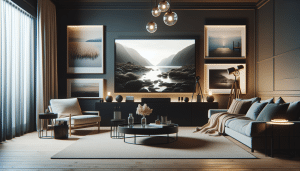
Minimalist home decor is not just a passing trend—it’s a philosophy that prioritizes clarity, calm, and function over clutter and chaos. At its core, this style celebrates open space, uncluttered surfaces, and subdued color palettes. Fans of minimalism claim it creates a sanctuary, where every item is meaningful. Simple shapes, neutral tones, and plenty of natural light make for rooms that feel serene and timeless. For many, stepping into such a space brings about a sense of immediate relaxation. Elements like a single piece of art on a white wall or a tasteful sofa with no unnecessary frills are hallmarks of minimal design. The impact can be profound: less visual noise may equal less stress, and that’s a reason this approach gathers attention across the globe.
Functionality drives the aesthetic. In a minimalist space, furniture serves a clear purpose without excess. Dual-purpose items—think storage ottomans or streamlined shelving—are prized, helping reduce unnecessary objects. Plenty of minimalist home design ideas focus on how to blend usefulness with beauty. Simple does not mean boring; rather, every corner is intentional. This philosophy extends to accessories too. Instead of many decorative objects, a single vase or plant draws the eye. By choosing quality over quantity, spaces avoid feeling empty and instead exude intentionality and calm.
Why do so many find this appealing? The simplicity helps many people feel more at peace in their homes. Studies suggest that a clutter-free environment can reduce anxiety and improve focus, turning the home into a personal retreat (Source: https://www.apa.org/news/press/releases/2011/12/mess-stress). This connection between environment and emotional well-being is key for understanding minimalist appeal. That means this decor trend is about more than looks—it’s about offering an emotionally supportive space as well.
The Psychology Behind Minimalist Living
Pared-down living spaces do more than just look neat. Psychologists note that reducing distractions at home can support mental clarity. Minimalist home ideas go beyond decor; they signal an intentional way of living. Researchers found that organized environments may improve self-regulation, making it easier to make healthier choices (Source: https://news.stanford.edu/2012/04/18/organizing-mind-structure-041812/). A minimalist setup might even help people maintain more organized schedules and routines, by removing both physical and mental clutter.
Living with less can make everyday tasks simpler. Fewer items mean less time cleaning and maintaining your space. This can lead to a greater sense of control and refuge from the chaos of busy lives. When you don’t constantly see unfinished projects or stacks of unused things, your home becomes a place to recharge. Minimalist decor also encourages mindfulness—each chosen object holds value and intention, rather than being kept out of habit or by accident. This philosophy helps reinforce gratitude for what remains, deepening satisfaction with daily living.
This approach to home design often coincides with broader lifestyle benefits. For some, adopting a minimalist strategy helps reduce impulse buying and overspending. In turn, this can lessen financial stress. Minimalism is not about deprivation—it’s about making space for meaningful experiences, not just items. The psychological benefits echo elsewhere too, as many note improved concentration and mood when living without the distraction of physical clutter (Source: https://www.ncbi.nlm.nih.gov/pmc/articles/PMC5579396/).
Making the Shift: Practical Tips to Start Minimalist Decor
Embracing minimalist home decor doesn’t require drastic changes overnight. Begin by editing down possessions. Start with surfaces—clear countertops, coffee tables, and shelves. Minimalist design for living rooms often means eliminating excess decorative pieces, leaving only what feels joyful or useful. Once you choose a few favorite objects, arrange them thoughtfully for maximum effect. Working room by room, ask if each item truly serves a function or brings happiness. If not, consider letting go. It may take time, but the rewards build with each step.
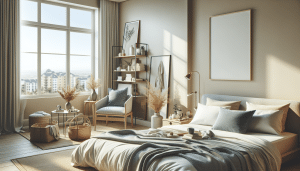
Color matters. Neutral shades such as whites, beiges, and grays create cohesion and help light bounce around the room. Natural materials such as wood, linen, or stone offer subtle variety and warmth while staying true to minimalist principles. Minimalist wall decor ideas often mean choosing a single large art piece or leaving walls free, letting texture stand out. Bringing in plants—or a carefully selected light fixture—can add softness and personality without clutter. Thoughtful placement and restraint produce calm, visually appealing environments.
Multi-functionality reduces visible clutter and maximizes use of space. Consider built-in storage to hide essentials from view. Furniture that does double duty, such as beds with drawers underneath, fits right in with minimalism. Decluttering digital spaces matters, too. Tidy up electronics and hide cords to maintain clean lines. Over time, maintaining a minimalist space can become second nature. Explore societies and websites for more professional advice; groups like the National Association of Productivity & Organizing Professionals offer workshops and digital guides for beginners (Source: https://www.napo.net/).
Minimalism and Entertainment: Rethinking How You Use Space
Minimalist living isn’t just about how a room looks. It influences how people gather and what they do at home. Removing clutter creates space for activities that matter—reading, games, or simple family gatherings. Many people notice that visitors relax more easily in minimalist homes, because it’s easier to focus on conversation and shared experiences. Spaces feel open and flexible, adapting easily to changing needs. A spacious living room can become a quiet retreat one evening and a lively gathering space the next.
Entertainment technology blends seamlessly in these environments. Wall-mounted TVs disappear when not in use, and sound systems are hidden in built-in cabinets or beneath sleek surfaces. Minimalist entertainment room design highlights function. Smart storage and flexible seating allow for quick transitions from movie time to yoga practice. There’s an emphasis on experiences, not material objects. With fewer distractions, family and friends may find themselves drawn into richer interactions and activities, enhancing social well-being and joy.
Minimalism can also encourage more mindful media consumption. With devices out of sight, people may feel less compelled to binge-watch or scroll endlessly. Instead, a minimalist setting creates space for intentional choices—like reading a book, playing music, or engaging in creative hobbies. This use of space supports healthier digital habits and helps cultivate a more balanced home life (Source: https://www.pih.org/article/why-decluttering-matters-your-health).
Long-Term Benefits of Minimalist Home Design
Minimalist home decor offers both immediate and lasting benefits. Early adopters often report feeling lighter and more in control after decluttering. Over time, these effects can deepen. Living in a tidy environment has been linked to better sleep quality, more productive routines, and less overwhelming stress. Studies suggest that maintaining minimal spaces may support better mental health, as reduced clutter leads to calmer moods and higher satisfaction (Source: https://www.health.harvard.edu/mind-and-mood/declutter-your-mind).
The shift to minimalism can also affect how resources are used. Homeowners often consume less by buying only what is needed. This approach saves money in the long run, as replacing disposable décor with thoughtfully chosen, durable items means fewer purchases. Many also report less time maintaining their space, freeing up hours for rest and hobbies. Minimalist approaches to storage and cleaning can make day-to-day life feel less rushed, creating a greater sense of control and wellbeing.
Some families find that minimalist principles help children develop healthier habits around possessions and consumerism. This teaches respect for belongings, sustainability, and the value of shared family time. Experts recommend involving the whole household in the process—group decluttering activities and discussions about priorities can help everyone adjust. For many, the journey towards a minimalist home yields not just a nicer looking space, but also a more peaceful and rewarding lifestyle (Source: https://www.psychologytoday.com/us/blog/smart-parenting-smarter-kids/201805/how-minimalism-creates-happier-families).
Maintaining Minimalism Over Time
Minimalism is not a one-time project. Maintenance is key—regularly reassessing what’s truly necessary keeps clutter from creeping back in. Experts suggest setting aside time every few months for a simple ‘reset’—reviewing closets, shelves, and drawers. As interests and lifestyles change, so too should your space. Understanding that the minimalist journey is ongoing helps make the process sustainable. Digital reminders or calendar notes can keep this routine aspect on track.
Seasonal changes present a natural opportunity to freshen up decor. Rotating artwork, adding a seasonal plant, or updating textiles can renew interest without adding excess. People often take inspiration from Scandinavian design, which blends minimalism with subtle textures and seasonal elements. This shows that minimalist decor can be warm and inviting, not sterile. New habits, once formed, become part of daily life, helping households stick to their intentions and avoid returning to cluttered ways.
Staying motivated is easier with community support. Online groups, minimalist blogs, and local workshops introduce fresh strategies and provide encouragement. Learning from others’ successes and challenges helps people refine their approach and stay inspired. Over time, minimalist home decor becomes more than a style—it’s a lifestyle that supports well-being, creativity, and a renewed sense of what truly matters (https://www.becomingminimalist.com/benefits-of-minimalism/).
References
1. American Psychological Association. (2011). Mess causes stress: clutter impacts mental well-being. Retrieved from https://www.apa.org/news/press/releases/2011/12/mess-stress
2. Stanford University. (2012). Organizing the mind: structure helps improve decision making. Retrieved from https://news.stanford.edu/2012/04/18/organizing-mind-structure-041812/
3. National Center for Biotechnology Information. (2017). Living with less: the mental health benefits. Retrieved from https://www.ncbi.nlm.nih.gov/pmc/articles/PMC5579396/
4. Partners In Health. (2021). Why decluttering matters to your health. Retrieved from https://www.pih.org/article/why-decluttering-matters-your-health
5. Harvard Health Publishing. (2023). Declutter your mind, declutter your life. Retrieved from https://www.health.harvard.edu/mind-and-mood/declutter-your-mind
6. Psychology Today. (2018). How minimalism creates happier families. Retrieved from https://www.psychologytoday.com/us/blog/smart-parenting-smarter-kids/201805/how-minimalism-creates-happier-families

 Secrets You May Not Know About Passive Income Streams