Why Minimalist Living Might Change Everything for You
Camila Torres November 25, 2025
Curious about how minimalist living can make daily life more rewarding? This guide explores the fascinating lifestyle trend of living with less, revealing practical benefits, emotional advantages, and steps to simplify your space and mind. Learn how to create a home that feels open, peaceful, and true to you.
Understanding the Essence of Minimalist Living
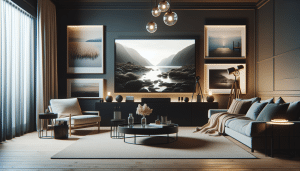
Minimalist living is more than a home décor trend — it’s a lifestyle philosophy that emphasizes living with intention. The concept centers around choosing quality over quantity, letting go of excess, and cultivating a space that truly serves daily needs. People who embrace minimalist living often report feeling lighter, less stressed, and more in tune with their real priorities. This approach doesn’t require a stark or empty home; instead, it’s about making room for what matters. By featuring only essential furniture and keeping tabletops clear, many discover calm in their surroundings. A minimal environment can prompt deep reflection, encouraging a reassessment of what’s necessary and what is merely clutter.
Interestingly, minimalist living also intersects with sustainability, as it typically means consuming less and reducing waste. Choosing to purchase fewer, higher-quality products can lead to a positive environmental impact. Fewer items translate to less cleaning, easier organization, and reduced environmental footprint. The simplicity of this practice is what draws many people to explore minimalist interior design and lifestyle blogs, as it promises both aesthetic satisfaction and inner peace. Minimalist spaces can also make apartments and smaller homes feel more spacious, functional, and inviting. Flexibility is built in: this philosophy doesn’t prescribe a fixed number of items — rather, it supports continual mindfulness about what brings joy and utility.
For some, the minimalist journey begins with a single room. Others might be sparked by documentary films or captivating books focused on simplifying life. Regardless of the starting point, minimalist living is highly personalized. Some choose a monochrome palette, while others keep a few favorite colorful pieces that evoke happiness. The core is always intentionality: each object should serve a purpose or add beauty. As people integrate minimalist habits into routines, many report greater satisfaction and a revived sense of control over time and space. This foundation lays the groundwork for broader lifestyle changes, deeply impacting emotional and practical well-being.
Why People Embrace a Minimalist Lifestyle
There are many reasons individuals gravitate toward minimalist living. Increasingly, people report feeling overwhelmed by consumer culture and endless digital distractions. The desire to simplify life and declutter mental space often sparks the decision to try minimalism. By downsizing possessions, a sense of freedom can emerge. The process may uncover emotional connections to material things, but many find that letting go is liberating. As clutter is reduced, focus shifts from constantly acquiring items to appreciating and nurturing experiences, relationships, and creativity. Such benefits are often highlighted in mental health and wellness reports, signaling the emotional strength gained by choosing less.
Minimalist living can also increase productivity and efficiency. With fewer distractions and tidier environments, it’s easier for the mind to concentrate and make decisions. This clarity often carries into other areas, supporting goal setting and better work-life balance. For families, adopting minimalism can foster more meaningful interaction, as less time is spent organizing or cleaning up. Children, too, may benefit by having calmer environments and developing resourceful, imaginative play rather than depending on an abundance of toys. Experts in home organization suggest that starting with small decluttering sessions can lead to positive, lasting habits.
Financial freedom is another significant motivator for adopting minimalist habits. By purchasing fewer items, people often save money, enabling them to invest in experiences like travel, wellness programs, or education. Budgeting becomes more straightforward, and impulse buying tends to decrease, replaced by careful consideration before any purchase. Survey data from consumer research organizations shows that those who live minimally tend to be more financially secure and experience less regret around spending. Minimalist living, therefore, is not just about visual appeal — it’s a pathway to overall well-being and autonomy.
Decluttering: Practical Steps to a Minimalist Home
Adopting a minimalist lifestyle often begins with decluttering physical spaces. Start small: a single drawer, closet, or surface can be a manageable entry point. Experts recommend removing everything from the space, sorting by category, and making intentional decisions about each item. Ask: Does it serve a daily purpose or bring genuine happiness? Items that are broken, duplicated, or unused for months can be sold, donated, or recycled. Every cleared space opens up opportunities for greater calm and organization. It’s not just about cleaning — it’s a transformative process that can reshape a relationship with material goods.
Many resourceful guides emphasize the importance of routine tidying, rather than one-time overhauls. Setting aside a few minutes each day or designating weekends for decluttering ensures lasting impact. Minimalist storage solutions, like modular shelves and baskets, help maintain order without adding clutter. Digitally, unsubscribing from unnecessary emails and organizing files can add to the sense of cleanliness and simplicity. The result: daily life feels less chaotic, making room for focused work, relaxation, or spontaneous gatherings. Decluttering is as much about making space in the mind as it is about organizing belongings.
The emotional side of decluttering shouldn’t be underestimated. Some items hold sentimental value, making them difficult to part with. Minimalist advocates suggest keeping only those things that truly capture important memories or serve a function. Consider digitizing photos, letters, or children’s artwork to preserve the memory without excess physical storage. Over time, an organized, clutter-free environment promotes peace and a more intentional approach to bringing new items into the home. Continual editing becomes a habit, encouraging reflection and conscious consumption as part of an ongoing minimalist journey.
Benefits of Minimalist Design in Home Environments
Many are drawn to minimalist design for its elegance, but its impact goes deeper. Open space, clean lines, and natural light can make even small rooms appear more expansive. This design style supports a calming atmosphere, where each element serves a function and visual noise is minimized. Studies in environmental psychology suggest that uncluttered spaces may lower stress and promote relaxation. Neutral color palettes, streamlined furniture, and simple decor create a sense of tranquility that’s easy to maintain and adapt.
Minimalist interiors are also easier to clean and keep organized. Smooth surfaces, fewer objects, and thoughtful layout choices reduce the build-up of dust and make regular upkeep less of a burden. For allergy sufferers, this can translate to improved health, while those with busy schedules appreciate time saved on chores. Flexibility is another advantage: minimalist living rooms and kitchens can be quickly updated with a few seasonal accents, without the need for frequent shopping or extensive renovations. This adaptability aligns well with changing family needs or shifts in personal taste — the core structure remains timeless.
Thoughtful use of plants, art, and lighting in minimalist homes can foster connections to nature and creativity. A single piece of artwork or a well-placed indoor plant may shine more brightly without surrounding distractions. Experts recommend choosing decor that is meaningful, whether it’s a favorite photo or a handmade ceramics piece. Ultimately, a minimalist home serves its inhabitants, not the other way around. Every design choice is made with purpose, reflecting an appreciation for mindful living and comfort in simplicity.
Emotional and Mental Benefits of Living With Less
Living with fewer possessions can bring significant emotional rewards. After decluttering, many experience relief and newfound clarity. The absence of physical excess can help reduce anxiety, allowing space for relaxation and personal growth. Minimalist living also encourages a shift in priorities: rather than focusing on acquisition, more attention goes to nurturing relationships, pursuing hobbies, and exploring passions. Many supporters of this lifestyle report improved sleep and greater self-awareness as key outcomes.
There’s strong evidence linking minimalist environments to reduced stress and depression. Physical order often promotes mental order, aiding focus and decision-making. Mindful consumption naturally extends into other life domains, leading to healthier habits around eating, technology use, and daily routines. Minimalism is not about deprivation; instead, it fosters abundance through appreciation and gratitude for what is present. As a result, many find joy in simplicity, resilience during difficult times, and increased energy for creative pursuits.
Practicing minimalism can also build greater emotional resilience. The process of letting go — of possessions, old habits, or unrealistic expectations — paves the way for positive change. By evaluating needs honestly and making conscious choices, individuals often cultivate discipline and self-belief. These skills translate into empowerment at work, in relationships, and during life transitions. Minimalist living becomes a tool for growth and flexibility, supporting well-being in a world filled with complexity and distractions.
Tips and Resources for Starting Your Minimalist Journey
Anyone interested in minimalist living can start with a few simple steps. Begin by assessing current habits and identifying areas that feel chaotic or overwhelming. Planning small, manageable projects — such as clearing a single shelf or rethinking wardrobe essentials — helps build momentum. Popular books, podcasts, and online courses on minimalism provide motivation and step-by-step strategies. Connecting with like-minded communities can also offer inspiration and support during the transformation process.
Professionals in interior design frequently advise starting with the bedroom, since it’s a private and restful space. Invest in quality bedding, minimize decorative items, and ensure everything has a designated place. Beyond physical decluttering, digital minimalism is equally valuable: organize photo libraries, delete unused apps, and curate social media feeds for positivity. Periodically review and edit belongings, habits, and commitments to stay aligned with minimalist principles. This continuous reflection is what transforms a temporary purge into lasting lifestyle change.
Numerous resources are available to guide your journey toward minimalist living. From national organizations dedicated to sustainable living, to university programs focusing on mindful consumption, there’s no shortage of reputable advice and community support. Workshops, books, and online forums can provide practical guidance tailored to diverse needs and living arrangements. For many, adopting minimalist living becomes not only a path to a cleaner space but a catalyst for reimagining what happiness and fulfillment mean in daily life.
References
1. National Institutes of Health. (n.d.). Minimalism: The pursuit of more with less. Retrieved from https://nihrecord.nih.gov/2020/02/14/minimalism-pursuit-more-less
2. Harvard Health Publishing. (n.d.). The mental benefits of a clutter-free home. Retrieved from https://www.health.harvard.edu/blog/mental-benefits-of-a-clutter-free-home-2019022115990
3. American Psychological Association. (n.d.). Stress and the home environment. Retrieved from https://www.apa.org/news/press/releases/stress/2012/impact
4. University of Minnesota. (n.d.). How a minimalist lifestyle supports well-being. Retrieved from https://www.takingcharge.csh.umn.edu/how-minimalist-lifestyle-supports-wellbeing
5. U.S. Environmental Protection Agency. (n.d.). Reducing waste: Simple steps for sustainability. Retrieved from https://www.epa.gov/recycle/reducing-waste-what-you-can-do
6. Mayo Clinic. (n.d.). Clutter and stress: How decluttering can help your health. Retrieved from https://www.mayoclinic.org/healthy-lifestyle/stress-management/in-depth/decluttering-for-mental-health/art-20469851

 Secrets You Miss About Indoor Plants for Wellbeing