Streamlining Your Home with Minimalist Living
Camila Torres November 27, 2025
Explore how embracing minimalist living can help you declutter, create calming spaces, and boost everyday well-being. This guide covers practical tips, design trends, and the science behind mindful simplicity for a more intentional lifestyle.
The Minimalist Lifestyle: Foundations and Mindset
Minimalist living is more than just an interior design trend—it’s a conscious approach to simplifying your life. At its core, minimalism encourages people to declutter both physical spaces and mental habits to foster clarity and calm. By prioritizing essentials and letting go of excess, individuals can focus on what matters most. Minimalism is about quality over quantity, inviting reflection on consumption patterns and lifestyle choices. Many adopt this approach after feeling overwhelmed by material possessions or busy schedules, finding that less truly can be more when it comes to comfort and happiness.
This way of living offers tangible mental health benefits. Studies highlighted by the Anxiety and Depression Association of America suggest that organized, tidy environments reduce stress and can enhance mood (https://adaa.org/learn-from-us/from-the-experts/blog-posts/consumer/declutter-your-home-declutter-your-mind). With fewer distractions, it’s easier to concentrate on daily tasks and even form productive habits. Adopting a minimalist perspective doesn’t require giving up everything; rather, it encourages thoughtful curation of belongings and commitments. Whether it’s giving away unused items, digitizing paperwork, or setting limits on digital notifications, small steps lead to noticeable improvements in well-being.
Changing to a minimalist lifestyle starts with recognizing what truly adds value to your life. Some find it helpful to list personal priorities, then align their possessions and routines accordingly. Minimalism is not a one-size-fits-all practice—it reflects personal values and needs. Embracing a minimalist mindset also often includes choosing sustainable, multipurpose items over disposable, single-use products. This conscious decision-making impacts both personal satisfaction and environmental footprint, forming a foundation for long-term fulfillment.
Minimalist Design Trends: Creating Serene Spaces
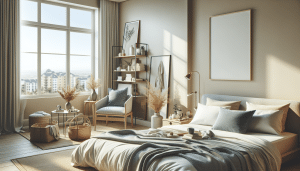
Minimalist interior design is marked by open spaces, neutral color palettes, and functional décor. The goal is to create a calming atmosphere that supports relaxation and focus. Clean lines, uncluttered surfaces, and plenty of natural light are hallmarks of this trend. Scandinavian design, Japanese-inspired interiors, and modern simplicity all fall under the minimalist umbrella. Designers often recommend starting with whites, beiges, or light grays for larger items like walls and furniture, then adding a few natural textures for warmth.
Furniture selection plays a big role. Pieces that offer storage—like beds with drawers or multi-use tables—help reduce visible clutter, aligning perfectly with minimalist goals. While some may worry that pared-back interiors feel cold, incorporating plants, textiles, and personal art can add vibrancy without creating chaos. According to industry experts at the American Society of Interior Designers, strategic lighting and thoughtful placement of decor can transform sparse rooms into inviting retreats (https://www.asid.org/resources/press-releases/simple-interior-design-trends).
Minimalism is also about intentional purchasing. Instead of impulsively buying trendy items, consider what will be loved and useful for years. This extends to electronics, kitchenware, and clothing. By curating with care, each item contributes to a harmonious aesthetic and a more manageable living space. People who embrace minimalist design often report that their homes feel like sanctuaries—a place where stress melts away, and everyday routines become less hectic.
Decluttering Strategies for a Minimalist Home
Decluttering is a foundational step toward minimalist living. Many start small—tackling a drawer or shelf—then move on to bigger tasks. Sorting objects into ‘keep,’ ‘donate,’ ‘recycle,’ or ‘discard’ categories simplifies decision-making. Professional organizers like those at the National Association of Productivity and Organizing Professionals encourage working in focused sessions, avoiding burnout and decision fatigue (https://www.napo.net/page/declutter). Regularly reviewing and letting go of unused items can become both a practical routine and a rewarding emotional process.
Some find the Marie Kondo method helpful—asking whether each item “sparks joy” before keeping it. Others use the “one in, one out” rule, adding a new item only if an old one is removed. Digital clutter, too, can impact peace of mind. Unsubscribing from unnecessary emails, organizing files, and limiting screen time all support a more streamlined digital presence. The key is consistency and patience—decluttering takes time and intention but pays off in simplicity and ease.
Decluttering isn’t a one-time event. It’s an ongoing practice that evolves as life circumstances and priorities shift. Many minimalists revisit their belongings seasonally or annually, continually refining what’s useful and meaningful. For families, involving everyone in the process builds shared values around mindful consumption. Teaching children about donating toys or clothing can foster empathy and gratitude. Ultimately, a decluttered home supports other minimalist goals, from improved focus to easier cleaning routines.
Mindful Consumption and Sustainable Choices
Minimalism and sustainability often go hand in hand. By purchasing less and choosing quality, eco-friendly products, individuals reduce waste and environmental impact. The Environmental Protection Agency indicates that minimizing household goods can significantly decrease landfill contributions (https://www.epa.gov/smm/sustainable-management-materials-non-hazardous-materials-and-waste-management-hierarchy). Instead of frequently swapping out furniture or appliances, focus on timeless design and durable materials. Buying in bulk, supporting local artisans, and repurposing or repairing items further uphold a minimalist, sustainable ethos.
Clothing is another area where intentionality matters. Building a capsule wardrobe—selecting versatile, interchangeable pieces—can dramatically reduce clutter and simplify daily decisions. The nonprofit Project 333 challenges individuals to dress with 33 items for three months, proving that style need not require excess. Opting for organic fabrics, ethical brands, and secondhand finds not only lessens environmental impact but also encourages a thoughtful relationship to fashion (https://project333.com/getting-started/).
Embracing minimalist, sustainable habits can generate long-term financial benefits as well. Spending less on non-essential goods frees up resources for experiences, savings, or investments in higher-quality necessities. Some households find joy in meal planning or bulk cooking, reducing food waste and enjoying home-cooked meals together. Minimalist consumption creates positive ripple effects—supporting both a fulfilling personal lifestyle and the wider effort to reduce global resource strain.
The Science of Simplicity: Minimalism and Well-Being
Research in psychology and behavioral health consistently finds that organized, uncluttered environments foster improved well-being. A study published by Princeton University Neuroscience Institute concluded that an abundance of stimuli in a living space can impair attention, focus, and information processing (https://dataspace.princeton.edu/handle/88435/dsp011r66j216b). Simplifying environments is linked to lower anxiety, better sleep, and even increased creativity, as mental energy isn’t spent processing excess distractions.
Minimalist routines can also support emotional resilience. By lessening decision fatigue—a growing modern concern—individuals reclaim mental bandwidth for important choices and relationships. Yale School of Medicine notes that developing intentional daily habits, including those around environment and consumption, helps nurture a sense of control and satisfaction (https://medicine.yale.edu/news/yale-medicine-magazine/minimalism/). People often report feeling lighter and generally more optimistic after paring down their physical and digital spaces.
Social scientists also highlight community benefits. Organizing group decluttering sessions, participating in local buy-nothing groups, or sharing minimalist living tips can spark friendships and foster a sense of belonging. Being surrounded by like-minded individuals supports positive change and accountability. As minimalist living grows in popularity, new resources, support networks, and fresh design inspirations continue to flourish—making simplicity accessible to all.
Minimalism Beyond the Home: Applying Simplicity to Your Life
The principles of minimalist living aren’t confined to home décor or possession management. Minimalism can be applied to relationships, work schedules, and even social media use. Setting boundaries, prioritizing meaningful connections, and avoiding overcommitment free up invaluable time and emotional energy. Tools like digital detoxes, focused work blocks, and values-driven goal setting help foster tranquility in an age of constant noise.
For many, integrating minimalism into work or creative projects leads to dramatic improvements in productivity and satisfaction. Streamlining workflows by removing unnecessary steps, automating repetitive tasks, or saying no to non-essential meetings clears the path for deep focus. Some companies are now adopting minimalist office design—open layouts, neutral colors, uncluttered desks—to enhance employee well-being and creativity (https://hbr.org/2019/01/why-you-need-a-digital-declutter).
Minimalism is ultimately about intentionality. It is a lifelong practice—not a destination. As needs change, minimalists regularly evaluate and adjust their environment and routines. The rewards are enduring: more clarity, deeper relationships, and a sense of freedom from unnecessary pressures. With each choice, simplicity becomes not just a way to design a living space, but a powerful means of shaping a fulfilling, balanced life.
References
1. Anxiety and Depression Association of America. (n.d.). Declutter Your Home, Declutter Your Mind. Retrieved from https://adaa.org/learn-from-us/from-the-experts/blog-posts/consumer/declutter-your-home-declutter-your-mind
2. American Society of Interior Designers. (n.d.). Simple Interior Design Trends. Retrieved from https://www.asid.org/resources/press-releases/simple-interior-design-trends
3. National Association of Productivity and Organizing Professionals. (n.d.). Declutter. Retrieved from https://www.napo.net/page/declutter
4. Environmental Protection Agency. (n.d.). Sustainable Management of Materials. Retrieved from https://www.epa.gov/smm/sustainable-management-materials-non-hazardous-materials-and-waste-management-hierarchy
5. Princeton University Neuroscience Institute. (n.d.). Interactions of Top-Down and Bottom-Up Mechanisms in Human Visual Cortex. Retrieved from https://dataspace.princeton.edu/handle/88435/dsp011r66j216b
6. Yale School of Medicine. (n.d.). Minimalism. Retrieved from https://medicine.yale.edu/news/yale-medicine-magazine/minimalism/

 Secret Ways You Save on Luxury Travel Experiences