Nutrition Tips That Support Brain Health
Camila Torres September 29, 2025
The idea that food influences brain health is nothing new—but the science is evolving rapidly. A rising frontier in health and nutrition is the use of microbiome diets for brain health, a targeted approach that focuses on how your gut bacteria influence your cognitive function, mood, and mental clarity. No longer are we just counting calories or looking at macros. Now, the future lies in feeding the right microbes to enhance brain performance.
Microbiome diets don’t just promote overall wellness—they support memory, mood regulation, focus, and even long-term protection against neurodegenerative diseases. This article breaks down the research, methods, and how you can begin applying this powerful strategy in your own life.
The Gut-Brain Axis: More Than Just a Trend
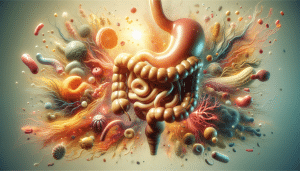
The gut-brain axis is the communication system linking the gastrointestinal tract and the central nervous system. It operates through neural, hormonal, and immune pathways. What’s revolutionary is that your gut microbiota—trillions of microorganisms in your digestive system—play an active role in this communication. They produce metabolites such as short-chain fatty acids, neurotransmitters, and inflammatory regulators that affect how your brain functions (Zhang et al., 2025).
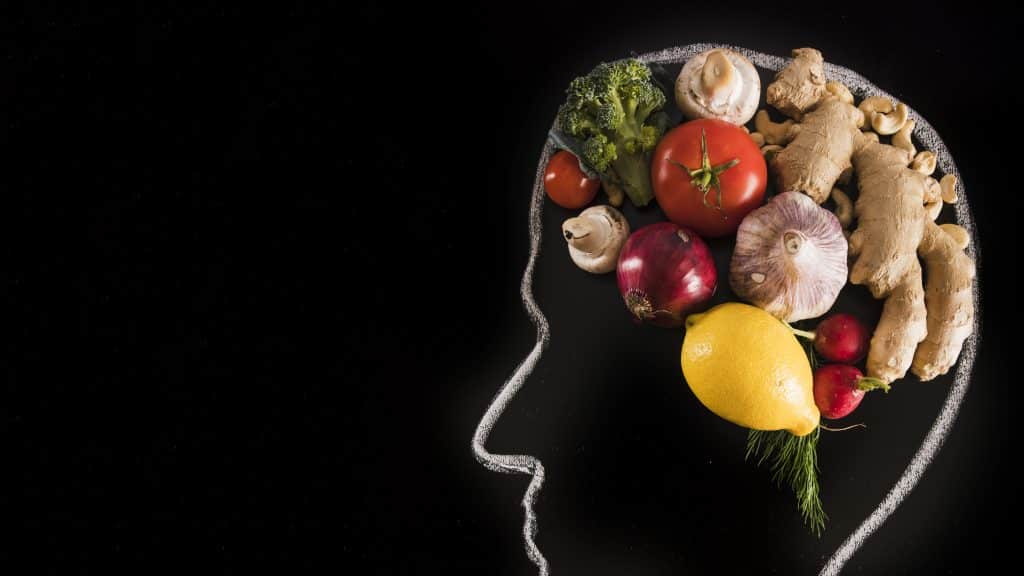
These microbes can influence your mood, cognitive function, and even risk of conditions such as Alzheimer’s and depression. And because they’re influenced by what you eat, your diet becomes a direct tool for influencing your brain—via your gut.
Precision Nutrition Meets Mental Performance
Unlike traditional diet advice, precision nutrition adapts dietary strategies to the individual—based on genetic, metabolic, and microbial data. In the context of brain health, this means customizing your diet to increase beneficial bacteria that produce brain-supporting compounds, while suppressing those that trigger inflammation.
For example, a 2025 study emphasized that personalized dietary fiber (like inulin or arabinoxylans) could boost butyrate-producing bacteria—known to reduce neuroinflammation (Tuigunov et al., 2025). This is a leap forward from one-size-fits-all nutrition. The focus is on feeding your gut the right way.
Real Science, Real Benefits
1. Improved Cognition Through Prebiotics
Prebiotics are non-digestible fibers that feed beneficial gut bacteria. A recent clinical trial found that older adults who consumed a daily prebiotic supplement for 12 weeks showed significantly improved verbal memory scores compared to a placebo group (Dalile et al., 2024). These improvements were attributed to enhanced microbial production of SCFAs (short-chain fatty acids) like butyrate, which are known to reduce inflammation in the brain.
2. Psychobiotics That Enhance Mood and Focus
Psychobiotics are probiotic strains with a proven impact on the central nervous system. Certain strains like Lactobacillus rhamnosus and Bifidobacterium longum have shown effects in reducing anxiety and improving memory. These strains don’t just “balance your gut”—they actively contribute to mood regulation by modulating neurotransmitters such as GABA and serotonin (Liu et al., 2024).
3. Fasting and Microbiome Synergy
Emerging research shows that intermittent fasting can alter gut microbiota composition in ways that support brain health. A study published in Gut in 2025 demonstrated that a 14:10 time-restricted eating pattern improved microbial diversity and cognitive performance in overweight adults (Mela et al., 2025).
How to Build a Microbiome Diet for Brain Health
1. Start with High-Impact Prebiotics
Incorporate fibers that feed beneficial microbes, especially those that produce SCFAs:
- Chicory root, garlic, onions, leeks (inulin)
- Whole oats, barley (beta-glucans)
- Psyllium husk or flaxseed
Start with 3–5g per day and gradually increase to 10–15g to avoid gas or bloating.
2. Include Targeted Psychobiotics
Select probiotic strains with clinical backing:
- Lactobacillus helveticus R0052
- Bifidobacterium longum R0175
- Lactobacillus rhamnosus GG
These can be found in certain supplements or fermented foods like kefir and yogurt.
3. Add Polyphenol-Rich Foods
Polyphenols are plant compounds that gut microbes convert into anti-inflammatory and antioxidant molecules:
- Berries, dark chocolate, green tea, turmeric
- Extra virgin olive oil, red grapes, rosemary
These don’t just feed your gut—they reduce oxidative stress in the brain.
4. Apply a Fasting Window
Adopt a 12:12 or 14:10 fasting/eating cycle. This gives your microbiome time to “clean house” and encourages metabolic flexibility—a key factor in brain resilience.
The Challenges and What to Watch Out For
While the potential is high, microbiome diets for brain health are still emerging. Here are key challenges:
- Lack of Standardization: No two microbiome tests give the same results. Accuracy varies widely.
- Access and Cost: Full personalization often requires expensive sequencing tests and dietitian support.
- Trial and Error: Even evidence-backed interventions might take time to show results or require dosage adjustments.
- Short-Term Data: While preliminary results are promising, long-term data is still limited.
Still, the fact that many of these interventions are low risk and high reward makes them worth testing.
Your 30-Day Starter Plan
Without needing a test or supplement, you can begin with the following basic routine:
- Daily Prebiotic Fiber: 1 serving of cooked leeks, 1 tbsp flaxseed in oatmeal
- Fermented Food: 1 cup kefir or ½ cup sauerkraut per day
- Polyphenol Inclusion: Green tea in the morning, berries or 85% dark chocolate in the afternoon
- Fasting Routine: Eat from 10am–8pm or 9am–7pm consistently
- Mindfulness Tracking: Journal your focus, mood, and memory scores weekly
Conclusion: The Microbiome Diet Revolution is Here
The connection between your gut and brain is no longer speculative—it’s supported by growing scientific consensus. Whether you’re looking to boost focus, prevent cognitive decline, or simply support emotional resilience, microbiome diets for brain health offer a unique and powerful tool.
As more precision testing becomes available and long-term studies are completed, these strategies will only grow more refined. But even now, you can take control of your brain health—starting in your gut.
References
- Dalile, B., Boyle, N. B., Ruiz, F. T., Chakrabarti, A., Respondek, F., Dodd, G., … & Kadosh, K. C. (2024). Targeting cognitive resilience through prebiotics: A focused perspective. Available at: https://advances.nutrition.org (Accessed: 29 September 2025)
- Mela, V., et al. (2025). Microbiota fasting‑related changes ameliorate cognitive outcomes. Available at: https://gut.bmj.com (Accessed: 29 September 2025)
- Zhang, R., Ding, N., Feng, X., & Liao, W. (2025). The gut microbiome, immune modulation, and cognitive decline: insights on the gut‑brain axis. Available at: https://www.frontiersin.org (Accessed: 29 September 2025)

 DIY Projects That Improve Home Functionality