Unlocking Secrets of Gut Health for Lasting Wellness
Camila Torres November 28, 2025
Gut health influences much more than digestion. It plays a role in immunity, energy, and mental clarity. Discover guide-supported ways to nurture your gut, identify common issues, and explore scientifically supported tips for using probiotics, fiber, and balanced nutrition to support your overall well-being.
The Importance of Gut Health in Everyday Life
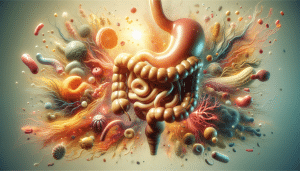
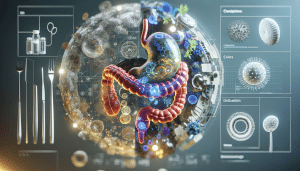
Gut health is gaining attention for its surprising impact on much more than just digestion. The human gastrointestinal tract is home to trillions of bacteria, often referred to as the gut microbiome. This diverse community helps regulate immune response, extract nutrients from food, and protect the body against invading pathogens. Many people notice shifts in their overall wellness, mood, and energy levels when their digestive health is thrown off-balance. Researchers are linking a well-supported gut to cognitive function and resilience against certain chronic conditions, making the topic far more relevant than ever before.
What happens inside the gut doesn’t stay there. Gut bacteria produce metabolites, vitamins, and even neurotransmitters that interact directly with the body. Some of these substances travel beyond the digestive system, interacting with the central nervous system and organs throughout the body. That’s why terms like the ‘gut-brain axis’ have become increasingly common among healthcare practitioners and researchers. When the microbiome is disrupted—perhaps by poor diet, antibiotics, or chronic stress—symptoms from fatigue to digestive discomfort or immune issues may arise.
Investing in gut health is not about chasing the latest trend but supporting the foundation of wellness. Practical strategies, such as increasing intake of fiber through whole grains and vegetables, introducing fermented foods like yogurt or kimchi, and managing stress, may encourage a more robust microbiome. Each person’s gut is unique. Still, a balanced, minimally processed diet paired with regular activity can create an environment where beneficial microbes thrive and support long-term health.
Recognizing Common Signs of an Unbalanced Gut
Many subtle clues can indicate the gut microbiome is off balance. Persistent bloating, irregular bowel habits, excessive gas, or unexplained aches are signals the body may be sending. Even skin problems, like persistent breakouts or eczema, can sometimes trace back to digestive health. Low energy, food intolerances, and recurring colds might also signal a compromised gut barrier, which can allow unwanted substances into the bloodstream and trigger an immune response (Source: https://www.ncbi.nlm.nih.gov/books/NBK279396/).
Mental health symptoms are increasingly studied as potential markers of poor gut health. Because gut bacteria influence neurotransmitter production, they can affect mood, focus, and mental clarity. There are cases where chronic stress, anxiety, or brain fog seem closely connected to gut imbalances. These links aren’t always direct or exclusive, but examining digestive wellness can add another layer to understanding why these symptoms persist in some individuals.
Of course, not all issues can be traced to the gut, and self-diagnosis isn’t recommended. Still, awareness helps people consider gut health as a factor in their overall picture of well-being. Taking note of persistent changes—especially when combined with other symptoms—provides valuable information for healthcare professionals and can guide practical next steps for feeling better daily.
How Probiotics and Prebiotics Influence Gut Flora
Probiotics are live microorganisms, often referred to as ‘good bacteria,’ that can provide health benefits when consumed in adequate amounts. Prebiotics, in contrast, are non-digestible food components (such as certain fibers) that feed these beneficial bacteria. Including both in the diet gives the microbiome vital support. Yogurt, kefir, tempeh, and sauerkraut are well-known probiotic foods, while garlic, onions, bananas, and oats deliver prebiotics.
Research into probiotics shows they can restore gut balance after antibiotic use, help ease symptoms of irritable bowel syndrome, and may support immune function (Source: https://www.nccih.nih.gov/health/probiotics-what-you-need-to-know). However, not all probiotics have the same effects, and different strains work best for different conditions. It’s important to recognize that supplements aren’t regulated with the same rigor as medicines, so opting for well-researched products or food-based sources can provide a safer approach for most people.
Prebiotic fibers play their part by nourishing good bacteria, allowing them to multiply and outcompete undesirable species. When these fibers are fermented by bacteria, they produce short-chain fatty acids. These compounds reinforce the gut barrier, lower inflammation, and support healthy metabolism. Combining prebiotic-rich foods with daily servings of fermented products offers a natural, accessible method for many to maintain or improve gut function over time.
The Role of Fiber in Digestive Harmony
Fiber isn’t just about keeping digestion regular—it’s central to maintaining an environment where beneficial microbes can flourish. Soluble fiber from fruits, vegetables, beans, and oats helps absorb water, forming a gel that slows digestion and assists in blood sugar regulation. Insoluble fiber, found in whole grains and the skins of certain fruits, adds bulk and helps things move efficiently through the intestines.
High-fiber diets are consistently linked with greater microbial diversity, which researchers associate with health resilience and disease prevention. Fiber can also help reduce certain risk factors for heart disease and type 2 diabetes, both of which have indirect connections to gut and metabolic health (Source: https://www.hsph.harvard.edu/nutritionsource/carbohydrates/fiber/). Aim for gradual increases in fiber intake to avoid discomfort and pair fiber-rich foods with adequate water.
Some fibers act directly as prebiotics, feeding specific bacterial strains that generate substances like butyrate—closely linked with reduced inflammation and gut barrier integrity. Each fiber-rich meal becomes an investment in long-term wellness. Over time, prioritizing a variety of plant foods not only supports digestion but helps create a thriving microbiome that impacts energy, stamina, and overall comfort.
Diet, Lifestyle, and Their Influence on Microbial Balance
What’s on the plate matters, but so do everyday habits. Artificial sweeteners, highly processed foods, and excessive alcohol can negatively affect gut diversity. By contrast, a varied, minimally processed diet supports a rich microbial landscape. Fresh fruits, legumes, and nuts provide important vitamins, while fermented foods introduce new beneficial strains and metabolites into the system.
Stress plays a powerful—sometimes underestimated—role in gut health. When stress is chronic, it increases pro-inflammatory chemicals in the gut and may disrupt the protective mucosal lining. Practicing stress management techniques such as mindfulness, yoga, or simple daily movement can buffer against negative changes in the microbiome (Source: https://www.apa.org/topics/gut-brain-connection).
Sleep and physical activity influence gut health as well. A consistent sleep schedule and moderate daily exercise are both linked with more diverse gut flora and better digestive function. While no single habit acts as a cure-all, small, cumulative lifestyle adjustments can add up to a more balanced gut and a more energetic daily life. Each choice is another opportunity to nourish the microbes that help keep the body resilient.
When to Consider Professional Guidance for Gut Issues
Some individuals experience persistent gut symptoms despite lifestyle changes. This may signal an underlying condition such as inflammatory bowel disease, food intolerance, or small intestinal bacterial overgrowth. Ignoring these signals can lead to further complications, while early guidance can provide tailored solutions and improved outcomes (Source: https://www.mayoclinic.org/diseases-conditions/digestive-health/symptoms-causes/syc-20374514).
Healthcare providers use a range of tools to assess gut health, including medical history, lab tests, and sometimes elimination diets. Collaboration with a registered dietitian or gastroenterologist can help identify specific triggers, create appropriate meal plans, or consider targeted probiotic therapies. This comprehensive approach recognizes the interconnected nature of diet, lifestyle, and gut function.
Ultimately, while information empowers action, persistent symptoms, unexplained weight loss, or blood in the stool should never be ignored. Seeking professional insight can help distinguish common digestive disruptions from more serious conditions, ensuring the right supports are in place for lasting well-being.
References
1. National Institutes of Health. (2021). Gut Microbiome. Retrieved from https://medlineplus.gov/gutmicrobiome.html
2. National Center for Biotechnology Information. (2015). The Human Microbiome: The Role in Health and Disease. Retrieved from https://www.ncbi.nlm.nih.gov/books/NBK279396/
3. National Center for Complementary and Integrative Health. (2022). Probiotics: What You Need To Know. Retrieved from https://www.nccih.nih.gov/health/probiotics-what-you-need-to-know
4. Harvard T.H. Chan School of Public Health. (n.d.). Carbohydrates and Fiber. Retrieved from https://www.hsph.harvard.edu/nutritionsource/carbohydrates/fiber/
5. American Psychological Association. (n.d.). The Gut-Brain Connection. Retrieved from https://www.apa.org/topics/gut-brain-connection
6. Mayo Clinic. (n.d.). Digestive Health. Retrieved from https://www.mayoclinic.org/diseases-conditions/digestive-health/symptoms-causes/syc-20374514

 What You Might Not Expect About Buying Your First Home