Discover Real Ways You Can Improve Gut Health Fast
Camila Torres November 27, 2025
Explore the science-backed strategies that genuinely support gut health. From probiotic foods to stress management, learn which daily habits can make your digestive system thrive and what to look for in a holistic wellness routine focused on your gut microbiome.
Understanding Gut Health and Its Importance
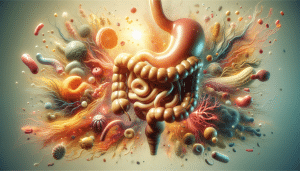
The gut is home to trillions of bacteria and other microorganisms making up the gut microbiome, an ecosystem linked to everything from nutrient absorption to mood balance. Many people are surprised to learn how much their daily food choices, stress levels, hydration, and sleep patterns impact the delicate balance within their gastrointestinal tract. Supporting optimal digestion and comfort can start with small, intentional steps. Gut health relates directly to immunity, as nearly 70 percent of your immune system resides within the gut. A well-functioning gut helps break down food, absorb nutrients, and keep unwelcome pathogens at bay. When the gut is healthy and diverse, people often notice more energy, smoother digestion, and a more balanced mood. Incorporating fiber-rich foods and probiotics is one way to provide your microbiome with the nourishment it needs for robust wellness, as demonstrated in several large-scale studies (https://www.nih.gov/news-events/nih-research-matters/role-microbiome-human-health).
Gut issues manifest in many forms, such as bloating, irregular bowel movements, fatigue, and even skin problems. Recognizing these signals is a vital part of developing an effective gut care routine. Individuals experiencing frequent discomfort may benefit from keeping a food journal, tracking symptoms in relation to meals, and noting possible triggers. This approach can reveal if particular foods, like dairy or high-sugar snacks, are affecting digestive function. Learning about the gut-brain axis—the communication pathway between the digestive tract and the mind—has changed how experts approach wellness. Understanding these links empowers people to make dietary and lifestyle changes that boost both physical and mental well-being. By listening closely to how your body responds after different meals or during stressful events, habits can be adjusted for smoother digestion.
The complexity of gut health makes it a fascinating topic for ongoing research. Recent advances suggest the balance of microbes living in the gut can influence sleep quality, inflammation, and even metabolic health. For example, incorporating a greater variety of plant-based foods is now recommended for anyone hoping to encourage diversity in their gut flora, which can lead to better resilience against illness (Source: https://www.niddk.nih.gov/health-information/digestive-diseases). Simple changes such as swapping refined grains for whole grains or adding a daily serving of sauerkraut can set the stage for transformation. Routine self-assessment and gradual change is encouraged to uncover individualized solutions that fit various lifestyles.
Key Foods to Nourish Your Microbiome
Diet shapes gut health more than any other factor. Consuming prebiotics and probiotics is central for anyone interested in restoring or maintaining gut balance. Prebiotic foods, like garlic, onions, bananas, and asparagus, serve as food for beneficial bacteria and help populations thrive. Probiotics—found in yogurt, kefir, miso, and kimchi—introduce live cultures that may crowd out harmful bacteria and restore gut harmony. Experts suggest a blend of both food types creates the ideal environment for your microbiome, supporting smoother digestion and better immune function (https://www.hsph.harvard.edu/nutritionsource/probiotics/).
Whole grains, such as oats, barley, and brown rice, offer a rich supply of soluble fiber, which holds water and slows digestion. This process can keep you fuller for longer and provides fermentable material for gut bacteria, producing short-chain fatty acids that strengthen the intestinal lining. A diverse diet featuring different types of fiber encourages an even greater variety of gut microbes, amplifying resilience. Including legumes, nuts, seeds, and leafy greens delivers vitamins and minerals essential for a balanced digestive ecosystem. Many people overlook the role of hydration, but drinking enough water optimizes fiber’s benefits by moving waste smoothly through the digestive tract.
Fermented foods are a standout for those seeking more robust gut support. From tangy sauerkraut to spicy kimchi, fermented vegetables are rich in beneficial microbes. Kombucha and certain cheeses also provide live cultures, but always check food labels for the tag “contains live and active cultures” for efficacy. Mixing in these foods regularly can promote a healthier gut, as suggested by reviews from the Mayo Clinic (https://www.mayoclinic.org/healthy-lifestyle/nutrition-and-healthy-eating/expert-answers/probiotics/faq-20058065). Start with small servings to allow your digestive system to adapt, especially if you’re new to fermented options.
Lifestyle Factors That Influence Gut Wellness
Daily habits go beyond food and can meaningfully affect gut function. Physical activity boosts circulation and helps food move efficiently, decreasing the chances of constipation and bloating. Even moderate movement, like brisk walking or gentle yoga, encourages improved gut motility. Stress plays a surprisingly large role in gut health due to the gut-brain connection. Chronic stress disrupts the microbiome’s balance and can trigger or worsen gut issues. Learning stress reduction strategies, such as meditation, deep breathing exercises, or mindful walks outside, can support a healthier internal ecosystem. A focus on sleep hygiene—getting enough hours of quality rest each night—is also linked with a more diverse microbiome and better digestion.
Many people find that routines greatly impact digestive wellness. For example, eating at consistent times every day supports the body’s natural circadian rhythms and can help regulate bowel habits. Limiting processed foods, added sugars, and excessive alcohol makes a noticeable difference for many. These substances may encourage the growth of less beneficial microbes, leading to imbalances and symptoms. Hydration once again plays a part, as adequate water intake keeps intestinal contents soft and manageable. Taking breaks from screens and spending time in nature can further reduce stress, contributing to an environment where beneficial microbes flourish.
Additional research is revealing even more connections between regular exercise, lower stress levels, and improved gut health outcomes. Clinical guidelines from research institutions highlight the synergistic effects of movement and mental health practices in creating positive digestive outcomes (https://www.ncbi.nlm.nih.gov/pmc/articles/PMC5641835/). People who make gradual changes and observe their body’s responses often see improvements in energy, mood, and digestion. Focusing on gentle routines, balanced nutrition, stress relief, and self-care can collectively lay a solid foundation for better gut function.
Recognizing When to Seek Guidance or Clinical Support
Sometimes, gut discomfort needs more than home remedies and dietary tweaks. If symptoms persist—such as frequent abdominal pain, blood in the stool, unexplained weight loss, or extended changes in bowel habits—it is wise to seek guidance from a healthcare provider. Persistent issues could signal underlying conditions like irritable bowel syndrome, celiac disease, or food intolerances that require professional diagnosis and management. Early intervention can provide relief and prevent complications by identifying and addressing causes based on evidence as outlined by the National Institute of Diabetes and Digestive and Kidney Diseases (https://www.niddk.nih.gov/health-information/digestive-diseases/symptoms-causes).
Diagnostic evaluations vary but may include detailed discussions about eating habits, family health history, and medical tests—such as endoscopies or allergy screenings. Armed with this information, healthcare providers can offer advice on tailored dietary changes, supplements, or medications if needed. Some individuals benefit from consulting registered dietitians experienced in digestive wellness to construct a customized food plan. If emotional well-being is involved—for example, stress-induced digestive symptoms—working with a psychologist or counselor can also be helpful. Taking proactive steps and involving supportive resources contributes to long-term wellness.
Clinical support doesn’t mean surrendering control—it empowers individuals with education, targeted therapies, and accountability. Ongoing check-ins with a healthcare team can ensure adjustments are effective and encourage sustainable habits for lifelong digestive health. Even minor symptoms should not be ignored, as gut disturbances may impact immunity, mental clarity, and energy. Awareness, openness to professional input, and continued self-monitoring form the pillars of effective management for complex or persistent gut concerns.
Emerging Research and Future Directions in Gut Health
The world of gut health is constantly evolving, with researchers uncovering new connections between the microbiome, chronic illness, metabolism, and mood disorders. Recent findings suggest tailored probiotic strains could target specific digestive complaints or even influence conditions like obesity and insulin resistance. The science of personalized nutrition—creating diet plans based on individual microbiome profiles—is gaining traction. This approach promises to deliver highly specific advice for gut support, further refining wellness recommendations for future generations (https://www.ncbi.nlm.nih.gov/books/NBK279396/).
Technology is expanding options for at-home microbiome testing kits, allowing people to learn more about their unique bacterial makeup and make informed lifestyle modifications. These insights may lead to broader, population-wide shifts in dietary guidelines as more is learned about what constitutes a healthy, diverse microbiome. Researchers are also exploring how gut health overlaps with neurological and autoimmune disorders, broadening our understanding of how vital the digestive system is for total wellness. Interested individuals can track new studies through university and hospital research updates.
Incorporating findings from leading research institutions, new therapies aim to blend proven dietary interventions with cutting-edge science. Whether through new prebiotic supplements, specialized probiotics, or advances in fiber technology, the future holds a variety of approaches for those wanting improved gut function. Staying curious, looking for new reputable studies, and being willing to experiment in healthy ways are all part of a proactive approach to self-care. The gut health revolution continues to open doors to whole-body vitality and wellness.
References
1. National Institutes of Health. (n.d.). Role of the microbiome in human health. Retrieved from https://www.nih.gov/news-events/nih-research-matters/role-microbiome-human-health
2. NIDDK. (n.d.). Digestive Diseases. Retrieved from https://www.niddk.nih.gov/health-information/digestive-diseases
3. Harvard T.H. Chan School of Public Health. (n.d.). Probiotics. Retrieved from https://www.hsph.harvard.edu/nutritionsource/probiotics/
4. Mayo Clinic. (n.d.). Probiotics and prebiotics: What you should know. Retrieved from https://www.mayoclinic.org/healthy-lifestyle/nutrition-and-healthy-eating/expert-answers/probiotics/faq-20058065
5. National Library of Medicine. (n.d.). The role of the gut microbiota in nutrition and health. Retrieved from https://www.ncbi.nlm.nih.gov/pmc/articles/PMC5641835/
6. National Center for Biotechnology Information. (n.d.). Gut microbiota: Introduction. Retrieved from https://www.ncbi.nlm.nih.gov/books/NBK279396/

 Everyday Rituals That Transform Your Skin Health