Unlocking Secrets of Gut Health for Your Wellbeing
Camila Torres November 29, 2025
Explore the connection between gut health and overall wellbeing. This comprehensive guide reveals how a balanced microbiome, prebiotic foods, mindful eating habits, and natural lifestyle adjustments can transform digestive comfort and long-term health.
The Surprising Impact of Gut Health on the Body
Gut health is a cornerstone of overall wellness, but many people overlook its influence until digestive discomfort becomes impossible to ignore. The gut, often called the second brain, houses trillions of microorganisms that impact everything from immune system function to mental clarity. Research continually reveals that a balanced gut microbiome can benefit not only digestion but also mood, metabolic stability, and the body’s resilience to everyday stress. The diversity of this internal ecosystem—known as the gut microbiome—plays a key role in breaking down nutrients, producing essential vitamins, and protecting against harmful bacteria. These connections point to the gut as a pivotal player in sustaining daily energy and supporting whole-body health (see https://www.nationalgeographic.com/science/article/your-gut-is-directly-connected-to-your-brain).
Factors such as diet, sleep, and physical activity directly affect the gut’s ability to process food, absorb nutrients, and defend the body against pathogens. Unbalanced diets, high in processed foods and low in fiber, may disrupt the harmony of beneficial gut flora. Conversely, dietary choices that include a variety of whole grains, fruits, fermented foods, and vegetables help nourish a healthy microbiome. Building awareness of foods that soothe or challenge the digestive system empowers individuals to make better choices for comfortable, regular digestion. This growing understanding is inspiring more people to focus on gut-friendly habits that reduce bloating, discomfort, and more serious gastrointestinal issues (supported by the Medical News Today).
Gut health’s ripple effects are far-reaching. It’s now clear that the gut communicates with vital organs through a sophisticated system called the gut-brain axis, enabling it to influence emotions, cognitive performance, and even immune response. Symptoms like fatigue, anxiety, or frequent illness can sometimes be traced back to gut imbalances. Recognizing this central role can motivate action towards mindful eating, regular hydration, and stress management. With each positive shift, the gut’s beneficial bacteria help strengthen resilience, offering a foundation for vibrant, sustainable wellness (as explored by Harvard Health).
Meet Your Gut Microbiome: Your Inner Ecosystem
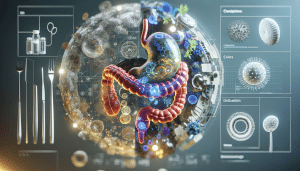
The gut microbiome is a complex, ever-changing world of bacteria, fungi, and other tiny organisms living inside the digestive tract. These microbes team up with the body to digest foods, create vitamins like B12 and K2, and keep potentially harmful invaders at bay. Every person’s gut microbiome is unique, shaped by genetics, environmental exposure, early nutrition, and lifelong dietary choices. Studies indicate that individuals with more diverse gut flora often experience improved digestion and metabolic flexibility. Encouraging this diversity starts with understanding the types of microbes that call the gut home and how daily habits either nurture or hinder their growth (Nature).
A disrupted microbiome can contribute to common challenges like constipation, diarrhea, food intolerances, or even skin issues. Recent research connects gut microbiome imbalances with autoimmune conditions, allergies, and inflammatory diseases. Exposure to certain environmental chemicals or excessive antibiotic use can diminish the population of beneficial bacteria, making room for less helpful strains to dominate. Proactively supporting the microbiome requires more than just taking probiotics. Sustainable, gut-friendly routines, such as eating fiber-rich foods and practicing stress reduction techniques, offer a deeper approach to thriving gut flora (Gut Microbiota for Health).
While the science of gut health is still emerging, consistent trends show that integrating prebiotics and probiotics into the diet helps nourish beneficial microbes and promote digestive comfort. Prebiotics are natural fibers that become food for gut bacteria, found in foods like garlic, onions, asparagus, and bananas. Meanwhile, probiotics are live bacteria found in yogurt, kefir, kimchi, and sauerkraut. The right balance between these elements can help fortify the gut against daily stress and dietary shifts. A thriving microbiome not only supports regularity but may even foster a more balanced emotional state and sharper focus.
Simple Lifestyle Habits to Boost Gut Health
Making small, sustainable changes can dramatically improve digestive comfort and overall wellness. Start with the basics: increase intake of fiber-rich foods like oats, beans, lentils, and seasonal vegetables. Fiber acts as a natural fuel for beneficial bacteria, helping maintain the internal balance that supports optimal digestion. Drinking plenty of water aids the movement of fiber through the digestive tract, preventing constipation and allowing the gut to function at its best. People who notice bloating or irregularity may benefit from experimenting with various sources of fiber, adjusting slowly to allow the gut to adapt (CDC Nutrition).
Regular movement is another pillar of gut wellness. Studies have found that even moderate amounts of physical activity, such as daily walks or stretching, are associated with smoother digestion, a healthier gut environment, and reduced inflammation throughout the body. Movement stimulates the natural contractions of the gastrointestinal tract, which helps food progress steadily and reduces discomfort. Incorporating movement into daily routines—taking stairs, gardening, or joining a group class—can yield subtle yet meaningful improvements in how the gut feels and works day to day (Healthline).
Sleep and stress management are often underestimated when it comes to gut health. The body performs crucial restorative functions overnight, including repairs that benefit the gut lining. Meanwhile, chronic stress can trigger digestive symptoms by disrupting gut hormone balance and microbiome diversity. Mindfulness practices, steady routines, and prioritizing relaxation can minimize these effects. Many report that with improved sleep and balanced routines, stomach upsets, heartburn, and other digestive issues decline, leaving them with more energy and brighter moods each day (Sleep Foundation).
Foods That Nourish the Gut and Foods to Approach with Care
The foundation of a gut-supportive diet is variety—colorful, whole foods supply the essential nutrients and prebiotic fibers that empower gut flora to thrive. Emphasize fermented foods, whole grains, leafy greens, nuts, and berries in daily meals. Each category provides distinct benefits, from boosting beneficial bacteria to protecting the gut lining against irritation. In contrast, ultra-processed foods, high-sugar snacks, and unhealthy fats may compromise gut health by promoting inflammation or feeding less friendly microbes. Many people find that limiting sugary sodas, processed meats, and fried foods leads to notable digestive improvements (Harvard T.H. Chan School of Public Health).
Eating patterns play a critical part in digestive comfort as well. Rushed meals or eating on the go may interfere with optimal breakdown and absorption of nutrients. Mindful eating, or tuning in to hunger and fullness signals, supports smoother digestion by allowing the gut to focus on its natural rhythms. Chewing slowly and savoring each bite can make a difference in how food is processed and how the body feels afterwards. Individuals with sensitivities may benefit from journaling what they eat and how different foods affect their gut, helping to identify patterns or triggers worth discussing with a professional (American Society for Nutrition).
Some foods, though healthy for most, can cause discomfort in sensitive individuals—these include lactose-containing dairy, gluten, onions, and cruciferous vegetables. Navigating these sensitivities requires patience and experimentation. Working with a registered dietitian can clarify which exclusions are truly necessary and help maintain diverse, balanced nutrition. Often, small changes—such as introducing probiotic-rich foods or adjusting preparation methods—create noticeable differences without overhauling the entire menu. With attention to timing, variety, and preparation, most people can find a personalized, gut-friendly approach that feels both enjoyable and sustainable.
Recognizing When to Seek Support for Digestion
Mild digestive discomfort is common, but some symptoms indicate a need for medical guidance. Persistent pain, blood in stool, unintentional weight loss, ongoing constipation, or severe bloating may require professional attention. While day-to-day strategies can relieve minor symptoms, ongoing or severe issues could signal underlying conditions that need targeted care. Early evaluation often eases concerns and helps tailor safe, effective solutions. Meanwhile, most people benefit by tracking how changes in diet and lifestyle affect symptoms to better inform discussions with a healthcare provider (Mayo Clinic).
For many, working with a registered dietitian or nutritionist offers reassurance on navigating food sensitivities, elimination diets, or gut irritability. These specialists suggest evidence-based nutritional adjustments that promote gut health without unnecessary restrictions. They can also guide gradual reintroduction of foods, helping distinguish between temporary reactions and more chronic sensitivities. Alongside medical support, patients often find that documenting food habits and emotional states uncovers correlations between stress, sleep, and digestive symptoms, leading to more targeted self-care strategies.
Holistic support may include mindfulness coaching, stress reduction practices, and mental health check-ins. Because the gut-brain axis is so influential, anxiety and emotional distress sometimes translate into physical symptoms. Leveraging professional and self-guided approaches can create a powerful support network for managing gut health and feeling in control of wellbeing. Careful, informed attention to both physical and emotional aspects supports long-term progress and greater daily comfort.
Building Long-Term Habits for Gut Wellness
Sustaining gut health is a journey rather than a sprint. Quick-fix approaches may offer short-term relief, but the greatest gains come from developing consistent, healthy habits that address nutrition, movement, rest, and stress. Over time, these daily practices establish an internal environment where beneficial microbes can flourish, discouraging the growth of less helpful strains. Many who commit to gut-friendly routines notice not only smoother digestion but also improvements in energy, concentration, skin health, and overall mood.
Flexibility and curiosity are key allies in this process. The gut microbiome is dynamic and responds to life’s changes—travel, illness, and age can alter microbial diversity. Maintaining a willingness to adapt, try new foods, and modulate routines in response to gut feedback is empowering. Iterative adjustments, like introducing more prebiotic-rich snacks or exploring new forms of fiber, keep the process enjoyable and aligned with personal tastes. These explorations help demystify gut health, transforming it from an abstract concept into an accessible, everyday reality.
Sharing experiences and insights with friends, family, or online support groups can reinforce motivation and provide new ideas when challenges arise. Social connection and shared goals support emotional wellbeing, which in turn benefits the gut-brain axis. Over time, prioritizing gut health anchors both body and mind in resilience. By treating the gut with attention and kindness, individuals lay the foundation for lifelong wellbeing rooted in balance and self-awareness.
References
1. Harvard Health Publishing. (n.d.). The gut-brain connection. Retrieved from https://www.health.harvard.edu/diseases-and-conditions/the-gut-brain-connection
2. Gut Microbiota for Health. (2021). The human gut microbiome: How healthy is yours? Retrieved from https://www.gutmicrobiotaforhealth.com/the-human-gut-microbiome-how-healthy-is-yours/
3. Mayo Clinic. (n.d.). Digestive problems: Symptoms and causes. Retrieved from https://www.mayoclinic.org/diseases-conditions/digestive-problems/symptoms-causes/syc-20370106
4. Harvard T.H. Chan School of Public Health. (n.d.). Healthy gut diet. Retrieved from https://www.hsph.harvard.edu/nutritionsource/healthy-gut-diet/
5. National Geographic. (2019). Your gut is directly connected to your brain. Retrieved from https://www.nationalgeographic.com/science/article/your-gut-is-directly-connected-to-your-brain
6. Nature. (2019). The human microbiome: Why our microbes could be key to our health. Retrieved from https://www.nature.com/articles/d41586-019-00653-1

 Why Skills-Based Education Is Changing How You Learn