You Won’t Believe What Minimalism Does to Your Life
Camila Torres September 26, 2025
Minimalism isn’t just a trend. It is an intentional lifestyle that impacts your well-being, finances, and relationships. This guide explores minimalist living, its unexpected benefits, and practical tips for transforming the spaces and habits that shape everyday experiences.
What Is Minimalism in Lifestyle
Minimalism, as a lifestyle, means living with intention and reducing life’s excess to focus on what truly matters. This could mean decluttering physical spaces, rethinking purchases, or simplifying daily routines. Minimalist living doesn’t require having only a handful of possessions. It encourages choosing only items, experiences, and relationships that bring lasting value. Many people find that, contrary to popular belief, minimalism makes life richer rather than empty. By embracing simple living, individuals gain clarity, freedom from material pressure, and fresh appreciation for the present moment. The appeal of minimalist lifestyle ideas has grown, inspiring content creators, designers, and mental health experts worldwide.
Minimalism isn’t a restrictive practice; it’s an ongoing process of refining priorities. Instead of obsessing over deprivation, minimalist living encourages thoughtful choices. From curating personal style to controlling clutter at home, the approach gives people the opportunity to invest energy in hobbies or personal growth. It also offers reprieve from endless consumerism, which often leads to decision fatigue and lingering dissatisfaction. Minimalist lifestyle benefits extend beyond material spaces, influencing emotional well-being and providing greater bandwidth to nurture relationships. This adaptable mindset makes it easier to clearly distinguish between needs and wants.
One important principle of minimalism is keeping only what’s truly essential—whether that’s a favorite book or a meaningful relationship. This mindset, inspired by concepts from Japanese design and Scandinavian practices, promotes peace and focus, particularly in an age of distraction. Many minimalism guides suggest beginning with a single aspect of life, such as cleaning a workspace or evaluating monthly spending. Over time, these changes ripple outward—encouraging mindfulness in consumption, sustainable living, and long-term happiness rather than fleeting pleasure. The everyday application of minimalism looks different for everyone, making it an inclusive pathway to personal transformation.
How Minimalism Impacts Mental Health
Choosing a minimalist approach can be powerful for mental well-being. By reducing unnecessary possessions and commitments, individuals often notice an immediate sense of calm. This isn’t just anecdotal; research shows that decluttering physical spaces decreases stress and anxiety. People who regularly edit their environment report feeling more in control and less overwhelmed by daily chaos. Minimalist lifestyle benefits for mental health range from improved sleep to reduction in depressive symptoms. Simple living practices, like digital detoxes or mindful scheduling, become small yet impactful routines for emotional balance.
The psychological effects of minimalism go deeper than tidy rooms. Regular decluttering can enhance focus, increase productivity, and promote better decision-making. As people make fewer purchases and commitments, their minds become less cluttered by distraction. This translates into more deliberate, confident choices. Many practitioners say minimalism creates headspace to explore personal values, develop mindfulness strategies, and build resilience to modern stressors. Minimalist living can be especially supportive during periods of transition or emotional strain when clarity is crucial.
For some, minimalism is a therapeutic practice—helping manage symptoms of anxiety and perfectionism. Therapists have begun recommending minimalist habits, such as focused to-do lists or capsule wardrobes, to support clients seeking work-life balance. Letting go of nonessential items can affirm a sense of autonomy and self-efficacy. Ultimately, the minimalist lifestyle doesn’t guarantee mental wellness, but it fosters an environment where rest and reflection become possible. This positive feedback loop encourages ongoing self-care, healthier relationships, and sustainable growth.
Decluttering: More Than Just Tidying Up
Decluttering is often the starting point for adopting a minimalist lifestyle, but its impact runs much deeper than creating tidy spaces. The act of sorting possessions and removing items with little functional or emotional value opens up room for meaningful living. Beyond aesthetics, decluttering reduces cognitive load, making daily decisions smoother. Experts suggest tackling decluttering by category, not by room, to avoid overwhelm and create momentum. Some people find that passing items on to others or donating to charity adds an extra layer of satisfaction and connection.
Many minimalist lifestyle guides recommend routines like the one-in, one-out rule, which helps maintain clutter-free homes. Minimalists also advocate for open, airy layouts and visual quietness in décor—principles that support both relaxation and creativity. Decluttering encourages conscious consumption, asking individuals to pause and reflect before acquiring new possessions. This practice not only saves space but also money, shifting priorities from impulse buying to thoughtful investment. Ultimately, decluttering becomes a daily habit, rather than a one-time project, when integrated thoughtfully into routines.
The psychological satisfaction of decluttering is widely documented. Research shows that people feel lighter and more energized after clearing out excess items. The benefits ripple through work, family life, and even digital spaces. Digital decluttering—organizing emails, apps, or files—has become an important aspect of the minimalist lifestyle in the age of technology. This process helps individuals regain time and reduce the feeling of information overload. Step by step, decluttering in all forms builds a foundation for a purposeful minimalist lifestyle, tailored to individual needs and aspirations.
Minimalism and Financial Freedom
Minimalist living can reshape personal finances, offering more freedom and peace of mind. By focusing on needs rather than wants, people naturally reduce consumption. This shift helps realign budgets, curb impulsive spending, and channel resources into meaningful goals, such as travel, education, or emergency funds. Studies report that individuals who practice minimalism often experience less financial stress and a greater sense of security. Choosing quality items over quantity fosters sustainability and decreases the environmental impact of everyday decisions.
Minimalism inspires a mindful approach to money. Instead of seeking happiness through possessions, minimalists learn to find joy in experiences, relationships, or non-material pursuits. Techniques such as conscious budgeting or “no-buy months” are popular in minimalist communities. These habits reframe saving as an active, fulfilling choice rather than a burden. Financial freedom, for many, means the ability to make career or lifestyle changes without fear—whether that involves working less, switching fields, or supporting creative passions.
The environmental and ethical dimensions of minimalist spending further amplify financial benefits. Practicing minimalism leads people to question the origins and longevity of products, supporting ethical brands or choosing second-hand alternatives. This mindset fosters circular economies and lowers overall consumption. As a result, minimalist living becomes an empowering tool for navigating an increasingly consumer-driven world, reinforcing not only personal savings but also long-term societal impact.
Designing a Minimalist Home and Wardrobe
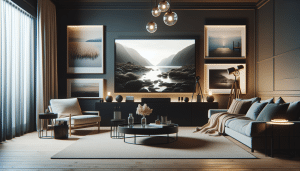
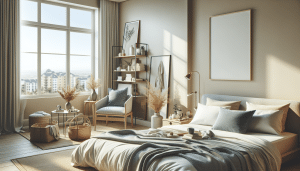
Design plays an essential role in minimalist lifestyles. Minimalist home design emphasizes clean lines, purposeful décor, and multifunctional spaces. Natural light, neutral tones, and strategic storage all contribute to a calm, uncluttered atmosphere. The goal is not to remove personality but to spotlight cherished items and create breathing space. A minimalist approach also translates to energy efficiency and reduced maintenance, making homes more comfortable and cost-effective over time.
Curating a minimalist wardrobe, or capsule closet, is another step toward simplified living. Rather than amassing trends, minimalists select versatile, high-quality pieces that complement one another. This approach saves time in daily dressing and reduces decision fatigue. Sustainable fabrics, timeless silhouettes, and conscious consumption become central themes. Wardrobe minimalism is especially popular among urban dwellers seeking space efficiency and those interested in ethical fashion movements.
In minimalist home and wardrobe design, small changes can lead to profound outcomes. Storage solutions—such as hidden compartments or modular furniture—add functionality without visual clutter. Personalization happens through texture, art, or sentimental keepsakes, rather than accumulating objects. As people embrace these design principles, they report not only aesthetic satisfaction but also deeper comfort and connection in their personal environment. Minimalism invites ongoing creativity and adaptation, making each home and closet uniquely expressive.
Minimalist Approaches to Entertainment and Leisure
Minimalism extends beyond physical belongings to influence how people spend time and find enjoyment. Instead of over-scheduling or pursuing endless activities, minimalist living encourages mindful, slow leisure. This can look like spending quality time with loved ones, exploring nature, or immersing in creative projects. Many choose hobbies that bring deep satisfaction or personal growth, rather than those driven by trends or societal expectations. Minimalist entertainment also includes unplugging from screens and rediscovering analog pleasures—reading, gardening, or cooking.
Minimalist leisure aligns with well-being research showing that meaningful connections and purposeful activities foster happiness. Popular minimalist practices involve setting boundaries on digital media, choosing fewer—but more intentional—social engagements, and investing time in skill-building. Instead of chasing novelty, minimalists savor routine and ritual. This slower approach to entertainment opens opportunities for introspection, gratitude, and deeper fulfillment, proving that less can truly be more.
Minimalism in leisure is not restrictive. It offers freedom to prioritize passions, restore work-life balance, and challenge norms around consumption-driven fun. From hosting intimate gatherings to enjoying solo exploration, minimalist leisure is highly individualized. As people experiment with less, many discover new sources of joy and wonder that were previously crowded out by noise or distraction. The minimalist lifestyle, embraced in entertainment, becomes a source of resilience and creativity for all ages.
References
1. Chayka, K. (2020). The Long History of Minimalism. Retrieved from https://www.newyorker.com/culture/cultural-comment/the-long-history-of-minimalism
2. American Psychological Association. (2021). The mental health benefits of decluttering. Retrieved from https://www.apa.org/topics/wellness/stress-decluttering
3. Kondo, M. (2022). How to Start Decluttering. KonMari. Retrieved from https://konmari.com/how-to-start-decluttering/
4. McAlister, A., & Roberts, L. (2021). Minimalism and Consumer Well-Being. International Journal of Environmental Research and Public Health, 18(9), 1-17. Retrieved from https://www.ncbi.nlm.nih.gov/pmc/articles/PMC8126100/
5. The Minimalists. (2023). How to Start Minimalism. Retrieved from https://www.theminimalists.com/start/
6. Harvard Health Publishing. (2020). Clutter, stress, and your health. Retrieved from https://www.health.harvard.edu/mind-and-mood/clutter-stress-and-your-health

 Simple Living Habits You Haven’t Tried Yet