Why Minimalist Living Spaces Can Change How You Feel
Camila Torres September 25, 2025
Ever wondered why minimalist living spaces are trending? This guide uncovers how simplicity in home design supports clarity, comfort, and mental well-being. Explore the secrets behind decluttered environments and why so many choose this lifestyle for a truly refreshing way to live.
The Rise of Minimalist Home Design
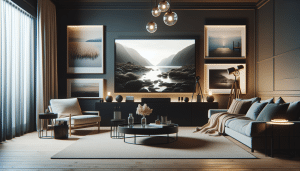
Minimalist living spaces are gaining huge popularity in today’s interior design world. People are drawn to the calm, organized look of rooms with fewer items and clean lines. This trend isn’t just about style—it’s about cultivating peace at home. For many, the appeal lies in escaping visual clutter and making everyday living more functional. Minimalism encourages homeowners to choose items carefully, ensuring each piece serves a purpose or sparks genuine joy. This method proves especially attractive in urban environments where maximizing space is essential. For many city dwellers, the minimalist approach means less stress and more focus on what truly matters—comfort, clarity, and flexibility in their space.
One of the key factors behind the rising popularity of minimalist design is its impact on stress reduction. According to various design psychology studies, cluttered spaces can heighten anxiety and make it harder to relax. Minimalist interiors, on the other hand, are structured to foster tranquility. This simplicity allows individuals to recharge after long, busy days. It also reduces the amount of time spent on cleaning and maintaining living areas. By adopting this home trend, people find more mental space to enjoy hobbies, spend time with loved ones, or simply unwind. Experts often cite the role of minimalist living spaces in contributing to improved well-being and mindfulness at home (Source: https://www.apa.org/topics/mental-health/cleaning).
Minimalism doesn’t require sacrificing warmth or personality. Instead, it asks for thoughtful curation. Statement pieces, natural textures, and soft lighting become highlights instead of being lost in visual noise. Open-plan layouts, hidden storage, and multi-functional furniture also define this aesthetic. These features enable people to adapt rooms for different activities—working, socializing, or relaxing—without overwhelming the space. Ultimately, the minimalist design focuses less on acquiring more and more on enhancing the everyday experience. It is not surprising that the global conversation about mindful consumption and sustainability aligns neatly with this movement. It’s more than a look; it’s a way of living that places well-being at the center.
Benefits of Decluttering Your Home
Decluttering has become a buzzword for good reason. Research shows that physical clutter can contribute to a cluttered mind, influencing sleep, productivity, and even relationships. Many people notice that by removing excess items—unworn clothing, old gadgets, or unnecessary décor—they instantly feel lighter and more energetic. A streamlined environment allows for easier cleaning, better organization, and reduced distractions. This foundation makes minimalist living spaces not only attractive but also highly practical.
Interestingly, the act of decluttering is often seen as a form of self-care. Sorting, donating, or recycling unused items helps individuals take control of their environment and reduce decision fatigue. Studies cited by leading mental health organizations highlight the correlations between tidy spaces and reduced levels of cortisol, the primary stress hormone. For families, decluttering can also teach children healthy habits and the value of intentional living over constant consumption (Source: https://www.nemours.org/services/health/growup/declutter.html).
Some minimalist advocates recommend starting small—tackling just one drawer or shelf at a time to avoid feeling overwhelmed. The steady progress fosters motivation and allows people to see real results in their daily routines. As spaces become clearer, many individuals find it easier to develop routines for cleaning and staying organized. The positive feedback loop between environment and mindset supports ongoing well-being. In this way, decluttering doesn’t just create physical space—it’s a gateway to reduced stress and greater personal satisfaction.
Creating a Calming Atmosphere Through Simplicity
Minimalist living spaces go beyond looking tidy; they actively nurture a sense of peace. Designers suggest that carefully chosen color palettes, such as soft neutrals or gentle earth tones, play a key role in setting a calming mood. Natural light is another important factor, as open window treatments and well-placed mirrors help make smaller rooms feel spacious and welcoming. The result is an environment that encourages relaxation and supports both mental and physical health. Removing unnecessary visual stimuli allows the mind to settle. Simply put, less mess often equals less stress (Source: https://www.health.harvard.edu/blog/clear-clutter-clear-mind-2019013115648).
Textiles and textures add warmth without overwhelming the senses. Soft rugs, cozy throws, and tactile cushions contribute to a welcoming ambiance. The key is intentionality; each addition is carefully considered for both beauty and utility. Many people also incorporate plants or fresh flowers to bring in natural life, contributing to better indoor air quality and an uplifting visual effect. By centering design choices around simplicity and comfort, minimalist living spaces create a safe haven away from daily chaos.
Sound also plays a subtle but important role in creating a peaceful home. Soft background music, the hum of a fan, or the gentle trickle of a tabletop fountain can all enhance the sense of calm. People often find that with fewer distractions, they become more attuned to these soothing elements. Minimalist spaces support mindfulness, making it easier to focus on present-moment experiences—whether reading, meditating, or sharing a meal with friends.
Intentional Living and Mindful Consumption
Minimalist interiors encourage a broader lifestyle shift toward intentional living and mindful consumption. Instead of accumulating endless home décor or unnecessary gadgets, people pause to ask: Does this bring value? Is this item necessary, or does it distract from my goals? This practice often results in significant savings and a stronger sense of gratitude for what is already at hand. It also challenges the prevailing culture of excess and instant gratification, inviting individuals to form a deeper connection with their surroundings (Source: https://www.psychologytoday.com/us/blog/minimalist-with-a-life/201612/the-psychology-living-simple-life).
Minimalist living doesn’t oppose creativity; in fact, it can inspire it. By focusing on fewer belongings, people often gain clarity on their personal style and preferences. Designing a minimalist space involves problem-solving and creativity—finding storage solutions that reduce clutter or repurposing possessions to fit a new need. Some enthusiasts even use minimalist principles as inspiration for other areas of life, like planning vacations, arranging wardrobes, or streamlining daily schedules.
This approach is also eco-friendly. Fewer items mean reduced waste and a lower carbon footprint from purchasing, shipping, and disposing of home goods. Minimalistauthority online resources affirm the positive impact of this movement on sustainability and community well-being. Many also donate unused possessions, supporting local charities and reducing environmental impact. Ultimately, minimalist living proves that a focus on quality over quantity can bring lasting satisfaction—at home and beyond.
How to Start Transforming Your Own Space
Transforming a home into a minimalist sanctuary doesn’t mean giving up everything. The process starts with honest reflection: What spaces feel stressful? Which possessions are used regularly, and which are simply taking up space? Decluttering is best approached in stages, allowing time for adjustment. Many guides recommend categorizing items by use and sentiment, then letting go of duplicates or things that no longer align with daily life. Embracing this method step-by-step can make the change manageable and even enjoyable (Source: https://www.housebeautiful.com/room-decorating/living-family-rooms/a2300/minimalist-living-room-ideas/).
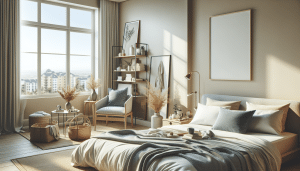
Furniture solutions play a large role in minimalist home transformations. Investing in modular seating, hidden storage units, or collapsible dining tables enables people to adapt rooms for multiple purposes without accumulating extra clutter. For those with limited space, wall shelves and angled lighting can make compact apartments appear airy and open. The focus is not on a specific brand or design, but rather on practical choices that suit real needs. Smaller spaces often benefit the most from these thoughtful touches, showcasing how less can truly be more.
Maintaining a minimalist space is an ongoing process. Setting weekly routines to reassess items, clean surfaces, and reorganize as needed helps prevent clutter from reappearing. Families can make maintenance fun by turning tidy-up sessions into games or teaching children the value of caring for shared areas. Over time, the home becomes a reflection of deliberate decisions—filled with only what supports comfort, creativity, and meaningful living. This practicing mindset makes minimalist living spaces sustainable and enjoyable long-term.
Minimalism as a Lifestyle Beyond Design
Minimalism doesn’t have to stop at home décor. Many people find that embracing minimalist values—clarity, simplicity, and purposeful living—positively influences other facets of life. For example, some choose to simplify their digital routines, such as organizing files or reducing social media use, leading to less overwhelm. Others become more intentional about how they spend time, pursuing hobbies that enrich life, building deeper relationships, or spending more moments in nature. These traitscan enhance happiness and contentment overall (Source: https://www.nytimes.com/guides/style/how-to-live-with-less).
Adopting minimalist principles can also mean rethinking daily routines. Some opt to streamline their wardrobes, practice mindful eating, or cut back on unnecessary commitments. The simplicity gained provides extra resources—time, energy, and sometimes money—that can instead support experiences, travel, or health. Minimalist living often leads to more meaningful connections and a greater sense of freedom, as attachment to material possessions lessens.
Minimalism is ultimately about making room for what matters most. Whether starting with a single corner of a room or adopting a whole-home approach, the steps taken toward simplicity add up over time. Each choice—what to keep, what to let go—shapes an environment and a lifestyle aligned with inner values. For those curious about minimalist living spaces, the journey promises both practical and deeply personal rewards.
References
1. American Psychological Association. (n.d.). How decluttering influences mental health. Retrieved from https://www.apa.org/topics/mental-health/cleaning
2. Nemours KidsHealth. (n.d.). Declutter Your Space, Declutter Your Mind. Retrieved from https://www.nemours.org/services/health/growup/declutter.html
3. Harvard Health Publishing. (2019). Clear clutter, clear mind. Retrieved from https://www.health.harvard.edu/blog/clear-clutter-clear-mind-2019013115648
4. Psychology Today. (2016). The psychology of living a simple life. Retrieved from https://www.psychologytoday.com/us/blog/minimalist-with-a-life/201612/the-psychology-living-simple-life
5. House Beautiful. (n.d.). Minimalist living room ideas for a clutter-free home. Retrieved from https://www.housebeautiful.com/room-decorating/living-family-rooms/a2300/minimalist-living-room-ideas/
6. The New York Times. (n.d.). How to live with less. Retrieved from https://www.nytimes.com/guides/style/how-to-live-with-less

 Home Organization Secrets You Haven’t Tried Yet