Why Minimalist Living Could Transform Your Space
Camila Torres September 26, 2025
Minimalist living isn’t just about decluttering. It’s a lifestyle shift that can help many people find more meaning, calm, and inspiration in their homes. Learn how simplifying your environment can boost well-being and what steps others take to embrace minimalist lifestyles.
What Motivates People to Embrace Minimalism?
Minimalist living has gained attention in recent years across social media and lifestyle trends. The core principle is simple: living with less can mean living with more intention. Many people turn to minimalism seeking clarity and a break from the overwhelm that a cluttered home or a packed schedule can bring. This philosophy often appeals to those interested in sustainable living, as it encourages careful consumption and eco-friendly habits. Minimalist design in interiors, emphasizing neutral tones and functional furnishings, has become remarkably popular. It creates spaces that feel peaceful—reflecting a growing desire for homes that promote relaxation, health, and mindfulness. Those moving toward minimalism often report that the process deepens their appreciation for the items they keep and the memories or stories attached to them.
The appeal of minimalist living extends beyond aesthetics. For many, it’s a way to manage stress. Cluttered environments have been linked to increased levels of cortisol, the stress hormone, while organized, serene spaces can help lower anxiety. Minimalist homes eliminate distractions, making it easier for people to focus on meaningful activities or relationships. Even in entertainment—such as minimalist music or digital design—simplicity is seen as a path to creativity. With fewer distractions, the mind can rest, and inspiration may flow more freely. The popularity of documentaries, books, and workshops about minimalist living suggests the movement is about much more than just organizing your closet.
Choosing minimalism is often about aligning your living space with your core values. For some, that means creating a sanctuary for relaxation, while for others, it involves prioritizing quality over quantity when it comes to possessions. People report that when their living environment is streamlined, they feel more in control, less burdened by choices, and more present in their daily lives. This alignment of living space with personal values reflects the rising interest in intentional living, which encourages individuals to make conscious decisions that resonate with their goals and lifestyles. It’s a trend fueled by a desire for authenticity and personal empowerment in a world filled with constant stimulation.
How Decluttering Methods Shape Minimalist Lifestyles
Decluttering is often the first—and sometimes most daunting—step toward minimalist living. There are various approaches to downsizing possessions, and it can be highly individual. The KonMari method asks individuals to evaluate whether items “spark joy,” while other techniques involve categorizing items by utility or frequency of use. Regardless of the method, the key is to establish a thoughtful decision process for what stays and what goes. People who have completed these methods commonly describe a sense of relief and newfound appreciation for the things they choose to keep in their homes. This shift in mindset transforms decluttering from a chore to a conscious re-shaping of one’s living environment.
The psychological benefits of decluttering go beyond tidy shelves. Many find that letting go of items reduces mental clutter and emotional baggage. A study from Princeton University Neuroscience Institute found that individuals working in organized spaces were more focused and productive compared to those surrounded by excess. For some, decluttering can even result in improved sleep and stronger social connections—when the home becomes a more welcoming, peaceful place to gather. Minimalist living thus becomes a foundation for overall wellness, supporting both mental clarity and emotional balance.
Many people are surprised at how decluttering influences habits outside the home. Those who intentionally reduce their belongings often notice changes in their purchasing behavior—they buy less, choose quality over quantity, and value experiences over things. This ripple effect encourages a more sustainable lifestyle and aligns closely with efforts to reduce waste or participate in local sharing economies. Such behavioral shifts, observed around the world, are not only individual victories but also contribute to broader sustainability movements.
Designing Minimalist Interiors for Well-Being
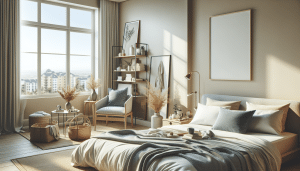
Minimalist design in interiors prioritizes function, flow, and comfort. The approach often uses neutral or soft color palettes, clean lines, and a few carefully chosen accents. Living spaces are designed to be open and airy, with an emphasis on natural light and calming aesthetics. People looking to redesign their homes with minimalism in mind often start by assessing furniture layouts for optimal space and ease of movement. Fewer furnishings and décor don’t just make spaces feel bigger—they add a sense of order that promotes relaxation and concentration.
Plants often play a critical role in minimalist design. They add a sense of tranquility, help purify indoor air, and introduce a touch of color without overwhelming a room’s simplicity. Art is selected with care, often placed singularly for maximum emotional impact. Lighting—both natural and artificial—is used to highlight the architectural features of the home. Studies from organizations like the Environmental Protection Agency emphasize the health benefits of improving indoor air quality and reducing dust by minimizing clutter. Such design principles are widely supported across wellness and home-improvement communities.
Many who adopt minimalist interiors report improvements in their daily routines. It’s simpler to clean, easier to organize, and less stressful to navigate daily chores. Some also find that minimalist homes encourage new lifestyle habits, such as mindful morning rituals or quiet evenings without digital distractions. The focus on environmental psychology continues to grow in interior design, reflecting the connection between surroundings and quality of life. For those interested in well-being, the minimalist trend offers a solid foundation for self-care and calm living spaces.
Integrating Sustainability and Minimalism
Sustainability is a driving force in many minimalist lifestyles. Minimalist living often leads people to reconsider how much they consume, focusing on eco-friendly choices and supporting ethical brands when new purchases are required. The relationship between environmental consciousness and minimalism is natural—less consumption means less waste and resource use. Many find that reducing their carbon footprint becomes easier when they purchase intentionally and seek out second-hand or upcycled goods.
For those interested in taking sustainability further, minimalism encourages practices like composting, recycling, repurposing items, or joining local swap groups. Educational resources frequently suggest small but significant lifestyle changes, such as using reusable bags or investing in long-lasting products. Community initiatives, like repair cafés or lending libraries, have also become popular ways to support minimalist and sustainable habits. These collective efforts amplify the individual benefits of a minimalist lifestyle by fostering community and environmental stewardship.
The intersection of minimalism and sustainability is building new cultural norms around consumption. People who make these changes often experience not just a tidier home but also a new sense of responsibility—toward the planet and future generations. This evolving mindset has been explored by leading environment organizations, emphasizing that simplicity in living can create positive change on a global scale. Minimalism as a lifestyle sometimes inspires others to begin their journey simply by witnessing these benefits unfold in the lives of friends or family.
Challenges and Rewards of Minimalist Living
Despite its benefits, transitioning to a minimalist lifestyle can present challenges. Letting go of sentimental items, breaking shopping habits, or resisting societal pressures to accumulate can be difficult. People sometimes experience moments of uncertainty or discomfort, particularly early in the process. Resources such as support groups, minimalist communities, and online forums can be essential for encouragement and accountability. These groups help individuals navigate emotional roadblocks and celebrate milestones together.
Many people discover unexpected rewards as they adapt to minimalist living. A report by the American Psychological Association identified links between mindful consumption and increased life satisfaction. Respondents noted feeling more grateful for what they had and better able to manage finances. Minimalist living can also support healthier routines and make it easier to focus on relationships, hobbies, or personal development. With less time spent managing possessions, new opportunities for leisure and creativity often emerge.
The path toward minimalism may include setbacks, but those who stick with it often find the results to be enduring. Over time, the lifestyle becomes second nature, no longer requiring constant effort or conscious restraint. Friends or family members may notice positive shifts, and some individuals become role models for simplicity and balance. This personal growth illustrates why minimalism remains an enduring trend, empowering people to live according to their values and genuinely enjoy the spaces they call home.
Digital Minimalism: Mindful Tech Habits
Minimalism now influences how people engage with technology. Digital minimalism focuses on intentional online choices and reducing digital distractions. This includes decluttering devices, organizing photos, managing notifications, and setting boundaries for social media use. Many find that having fewer digital inputs helps them feel less overwhelmed, boosting mental clarity and allowing more time for meaningful offline activities. Digital decluttering is often the first step for those blending minimalist living with mindful use of technology.
Leading digital wellness advocates encourage techniques such as scheduled tech-free times, unsubscribing from newsletters, and deleting unused apps. Research from institutions like Harvard University links excessive screen time to sleep disturbances and stress, while mindful tech routines promote relaxation and productivity. People who adopt digital minimalism often report a greater sense of freedom and improved emotional health, as well as more fulfilling connections in their real-world relationships.
Digital minimalism is particularly relevant in modern entertainment and lifestyle, where streaming, constant notifications, and social feeds compete for attention. Adopting minimalist digital habits can support creativity, provide mental space for inspiration, and reduce the risk of burnout. For many, digital minimalism becomes part of a holistic approach to living fully, echoing the benefits found in physical minimalist living but applied to the vast virtual landscapes that now shape daily life.
References
1. Chae, D. (2020). Minimalism: Living with Less for Sustained Well-Being. Retrieved from https://www.apa.org/monitor/2020/05/minimalism
2. Environmental Protection Agency. (n.d.). Indoor Air Quality and Your Home. Retrieved from https://www.epa.gov/indoor-air-quality-iaq/guide-indoor-air-quality-your-home
3. Princeton University Neuroscience Institute. (2011). Interactions of Top-Down and Bottom-Up Mechanisms in Human Visual Cortex. Retrieved from https://www.ncbi.nlm.nih.gov/pmc/articles/PMC3020110/
4. Harvard Health Publishing. (n.d.). Digital Minimalism for Mental Health. Retrieved from https://www.health.harvard.edu/blog/adopting-digital-minimalism-for-better-mental-health-2021052622561
5. The Minimalists. (n.d.). Minimalism: A Documentary About the Important Things. Retrieved from https://www.theminimalists.com/about/
6. United States Environmental Protection Agency. (2023). Reduce, Reuse, Recycle. Retrieved from https://www.epa.gov/recycle

 Gardening Ideas That Encourage Biodiversity