Why Cozy Minimalism Makes Every Home Feel Inviting
Camila Torres September 25, 2025
Curious about how to blend warmth and simplicity in your living space? Discover how cozy minimalism can transform interiors into restful, clutter-free retreats that still feel uniquely personal. This guide breaks down practical steps, smart design tips, and real-life inspiration for a lifestyle where less truly feels luxurious.
Understanding Cozy Minimalism and Its Growing Appeal
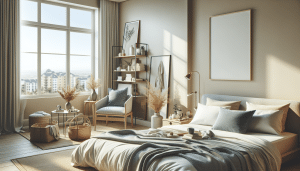
Cozy minimalism is quickly capturing the attention of design lovers who crave a calm, welcoming atmosphere without unnecessary clutter. At its core, this style combines the clean lines and functionality of minimalism with cozy textures, soft furnishings, and personal touches. The result? A space that feels light, breathable, and inviting—never cold or sparse. Integrating cozy minimalism into your lifestyle means stripping away the excess while layering warmth and intention into your home. This blend appeals to those juggling busy schedules, promoting simplicity and peace for daily living.
Many people are drawn to this trend because traditional minimalism sometimes feels too severe or impersonal. Cozy minimalism reimagines the concept, adding softness and emphasizing comfort while maintaining a streamlined look. By focusing on what truly matters—like favorite blankets, cherished art, or the glow of a lamp—the style ensures every item serves both function and feeling. Adopting these principles helps create an environment where you can unwind and recharge, making it easier to leave behind the chaos of the outside world when at home.
Community interest in cozy minimalism has spiked on platforms like Pinterest and Instagram. Influencers and interior designers frequently showcase serene bedrooms, open living rooms with neutral color palettes, and beautifully organized spaces that still feel lived-in. This rising popularity reflects a broader lifestyle shift toward mindful living and conscious consumption. People are seeking ways to make their homes work for them—spaces that support well-being, creativity, and relaxation. Cozy minimalism delivers all these benefits through thoughtful curation and subtle design elements.
Key Principles for Creating a Cozy Minimalist Home
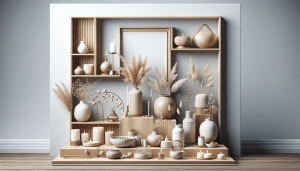
Building a cozy minimalist home begins with decluttering. Focus on keeping only what you love or need. Each piece should have a clear purpose—whether it’s practical, comforting, or deeply meaningful. Instead of hiding everything, display a handful of beautiful or sentimental items. Open shelving with curated décor, functional storage benches, and multi-use furniture are all favorites in cozy minimalist design. The result is a peaceful, accessible space that never feels bare or impersonal.
Soft textures and layered lighting make a significant difference in achieving this balanced look. Consider chunky knit throws, plush area rugs, or linen drapes. These elements add tactile warmth while enhancing visual interest. Proper lighting—ranging from bright overheads to gentle table lamps and flickering candles—helps blur harsh lines and invites relaxation. Emphasizing a blend of natural and artificial sources is vital, as changing light throughout the day influences mood and comfort levels at home.
Color palette selection sets the tone for cozy minimalism. Neutral colors such as whites, grays, beiges, or earth tones create a soothing backdrop. A pop of greenery or a statement piece in an accent hue can infuse energy and personality without overwhelming the space. The practice is simple but powerful: less is more, and each chosen detail reinforces warmth, intention, and tranquility. Those adopting this style often notice less cleaning stress and more enjoyment in everyday routines.
How to Transition Your Space Without Feeling Overwhelmed
Shifting toward cozy minimalism doesn’t require an all-or-nothing approach. Start with small changes—clear a coffee table, remove unused décor, or replace harsh lighting with something softer. Many find it helpful to tackle one area at a time, such as the entryway, bedroom, or kitchen. Sorting and donating excess items can be a liberating process. Remember, each adjustment should bring joy, not pressure. This mindset shift makes the journey feel rewarding rather than burdensome.
Some struggle with letting go of cherished belongings. Cozy minimalism doesn’t mean sacrificing sentiment; rather, it’s about selectively celebrating those items. Displaying family photos with simple frames or choosing a treasured quilt for the sofa invites fond memories without encroaching on space. Finding balance can mean one-in, one-out rules for new purchases, or designating designated spots for collections or hobbies. Over time, these habits support a sustainable, clutter-free home environment that still honors personal history.
For renters or those on a budget, cozy minimalism is especially approachable. Rearranging furniture, swapping out pillows, or introducing a calm color scheme requires minimal investment. Even temporary solutions—like peel-and-stick wallpaper or removable hooks—can deliver an instant update. Inspiration from online communities and design blogs often highlights budget-friendly solutions and upcycling. These incremental changes reinforce the notion that cozy minimalism is accessible to anyone, regardless of living situation or financial resources.
The Wellness Benefits of Embracing Cozy Minimalism
Many supporters of cozy minimalism report a profound sense of calm after curating their spaces. Clutter has been linked to increased anxiety and reduced focus, while streamlined environments promote clarity and relaxation. The presence of soft textures, plants, and cozy reading nooks encourages mindfulness and slow living. A home that feels orderly and nurturing makes winding down after a long day much easier. Cozy minimalism isn’t just a design choice—it’s self-care in action (Source: https://www.health.harvard.edu/mind-and-mood/mindful-cleaning).
Environmental psychology studies suggest that colors, textures, and room organization affect well-being. Neutral colors can lower stress, while thoughtful layouts support daily habits like exercise, cooking, and sleep. The inclusion of natural elements—wood, stone, plants—grounds us in a sense of place and comfort. By making intentional choices, people often find their homes are easier to maintain, with cleaning chores taking less time. These small daily gains add up to a more balanced, enjoyable lifestyle overall.
Mental health professionals recognize the value of a soothing home environment, especially when remote work and digital overload are common. Cozy minimalist spaces can serve as sanctuaries for focus and downtime. Features like dedicated reading corners or meditation spaces—free from distraction—are popular among enthusiasts. The collective impact on mood, energy, and family dynamics cannot be overstated. For many, embodying cozy minimalism brings a sense of alignment between their values, routines, and physical space (Source: https://www.apa.org/monitor/2020/04/cover-organized-mind).
Decorating Tips: Simple Ways to Add Warmth Without Clutter
There are endless creative ways to express cozy minimalism while keeping your space open and breathable. Choose multipurpose furniture like ottomans with storage, nesting tables, or a bed with built-in drawers to maximize functionality. Opt for décor that invites touch and comfort: velvet cushions, soft knits, or textured ceramics. Personalize with restraint—perhaps a single favorite painting or a carefully placed houseplant instead of wall-to-wall art or shelves packed with knickknacks.
Layering is another core strategy. Start with a neutral foundation—plain walls, simple sofas—then gradually add tactile elements. Mixing different materials (wood, cotton, wool) creates subtle visual interest without crowding the room. Rugs, curtains, and throw blankets can be swapped seasonally for fresh energy. Leaning into nature-inspired touches, such as dried flowers or stones, infuses earthiness and warmth. Shop mindfully, prioritizing quality and meaning over sheer quantity or passing trends.
Scent and sound can also accentuate a cozy atmosphere. Beeswax candles, essential oils, or naturally scented cleaners add subtle fragrance, while playlists or sound machines foster calm and relaxation. Focus on the little rituals that make home feel sacred: morning coffee at a sunlit window, evening journaling in a favorite chair. With cozy minimalism, the goal is to reinforce comfort at every turn—reminding yourself that your home should be your softest place to land at all times.
Finding Inspiration and Making the Style Your Own
Everyone’s definition of cozy minimalism will differ depending on personality, climate, and lifestyle needs. Social media holds a wealth of ideas—look for hashtags and accounts that focus on small homes, Scandinavian décor, or wellness retreats. Mood boards are popular tools for clarifying preferences before redecorating. Draw inspiration from travel, architecture, or even your favorite books and films. Creating a unique mix ensures that your space never feels like a copycat trend, but a reflection of your own journey and memories.
Many people share their cozy minimalist transformations on blogs and forums, offering honest insights about what works and what doesn’t. Room makeovers, before-and-after galleries, and organization challenges foster a supportive learning environment where experimentation is encouraged. Mistakes are part of the process; the key is to remain flexible and aware of your real needs. Over time, personal style develops—anchored in simplicity but brimming with nuance and warmth.
Even professional designers agree that the coziest spaces include evidence of daily life—books in use, a favorite mug on the table, worn-in textiles that tell a story. When exploring cozy minimalism, focus less on magazine perfection and more on cultivating ease. Trust your instincts and let your home evolve. If something doesn’t serve you, it’s okay to let it go. What remains will be the things, habits, and memories most dear to you.
References
1. Harvard Health Publishing. (n.d.). Mindful cleaning: A path to peace. Retrieved from https://www.health.harvard.edu/mind-and-mood/mindful-cleaning
2. American Psychological Association. (2020). Organized mind, organized life: Decluttering for mental health. Retrieved from https://www.apa.org/monitor/2020/04/cover-organized-mind
3. Mayo Clinic Staff. (n.d.). Stress management: Know your triggers. Retrieved from https://www.mayoclinic.org/healthy-lifestyle/stress-management/in-depth/stress/art-20046037
4. The Spruce. (n.d.). Cozy minimalism: Create a warm minimalist home you love. Retrieved from https://www.thespruce.com/cozy-minimalism-design-tips-5183551
5. National Institute of Mental Health. (n.d.). Caring for your mental health. Retrieved from https://www.nimh.nih.gov/health/topics/caring-for-your-mental-health
6. Psychology Today. (n.d.). Minimalism and mental health. Retrieved from https://www.psychologytoday.com/us/basics/minimalism

 Unlocking Home Equity Options That May Surprise You