Tiny Living Secrets You Will Want to Try
Camila Torres September 25, 2025
Discover how tiny living transforms daily routines and sparks creative freedom. Explore practical tips, design inspiration, and unexpected benefits that make minimalist homes more than just a trend. This guide uncovers lifestyle shifts and organization ideas that keep small spaces functional, inviting, and unique.
Why Tiny Living Is Capturing Attention
Minimalism and tiny living aren’t just style choices—they’re a movement. People worldwide recognize that downsizing brings freedom, flexibility, and less stress. Smaller living spaces require less cleaning, reduce housing expenses, and encourage mindful purchasing. Those who embrace compact homes often find more time for hobbies, family, and adventure. Prioritizing quality over quantity, tiny home dwellers learn to value experiences instead of material things—which can feel surprisingly liberating. This shift is shaking up ideas about comfort, luxury, and personal fulfillment.
The appeal goes far beyond saving money. Living small means rethinking what truly matters. Research shows that reduced clutter can improve mood and even lower anxiety levels. The shift to minimalist living connects closely with sustainability values, allowing residents to lower consumption and reduce their ecological footprint. Urban areas note the growing popularity of micro-apartments, flexible furniture, and creative room dividers that transform how people experience home. The trend highlights the beauty of simplicity.
Many who try the tiny home lifestyle are surprised by its community aspects. Designs often foster neighbor interaction—think shared gardens or communal kitchens in micro-villages. This supportive environment is especially appealing in busy cities, where traditional homes can feel isolating. Shared resources and public spaces contribute to the sense of belonging. Whether on wheels or in a downtown loft, tiny living is as much about relationships as real estate. Learn how these features open up new social possibilities.
Design Magic: Transforming Small Spaces into Smart Homes
Making the most out of every inch is where tiny living truly shines. Interior designers specialize in answers tailored for small spaces—think fold-down desks, convertible sofas, and hidden storage nooks. These clever products serve double or triple duty, maximizing functionality while keeping rooms uncluttered. Inspiration comes from boat cabins and mobile homes, where built-in furniture and compact appliances are the norm. Small space design encourages flexible zones that blend work, play, and relaxation seamlessly.
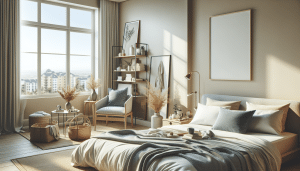
Lighting can make or break a cozy small home. Bright, natural light visually opens up spaces, so large windows and glass doors are often prioritized. Strategic use of mirrors, light-colored paint, and minimalist decor all help rooms feel bigger and brighter. Smart upgrades, such as energy-efficient bulbs and automated shades, enhance comfort without taking up precious room. Modular shelving and movable partitions allow for customization—adjusting layouts in minutes for different needs or moods.
Outside the home, tiny living inspires creative outdoor solutions. Rooftop gardens, compact patios, and vertical planters maximize every square foot. Many tiny dwellers add multi-purpose decks or balconies that extend their living areas. Smart-home technology brings automation and remote controls to small-scale environments, making management both fun and efficient. Even laundry and utility spaces adopt foldaway solutions or all-in-one appliances. Tiny doesn’t mean compromising on style or convenience—instead, it’s an invitation to innovate.
Decluttering and Organization Strategies That Actually Work
Effective organization is the backbone of happy tiny living. Start by regularly asking: Does this item serve a clear purpose or bring real joy? Sorting belongings into keep, donate, or recycle streams reduces decision fatigue and overlaps with sustainability goals. Hooks, under-bed drawers, and vertical racks make everyday items easy to access but out of the way. Keeping surfaces clear—except for a favorite plant or picture—helps rooms look open and calm. Simplicity doesn’t mean sparse, just intentional.
Digital organization matters as much as physical order. Going paperless, labeling cords, and minimizing duplicate tech items help avoid hidden clutter that can creep into any size home. Some families create shared calendars and chore charts that live on smart devices, keeping tasks on track and freeing up space from paper planners or sticky notes. Storage containers that stack, nest, or fold away allow for flexible reorganization as needs change. The best solutions combine beauty with daily practicality.
Adopting a mindful approach to new purchases ensures small homes remain peaceful. Before bringing anything home, residents often ask: Where will this live? Will I use it enough to justify the space? This mindset keeps unnecessary impulse buys from creeping in. Many tiny living enthusiasts recommend annual or seasonal purges, turning organization into a lifestyle habit. Instead of chasing perfection, focus on solutions that evolve over time with changing routines or new hobbies.
Tiny Living Myths and Surprising Realities
Common myths claim tiny living means sacrificing comfort, privacy, or lifestyle preferences. Reality tells a different story. Creative layouts, multifunctional partitions, and acoustic barriers help families carve out zones for relaxing, working, and sleeping. Some small homes are equipped with all the comforts of larger counterparts: full kitchens, inviting bathrooms, even entertainment centers. Downscaling often means learning to make the most of what’s truly important—and finding pleasure in the freedom this brings.
Another misconception? Maintenance must be constant in smaller spaces. In fact, cleaning and repairs are often far simpler and faster. With fewer surfaces to dust or floors to mop, many tiny home residents gain hours back each week. Maintenance becomes about care, not chores. Seasonal deep cleans and occasional touch-ups replace daily overwhelm. Home maintenance also gets a sustainability boost, as tiny homes generally consume fewer resources for heating, cooling, and repairs.
Some believe tiny homes are only for singles or couples, but families—sometimes even with pets—find creative solutions. Lofts, convertible beds, movable walls, and shared outdoor amenities make these residences flexible for all ages. Children often enjoy the cozy, interactive design, and pets adapt quickly to creative layouts and outdoor enrichment. Tiny living becomes a canvas for personal expression rather than a limit. The heart of the movement is adaptability—not compromise.
Wellness Benefits: How Small Spaces Support a Big Life
A well-organized, clutter-free environment is proven to have positive effects on mental health. Small homes invite fresh air, natural light, and intentional routines. Prioritizing essentials naturally supports more time for reading, hobbies, and meaningful connections. People report less stress, greater clarity, and more energy when home spaces feel manageable. Wellness programs often encourage similar strategies—daily tidying, meaningful displays, and mindful consumption—to boost happiness and focus.
The financial benefits of tiny living often extend to improved well-being. Lower utility bills, reduced rent or mortgage costs, and fewer purchases can make room for savings and travel. Many who downsize experience a sense of accomplishment from financial resilience, stability, and reduced debt. This freedom supports new passions—such as fitness, creative projects, or volunteering—that enrich everyday life. Tiny living’s appeal is as much about opportunity as about square footage.
Physical wellness also gets a boost in minimalist homes. With less space to fill, people tend to choose more ergonomic or health-conscious furnishings—standing desks, modular seating, or low-rise beds for stretching. Emphasis on mindful movement encourages routines like yoga in living rooms or workouts in multi-use corners. Sustainable cleaning products and energy-saving appliances reinforce eco-friendly habits, linking wellness with environmental stewardship. The big picture? A small space, thoughtfully designed, can nurture both mind and body.
Starting Your Tiny Living Adventure: Tips and Inspiration
Getting started often means adjusting expectations and goals. Experts recommend analyzing existing routines to see what can be simplified or streamlined. Begin with a single room or function, such as a reading nook or kitchen drawer, to build organizing momentum. Documenting the process with photos or journals can help celebrate small wins—and inspire creative solutions. Many adopt the philosophy: “If it doesn’t fit your dream life, it doesn’t have a place in your dream home.”
Inspiration is everywhere. Online platforms, home tours, and social media groups offer endless examples of cozy interiors, smart storage ideas, and do-it-yourself hacks. The tiny house movement includes a variety of styles, from ultra-modern glass cabins to rustic cottages on wheels. Building a vision board or mood folder can help refine personal style and streamline choices for furniture, colors, and layouts. Remember, the journey is as important as the destination.
Staying motivated is easier with a community. Consider connecting with other tiny living enthusiasts, either locally or online. Many cities now host festivals, workshops, and open houses that showcase clever designs and creative planning. Peer support makes the transition more enjoyable and helps surface unique challenges—and solutions. With each step, embrace flexibility and celebrate the discoveries that come from designing a life sized just right for you.
References
1. American Psychological Association. (n.d.). Declutter Your Life to Reduce Stress. Retrieved from https://www.apa.org/topics/stress/decluttering
2. U.S. Department of Energy. (n.d.). Energy Saver: Small Home Design. Retrieved from https://www.energy.gov/energysaver/design/energy-efficient-home-design/smallhouse
3. National Association of Home Builders. (n.d.). The Rise of Tiny Homes. Retrieved from https://www.nahb.org/news-and-economics/industry-news/press-releases/2022/03/the-rise-of-tiny-homes
4. Environmental Protection Agency. (n.d.). Sustainable Living at Home. Retrieved from https://www.epa.gov/smm/sustainable-management-materials-living-home
5. Harvard Health Publishing. (n.d.). The Health Benefits of Minimalism. Retrieved from https://www.health.harvard.edu/mind-and-mood/the-health-benefits-of-minimalism
6. National Resource Defense Council. (n.d.). Small Spaces, Big Impact: Green Living Solutions. Retrieved from https://www.nrdc.org/stories/small-spaces-big-impact-green-living-solutions

 Surprising Ways Gut Health Impacts You