Secrets Behind Cozy Minimalist Living Rooms
Camila Torres September 27, 2025
Discover how you can create a warm, welcoming, and clutter-free haven with cozy minimalist living room ideas. This guide reveals design strategies, organization tips, and decor inspiration to help transform your space, ensuring both comfort and style while maximizing simplicity.
Understanding Cozy Minimalism in Modern Living
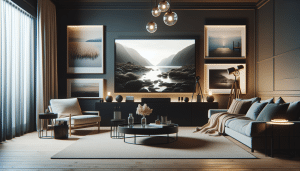
Cozy minimalist living is an approach to home design that marries the comforting warmth of a lived-in room with the clean lines and openness of minimalism. Unlike traditional minimalism—which can sometimes feel stark or cold—this style balances simplicity with sensory comfort. Through careful selection of decor pieces, colors, and textures, it’s possible to achieve a space that feels inviting and purposeful. Practical storage ideas and multi-functional furniture play key roles, creating environments that are as functional as they are beautiful. For many, cozy minimalism means fewer distractions, more quality space, and a daily atmosphere of calm.
Embracing pared-down aesthetics doesn’t mean sacrificing personality or warmth. Instead, it invites a mindful approach to decorating. This style encourages the display of only treasured items or functional accents, allowing meaningful possessions to shine. Soft lighting, plush textiles, and natural materials like wood and wool become focal points that add depth and tactility. When paired with muted or neutral color palettes, the effect is welcoming yet visually peaceful, offering a retreat from life’s external noise. Many are drawn to this approach because it prioritizes emotion and ambiance over excess.
The rise of cozy minimalist living also reflects broader lifestyle shifts. As people seek balance and simplicity in their routines, their living environments evolve to support these goals. Trends in sustainable design often influence this aesthetic, highlighting the value of fewer, better-quality pieces that stand the test of time. Individuals find that intentional design choices, paired with organizational strategies, can promote relaxation, mental clarity, and even productivity at home. Ultimately, cozy minimalism is about creating a sanctuary that embraces less—yet feels like so much more.
Choosing the Right Color Palette and Materials
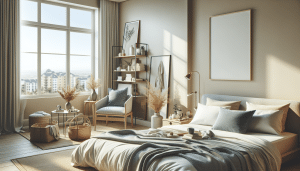
Color schemes play a fundamental role in shaping the atmosphere of a cozy minimalist living room. Neutral hues such as soft grays, warm whites, and gentle beiges become the foundation for a calm, cohesive space. Using a limited palette ensures harmony and magnifies the sense of openness, giving even small rooms a more expansive feel. Incorporating statement accents—think muted blues, sage greens, or terracotta—adds dimension and keeps the room from feeling sterile. These subtle shifts in color also allow natural light to enhance the overall ambiance.
Materials are equally vital for achieving the ideal balance between comfort and restraint. Natural elements like wood, cotton, linen, and wool evoke warmth and organic texture, preventing the space from looking flat. Carefully chosen textiles—such as oversized knitted throws, fabric poufs, or sheepskin rugs—help define specific areas and invite relaxation. Even small decor decisions, like swapping plastic plant pots for handcrafted ceramics or glass, contribute to the layered richness that defines a cozy minimalist interior. These earthly touches anchor the space, grounding it visually and emotionally.
Texture, rather than clutter, creates visual interest in a minimalist setting. Layered fabrics, woven baskets, lightly textured walls, and wooden cabinetry work together to deliver tactile appeal. For those looking to amplify visual comfort, the right mix of finishes and materials—matte with glossy, soft with structured—prevents monotony and infuses personality into simplicity. When all these elements combine, the living room feels harmonious and inviting, embodying both the tranquility of minimalism and the familiar embrace of home.
Functional Furniture Arrangement Strategies
Cozy minimalist living room arrangements focus on optimized space utilization. Instead of overcrowding with multiple pieces, focus shifts to essentials: a comfortable sofa, compact armchairs, or a streamlined coffee table. Modular or multifunctional furniture—like storage ottomans or nesting tables—is often embraced for its dual purpose and tidy appearance. The arrangement should facilitate relaxation, conversation, and movement, avoiding any feeling of confinement. Each item earns its place through usefulness and comfort, not just appearance.
Open layouts and mindful traffic flow are central principles. Arranging seating to face focal points—such as a fireplace, large window, or piece of art—enhances the sense of purpose and spaciousness. Leaving walkways unobstructed not only looks intentional but also makes the living room more accessible. Floating furniture (pieces that don’t sit flush against walls) can visually enlarge a space while providing better function and versatility. These choices increase the “breathing room” many crave in compact urban homes or open-plan apartments.
Furniture selection ties directly into storage solutions. Selecting sideboards, built-in shelves, or media consoles with concealed compartments maintains order and prevents everyday clutter. Portable elements—such as small trolleys or trays—offer additional flexibility for entertaining or quick clean-ups. Adaptable furniture enables residents to reimagine their space according to season or lifestyle needs. When arrangement and selection are deeply considered, functionality and comfort become inseparable, laying the groundwork for a minimalist room that’s genuinely lived-in and welcoming.
Decluttering Methods That Really Work
Decluttering stands at the heart of cozy minimalist living, serving as the gateway to a lighter, more serene home. Starting the process can feel daunting, but breaking tasks into small, focused sessions helps maintain momentum. Begin by evaluating each piece of furniture or decor for its purpose or emotional value. If something hasn’t been used or appreciated in months, it may be time to donate or recycle it. Many find it helpful to tackle one area at a time, such as shelves or side tables, to avoid overwhelm.
Organization strategies are essential for maintaining tidiness while keeping essential items close at hand. Clever storage options—like baskets, bins, or under-sofa containers—ensure everyday items are accessible but not on display. Using floating shelves or wall-mounted hooks maximizes vertical space, freeing up room elsewhere for relaxing or socializing. By establishing a home for everything, residents sidestep the common trap of accumulation. Regularly editing collections—from books to textiles to personal mementos—preserves the feeling of spaciousness at the heart of minimalism.
Beyond physical clutter, digital clutter can also impact relaxation and emotional well-being. Minimizing cords, hiding routers, or keeping device zones designated and streamlined can restore order as well. A clear living space often leads to a clearer mind. Purposeful curation, combined with smart storage, turns a minimalist living room from mere aesthetics into a vital tool for stress reduction and overall happiness. Embracing decluttering is not a one-time project but a lifestyle commitment that transforms both space and perspective.
Adding Personality with Meaningful Decor
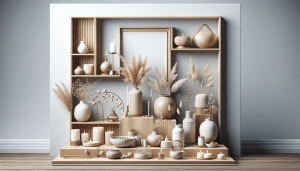
Personalizing a cozy minimalist living room is what takes it from generic to uniquely yours. Rather than crowding shelves and tables with countless items, select a handful of meaningful pieces—family photos, artwork, or a vintage clock—that resonate deeply. Each object should serve a clear purpose or evoke positive feelings, reflecting the inhabitant’s values or memories. The goal is to create a backdrop for life’s moments, not competition for attention. This method celebrates individuality while staying true to minimalist values.
Plants offer an excellent way to introduce color and life without overpowering simplicity. A well-placed snake plant, fiddle leaf fig, or trailing pothos adds vibrancy and improves air quality. Natural light further enhances the inviting mood, so consider minimal window coverings to maximize daylight. When choosing additional decor, such as candles or books, focus on quality over quantity—let favorites be visible while tucking away less-used items. Layered lighting—mixing floor lamps, wall sconces, and candles—creates cozy ambiance during evenings. The interplay of light and greenery produces a space that evolves gently throughout the day.
Art and textiles can imbue a minimalist room with depth and personality. Abstract canvases or black-and-white photography maintain a clean look while providing visual intrigue. Swapping pillow covers or throws seasonally keeps things fresh and allows for playful pattern or color experimentation within a cohesive scheme. Sustainable decor choices, such as upcycled wood frames or artisan-made ceramics, add a story to each object. Ultimately, personality-driven decor makes the minimalist living room a true reflection of the people who enjoy it, bringing comfort, connection, and meaning to every day.
Lighting Solutions for Warmth and Ambiance
Lighting can transform the atmosphere of a minimalist living room, making it feel cozy and inviting. Relying solely on overhead fixtures often produces harshness; instead, layering multiple types of illumination is recommended. Floor lamps and table lamps with warm bulbs create pools of soft light, while wall sconces add sophistication and reduce visual clutter. Strategically placed mirrors can reflect natural light, enhancing brightness without additional fixtures. Dimmer switches allow flexibility, letting residents adjust ambiance throughout the day.
Accentuating architectural features with lighting—such as highlighting a textured wall or a unique ceiling—gives dimension without adding objects. Accent lights under shelves or behind furniture offer a subtle glow that feels both modern and inviting. Candles, particularly unscented or naturally scented varieties, bring warmth and a gentle flicker, perfect for evening relaxation. Reflective surfaces, like glass tabletops or metallic frames, rebound ambient light and amplify spaciousness, supporting the feeling of tranquility and ease.
Window treatments should be minimal and practical, ensuring privacy while encouraging sunlight. Sheer curtains or simple blinds maintain clean lines and keep the room bright. For spaces that lack natural light, daylight bulbs can mimic sunlight, lifting the mood. Carefully chosen light sources help create a seamless transition from busy daylight hours to evening calm. By viewing lighting not as an afterthought but as a core design element, the essence of cozy minimalism—comfort and serenity—truly comes alive.
References
1. The Spruce. (n.d.). What Is Cozy Minimalism? Retrieved from https://www.thespruce.com/cozy-minimalism-basics-4787377
2. Architectural Digest. (n.d.). How to Achieve Cozy Minimalism at Home. Retrieved from https://www.architecturaldigest.com/story/cozy-minimalism-how-to
3. Real Simple. (n.d.). Minimalist Decorating Ideas for Every Room. Retrieved from https://www.realsimple.com/home-organizing/decorating/decorating-style/minimalist-decorating-ideas
4. Mindful. (n.d.). Why Decluttering Your Space Brings Peace of Mind. Retrieved from https://www.mindful.org/declutter-your-space-peace/
5. Elle Decor. (n.d.). Decor Trends: The Rise of Cozy Minimalism. Retrieved from https://www.elledecor.com/design-decorate/trends/a26824935/cozy-minimalism-trend/
6. Sustainable Furnishings Council. (n.d.). Sustainable Furniture for Home. Retrieved from https://sustainablefurnishings.org/why-sustainable

 Unlocking Small Business Loan Options You Might Miss