How Sports and Recreation Encourage Healthy Communities
Camila Torres September 17, 2025
The importance of physical fitness and mental health has never been more emphasized than in today’s world. With the increasing awareness about lifestyle-related health challenges, communities are turning to sports and recreation as a way to promote health, well-being, and community engagement. As the world embraces a more active and balanced way of living, the impact of sports and recreational activities on the health of individuals and communities is gaining significant attention. This article explores how sports and recreation are key to encouraging healthier communities, both physically and mentally.
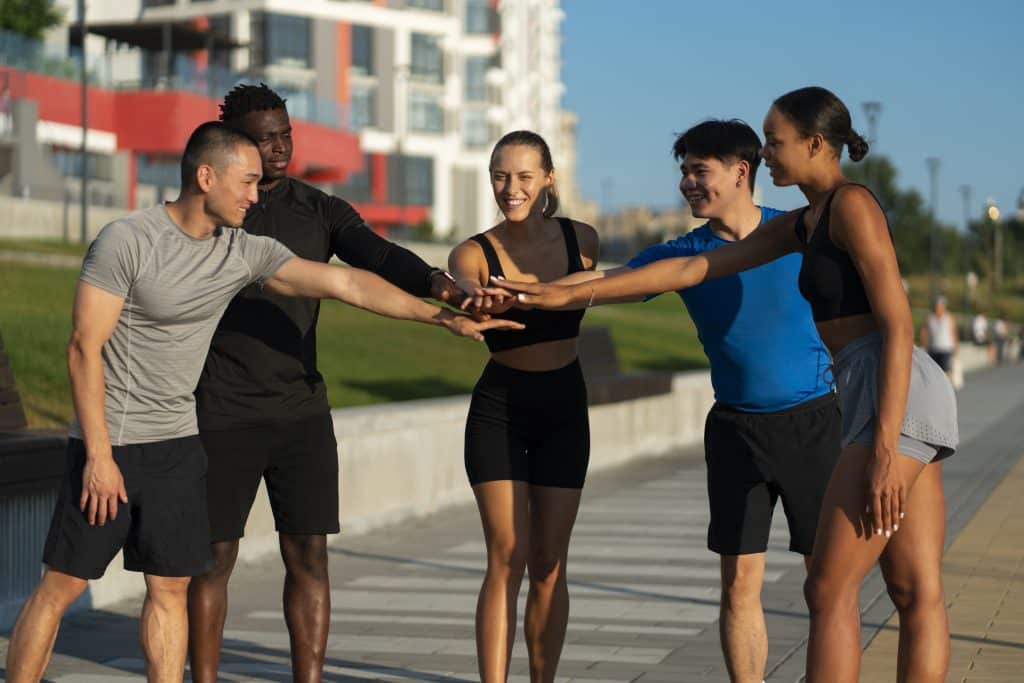
The Rise of Community Sports Programs
Sports programs have always played a pivotal role in fostering social bonds, but recent trends show that more communities are investing in organized sports programs to build a foundation for better health. Cities are increasingly focusing on accessible sports programs that cater to all age groups and abilities. By providing recreational opportunities close to home, communities not only help residents maintain a healthy lifestyle but also reduce barriers to fitness for lower-income or marginalized groups. These programs also provide an opportunity for local engagement, helping people connect with others in their neighborhood, further building social resilience.
Some examples include:
- Youth Sports Leagues: Cities are expanding youth sports leagues to include diverse sports options like soccer, basketball, and swimming. These programs offer kids and teens a safe and structured way to engage with peers, stay active, and develop life skills.
- Adult Leagues and Fitness Classes: There is a growing demand for adult recreational leagues and fitness classes, which range from yoga to mixed martial arts. These programs help adults maintain physical health, create social bonds, and foster inclusivity in the community.
By encouraging participation in sports, communities can reduce the prevalence of chronic conditions such as obesity, diabetes, and hypertension, all while fostering a spirit of teamwork and unity.
Creating Public Spaces for Recreation
One of the most significant trends in creating healthier communities is the transformation of public spaces into recreational hubs. Municipalities are increasingly designing parks, walking trails, and fitness zones that promote physical activity. These public spaces not only encourage exercise but also serve as places for people to meet, interact, and form relationships that can last a lifetime.
For instance:
- Public Parks and Green Spaces: Many urban areas are converting unused spaces into fitness zones, complete with outdoor gym equipment, tracks, and multi-use fields. This transformation is key in promoting physical health by providing easy access to sports and fitness resources.
- Walking and Cycling Trails: Cities are investing in trails and bike lanes that connect neighborhoods and public spaces, promoting walking, running, and cycling. This has also led to an increased interest in environmental sustainability as more people opt for eco-friendly transportation options.
The push for such spaces highlights the broader trend of making recreational activities a natural and effortless part of daily life, reducing the excuse of “lack of time” for not being active.
The Impact of Technology and Innovation in Recreation
The fusion of technology and recreation is another powerful tool that is making sports more accessible and engaging than ever before. Mobile apps, wearables, and virtual platforms are bringing fitness and recreation into the digital realm, encouraging both individuals and communities to participate in health and wellness programs.
Popular innovations include:
- Fitness Apps and Wearables: The rise of fitness tracking apps like Strava and Fitbit has enabled individuals to track their progress and stay motivated. These apps often include features such as social sharing, where users can challenge friends and engage in community fitness events, making exercise a fun, competitive activity.
- Virtual Fitness Classes: Platforms like Peloton and local community hubs are offering live and on-demand fitness classes that bring instructors and participants together virtually. This allows people from different geographic locations to come together and partake in physical activities from the comfort of their homes.
By integrating technology into sports and recreation, more people are becoming aware of the impact of regular physical activity on their well-being. These innovations have the potential to transform the way communities view fitness, offering people of all ages and abilities the chance to stay active, regardless of location or time.
Mental Health Benefits: More Than Just Physical Fitness
While the physical health benefits of sports and recreation are well-documented, the mental health benefits are equally significant. Physical activity plays a key role in reducing stress, anxiety, and depression while improving overall mood and cognitive function. The growing focus on mental health has led to an increasing emphasis on recreational activities that promote mental wellness.
For example:
- Mindfulness and Yoga Classes: Cities are offering more mental wellness activities, such as yoga, tai chi, and meditation, in public parks or community centers. These activities help reduce stress and improve overall mental health.
- Social Connections: Organized sports and recreation are proving to be invaluable for mental well-being by facilitating social interactions, which can alleviate feelings of isolation and loneliness—issues that have become particularly prominent during the COVID-19 pandemic.
Promoting activities that balance both physical and mental health fosters a holistic approach to community well-being, reducing the stigma surrounding mental health and creating more supportive environments for all.
A Sustainable Future for Sports and Recreation
As we look to the future, there is a strong push towards creating more sustainable and inclusive sports and recreation opportunities for all communities. From eco-friendly sports venues to greater inclusivity in sports offerings, the trend is shifting towards ensuring that recreation is accessible, sustainable, and beneficial for everyone.
Emerging trends include:
- Eco-Friendly Sports Venues: Communities are increasingly focusing on the sustainability of sports infrastructure. New stadiums and arenas are being built with green energy, water conservation, and waste reduction in mind, allowing recreation to take place in an environmentally responsible manner.
- Inclusive Programs for Disabled and Elderly People: More cities are expanding sports and recreation programs that cater to individuals with disabilities or older adults. These inclusive initiatives ensure that everyone has the opportunity to lead an active and healthy life, irrespective of physical limitations.
Conclusion: The Future of Healthy Communities Through Sports and Recreation
As we’ve seen, sports and recreation are not just about competition and fun—they are a vital part of fostering healthy, resilient communities. Whether through community sports leagues, the creation of public spaces for recreation, the integration of technology, or the mental health benefits of physical activity, the role of sports in encouraging a healthy lifestyle is crucial for the future of community well-being. By continuing to invest in these areas, we can ensure that future generations have the tools and resources needed to lead active, healthy, and fulfilling lives.
References
- Thompson, R. (2024). The rise of community sports programs: Promoting health and social connection. Health & Wellness Journal. Available at: https://www.healthwellnessjournal.com (Accessed: 17 September 2025)
- Miller, J. (2023). Transforming public spaces: The importance of parks and recreational zones. Urban Development Review. Available at: https://www.urbandevreview.com (Accessed: 17 September 2025)
- Davis, S. (2024). The impact of technology on fitness and recreation: Emerging trends and innovations. TechFit Review. Available at: https://www.techfitreview.com (Accessed: 17 September 2025)

 Ways to Create a Relaxing Spa Experience at Home