Minimalist Living Spaces You Can Try For More Joy
Camila Torres September 24, 2025
Minimalist living spaces have gained vast appeal for those seeking simplicity and serenity. This guide uncovers the secrets behind organizing a stylish minimalist home, shares simple design ideas, and explains why minimalism is so closely tied to personal well-being. Learn how adopting this lifestyle transforms your environment and mindset.
The Allure of Minimalist Home Design
Minimalist home design is reshaping how individuals approach their living spaces. The core philosophy focuses on clean lines, purposeful furnishings, and ample open areas. By integrating minimalist design, you reduce visual clutter and create a sanctuary for relaxation. With unlimited sources of inspiration available online, many are drawn to its calm aesthetic and the sense of order it brings to modern homes. As a result, more people are exploring minimalist living as a route to enhanced well-being and happiness. Minimalist spaces often incorporate neutral color palettes, natural light, and carefully selected decor that holds meaning rather than serving only as ornamentation.
Decluttering is central to the minimalist approach. Rather than filling a space with furniture or accessories, the goal is to keep only the essentials. This not only improves the look of the home but also fosters mental clarity. For some, a minimalist home becomes a canvas for mindful living, allowing them to prioritize experiences and relationships over possessions. Some designers recommend starting small—one room at a time—and gradually extending minimalist principles throughout the home. The process helps you identify what adds value to your life and what can be let go, making every item in your space intentional.
Incorporating minimalist design doesn’t mean eliminating comfort or personality. Many homes successfully blend minimalist principles with unique elements that tell a story. The use of multi-functional furniture, customizable storage, and thoughtful layouts can enhance both beauty and practicality. Turning to online resources like interior design blogs or sustainability-focused organizations provides further guidance on transforming living spaces without sacrificing warmth. Ultimately, minimalist home design can feel both inviting and empowering, giving you more space to breathe and focus on what matters most. Minimalism is not about perfection—it’s about creating harmony between space and lifestyle.
Benefits of Embracing Minimalism in Everyday Life
Adopting minimalist lifestyle choices offers profound psychological benefits. Research suggests that organized, clutter-free environments help reduce stress and foster a greater sense of control. Minimalism encourages individuals to be intentional about what they own and how they spend their time. This shift in mindset often leads to improved focus, heightened productivity, and even better sleep quality. Homes designed with simplicity in mind have a powerful influence on mood and mental clarity. Scientific studies reveal that darker, crowded, or disordered spaces may increase anxiety, while lighter, open, and well-organized spaces support feelings of calm.
Physical health can also be positively affected by minimalist living. Fewer belongings mean fewer items to clean and maintain, which can improve hygiene and reduce exposure to dust and allergens. Many health professionals note that streamlined spaces make it easier to stay physically active, as you can move more freely and keep your focus on holistic well-being. Families who adopt minimalist living practices often report more cohesive routines, less conflict about chores, and smoother day-to-day living. Moreover, minimalist design supports sustainability, since fewer purchases lead to less waste and a reduced carbon footprint.
Financial freedom is an additional perk. Embracing minimalist practices helps control impulse buying and excessive consumerism, creating more room in your budget for meaningful experiences or quality investments. This approach can lead to significant savings over time. Some people even find that minimalism enables them to downsize and relocate more easily, whether for a job, school, or retirement. By making thoughtful choices, minimalist living becomes a platform for greater happiness, improved interpersonal relationships, and the flexibility to adapt to life’s changes without feeling overwhelmed by possessions.
Designing Minimalist Living Rooms for Comfort
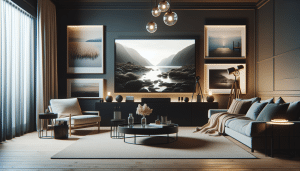
The living room often serves as a home’s central gathering place. In a minimalist context, this means every element earns its place through beauty, utility, or significance. Emphasizing natural sunlight, streamlined sofas, and multifunctional storage solutions can turn even small living rooms into welcoming retreats. Neutral tones tend to dominate, enhanced by textures in rugs, throws, or wall art. Artfully chosen plants or sculptural pieces add interest without visual overload. Keeping surfaces clutter-free allows the space to feel more expansive. This foundational principle appeals to apartment dwellers and homeowners alike seeking honest, calming environments.
Flexible furniture is a hallmark of well-designed minimalist living rooms. Convertible coffee tables, nesting side tables, and wall-mounted shelves support both everyday activities and entertaining guests. Technology integration—such as a streamlined television mount or well-concealed charging stations—demonstrates how minimalist ideals harmonize with modern living. Professionals in interior design recommend focusing on open-plan arrangements for optimal flow, ensuring that every sightline is pleasing and functional. Frequent rearrangement or editing keeps the space lively without the need for constant upgrading.
Lighting is also crucial in minimalist living spaces. Using layered lighting—from overhead fixtures to floor lamps and subtle undercabinet LEDs—creates dimension and amplifies a sense of quiet luxury. Innovations in smart lighting can further enhance the ambiance, allowing adjustments to match mood or time of day. Window treatments that maximize sunlight while maintaining privacy help rooms feel both airy and grounded. The result is a living room where each detail is intentional, supporting relaxation and connection with family or friends.
Minimalist Bedrooms for Better Rest
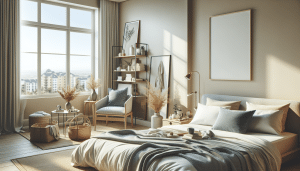
Bedrooms designed with minimalist principles often create ideal settings for restful sleep. The philosophy centers on only the essentials: a supportive bed, modest nightstands, and calm, natural lighting. The absence of excess encourages tranquility. Many choose bedding in soothing tones and limit wall decor to a few cherished items or meaningful art pieces. Organized storage—such as under-bed drawers or built-in wardrobes—ensures surfaces stay clear, contributing to a peaceful bedtime ritual that promotes restorative rest. Emphasis on comfort and simplicity goes beyond the visual; it extends to air quality, noise reduction, and gentle temperature control.
In minimalist bedrooms, technology use is often limited or carefully planned. Devices like smartphones and televisions are either omitted or thoughtfully integrated to avoid distraction before sleep. Researchers emphasize the importance of such settings for good sleep hygiene, as a cluttered environment can disrupt circadian rhythms and mental rest. Incorporating elements from nature, such as potted plants or natural fiber textiles, is another growing trend. These touches foster a stronger connection to the natural world—a proven factor in stress reduction and emotional well-being.
Lighting techniques also play a role in serene minimalist bedrooms. Soft, indirect sources such as bedside lamps or wall sconces offer flexibility and contribute to a relaxing ambiance. Dimmers and blackout curtains help create the optimal darkness for uninterrupted sleep. For those adapting to small spaces, minimalist design offers creative solutions like fold-away desks or Murphy beds, preserving openness even in modest quarters. In sum, minimalist bedrooms help cultivate sleep environments where relaxation and rejuvenation take priority, making restful nights more accessible for all.
Bringing Minimalism Into Kitchens and Dining Spaces
Kitchens and dining areas are often notorious for accumulating clutter. Minimalist design intervenes by prioritizing efficient storage, uncluttered countertops, and high-quality, versatile kitchenware. Open shelving or concealed cabinets allow for both display and organization, while limited but dependable appliances keep the space functional and attractive. Many kitchen designers now recommend investing in timeless essentials rather than trendy gadgets. Thoughtful arrangement of utensils and ingredients ensures meal preparation is streamlined and enjoyable, fostering a more mindful relationship with food.
The layout in minimalist kitchens typically encourages easy movement and accessible cleaning. Integrated recycling and waste stations support environmental stewardship. Dining spaces, meanwhile, are kept simple yet inviting—with solid dining tables, comfortable chairs, and subtle decor providing the backdrop for meaningful shared meals. Tableware may be limited to a cohesive set, avoiding the confusion of mismatched items for a consistent visual flow. Families embracing minimalist kitchens often report that regular cleaning becomes less time-consuming, freeing up hours for shared activities or relaxation.
Lighting and color play complementary roles here, too. Using light fixtures installed above work surfaces, paired with natural or energy-efficient bulbs, helps maintain both the functionality and mood of the space. Neutrals and earthy hues anchor the atmosphere, while potted herbs or a single vase with fresh flowers can infuse life and character. Minimalist kitchens are not only about aesthetics—they support healthy habits, sustainable choices, and foster an environment where home-cooked meals feel effortless and joyful, elevating daily routines into experiences to savor.
Tips for Starting Your Minimalist Journey
Transitioning to minimalist living may seem daunting, but small steps make a significant difference. Begin by evaluating one room at a time, identifying items you use regularly versus those you simply store. Donation, recycling, or repurposing give new purpose to possessions that no longer serve you. Experts recommend setting clear goals, such as creating calming spaces or reducing housework, to keep motivated. Reflection is integral to this journey, ensuring you remain intentional throughout the process, even as your needs and tastes change over time.
Seeking inspiration from those who have already embraced minimalism can speed up the transformation. Online communities, design magazines, podcasts, and environmental organizations regularly share practical advice and real-life visuals that encourage creativity. Many find it useful to adopt practical toolkits like reusable shopping lists, capsule wardrobe templates, or home organization checklists. These resources help reinforce habits that sustain a minimalist lifestyle long-term. Consistency and patience, rather than instant transformation, are key to genuine minimalism. Celebrate progress and continue learning from every adjustment.
Ultimately, minimalist living means aligning personal values with lifestyle choices. This philosophy is highly individual—what works for one household may look different for another. Minimalism’s flexibility allows you to tweak principles, mixing the functional with the sentimental in just the right measure. Over time, you’ll likely discover that this mindful approach creates more opportunities for creativity, connection, and lasting joy. Explore more ideas from trusted sources as you progress on the path to a minimalist life and enjoy a living space tailored to your ever-evolving vision of happiness.
References
1. The Minimalists. (n.d.). What is Minimalism? https://www.theminimalists.com/minimalism/
2. National Sleep Foundation. (n.d.). Bedroom Environment. https://www.sleepfoundation.org/bedroom-environment
3. Harvard Health Publishing. (2019). Why clutter matters and decluttering helps. https://www.health.harvard.edu/mind-and-mood/why-clutter-matters-and-decluttering-helps
4. Mayo Clinic Staff. (2019). Tips for sustainable kitchen design. https://www.mayoclinic.org/healthy-lifestyle/adult-health/expert-answers/green-living/faq-20057750
5. American Psychological Association. (2020). Stress and clutter. https://www.apa.org/monitor/2020/09/cover-clutter
6. U.S. Environmental Protection Agency. (2022). Sustainable Living. https://www.epa.gov/sustainability

 Marketing Strategies That Grow Small Businesses