Ways You Can Master Minimalist Home Decor
Camila Torres September 24, 2025
Minimalist home decor has inspired a wave of new interiors, blending simplicity with comfort and function. Discover how to incorporate minimalist design principles, choose essential elements for your space, and create a home that feels serene and intentional.
Why Minimalist Home Decor Appeals to So Many
Minimalist home decor connects with those craving a sense of calm and order. The minimalist approach strips away the excess, leaving only what matters. Many find this style appealing because it creates tranquility in daily life. When clutter disappears, rooms instantly feel larger and brighter. Minimalist interiors also tend to be easy to maintain, reducing the time spent cleaning and organizing. This is why so many seek minimalist decor ideas in pursuit of mental clarity and an inviting home.https://www.architecturaldigest.com/story/minimalist-home-design-guide
Minimalist home decor is not about owning less for its own sake. It’s about making thoughtful choices. Each piece, from a mid-century coffee table to an abstract wall print, should offer both beauty and purpose. Many minimalist enthusiasts curate their space over time, swapping busy patterns for clean lines and muted tones. Creating this harmonious environment helps foster relaxation and even improves concentration—a hidden bonus for those working from home or managing busy schedules.https://www.apartmenttherapy.com/minimalist-decor-style-36713139
The growing interest in eco-friendly living has also propelled minimalist home decor. Choosing fewer, higher-quality furnishings can reduce environmental impact. Scandinavia, for example, has influenced global tastes by showcasing simplicity, functional furniture, and lots of natural light. The minimalist trend can be adjusted for budgets both large and small, making it accessible to a wide audience. By focusing on essentials, more people are finding that less truly can be more.https://www.elledecor.com/design-decorate/trends/a27571234/minimalist-interior-design/
The Core Principles That Guide Minimalist Interior Design
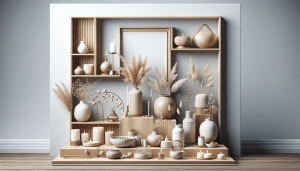
Minimalist home decorating follows a few timeless rules: keep it simple, functional, and elegant. Furniture layout matters as much as furniture choice. Open space, light, and neutral tone palettes are mainstays. Decorative accents are minimal—think a single vase or a few curated books. Walls may be left bare or display only one piece of meaningful art. These core principles are easy to adapt to any size of home, whether you live in a studio apartment or a spacious house.https://www.houzz.com/magazine/a-guide-to-minimalist-interior-design-stsetivw-vs~50611385
Functionality drives every decision in minimalist home decor. Before keeping an item, ask if it serves a purpose. Multi-use furniture is prized—such as sofas with storage, or extendable dining tables. For color, whites, beiges, and grays dominate. When color appears, it’s in soft blues or greens, used as subtle accents. Lighting is another essential element. Floor lamps, pendant lights, and natural daylight shape the room’s feel. All of this creates a sense of flow and balance, which enhances well-being.https://www.nytimes.com/guides/realestate/home-decorating-ideas
Minimalists often rely on natural materials—think wood, linen, and stone. These surfaces provide tactile warmth and contrast, ensuring the home never feels cold or sterile. A minimalist space should invite touch and comfort. The absence of clutter also gives treasured objects, like family heirlooms, a chance to stand out. By pairing only a few decor items with clean design, the home feels peaceful and organized—a retreat from the outside world’s distractions.https://www.dezeen.com/2020/01/01/minimalism-interior-design-trends-2019/
Minimalist Decor for Every Room: Practical Tips
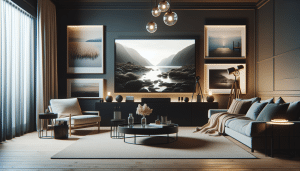
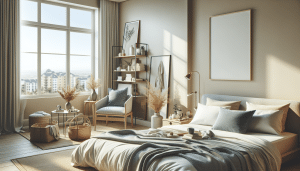
Bringing minimalist home decor into every room is possible, no matter your starting point. In the living room, remove excess furniture to create more open space. Place a sleek sofa center stage and use a low-profile table. Add tonal throw pillows for softness. For bedrooms, opt for a simple platform bed and hidden storage. Clutter-free nightstands and streamlined bedding help promote restful sleep. Bathrooms benefit from open shelving and clean, white tiles, making the space feel spa-like. Each room serves its function but always feels visually light.https://www.bhg.com/home-improvement/room/makeover-ideas/minimalist-decor-ideas/
Minimalism isn’t just about removing things—it’s about being selective. Kitchens thrive when countertops are clear and everything has a dedicated spot. Consider built-in storage options to keep utensils and appliances out of sight. Open shelving can display a few favorite dishes while maintaining order. Dining spaces can use a simple table and a set of matching chairs, maybe accented with a sculptural bowl or vase. Even children’s rooms benefit from minimalism, as clear surfaces help toys and books remain organized, reducing stress for the whole family.https://www.housebeautiful.com/room-decorating/living-family-rooms/g3024/minimalist-interior-design-ideas
Textures keep minimalist home decor feeling warm. Wool throws, ceramic objects, and woven baskets add personality without overwhelming the space. Large area rugs can define open-concept layouts, softening wood or tile floors. Plants are a minimalist’s favorite accent—they introduce life while staying fuss-free. Remember, natural light is a major asset. Avoid heavy curtains, and use mirrors strategically to reflect sunshine deeper into a room. By prioritizing these practical choices, the minimalist approach feels welcoming and fresh.https://www.realhomes.com/advice/minimalist-home-decor-ideas
How to Edit and Curate Your Belongings
Editing your possessions is central to minimalist home decor. Begin by sorting through each possession with honesty—does it add value to your life? If not, consider donating or recycling it. The process may take time, but it’s freeing. Minimalists often use the “one in, one out” rule: if you add something new, let go of something else. This keeps even the smallest spaces from feeling crowded. It’s not about being ruthless; it’s about aligning your space with your lifestyle and values.https://www.goodhousekeeping.com/home/organizing/tips/a17601/de-clutter-your-home/
The “capsule approach” works well in wardrobes and beyond. It means keeping a small collection of items you truly love and use, rather than trying to anticipate every future need. Rotating accessories seasonally can keep things feeling fresh without expanding your collection. Sentimental items can stay, but display only a few in visible spaces. The rest can be safely stored or digitized. When decluttering, focus on creating zones: kitchen gadgets together, linens in one basket, and so forth. This makes tidying up easier, and you always know where things belong.https://www.marthastewart.com/1526162/minimalist-home-declutter-tips
When acquiring new items, choose for longevity and timelessness. Lean toward pieces in natural materials and neutral palettes, which are easier to mix and match as your tastes evolve. Minimalist home decor champions quality over quantity. Sometimes, saving up for the right item—like a well-crafted chair or artisan lamp—pays off long term. Besides aesthetics, this mindset can help you spend less and reduce waste over the years, making minimalism both rewarding and sustainable.https://www.ecowatch.com/minimalist-living-sustainability-2658933539.html
Common Minimalist Mistakes and How to Avoid Them
The allure of minimalist home decor sometimes leads to a sterile feel. Going too bare can erase personality. Avoid this by layering in organic textures—a linen throw, a leafy plant, or a handmade bowl. Minimalism doesn’t mean emptiness. The right accents—like a bold cushion or personal photograph—add just enough warmth to keep your home feeling real. It’s a fine balance, and most discover their comfort zone through experimentation. Mistakes are simply part of the creative process.https://www.mydomaine.com/minimalist-decor-mistakes-4799003
Another common misstep is confusing minimalism with perfection. Some believe every item must match or belong to a set. In reality, minimalist interiors welcome imperfection—like vintage finds or handmade ceramics. Personal touches, whether it’s a favorite book or travel memento, are what make a space inviting. Visual interest comes from contrast: rough meets smooth, old complements new. Embracing the lived-in look prevents your home from feeling too rigid or staged.
Lastly, rushing the process can result in regrets. Minimalism is a journey, not a destination. Take it slow—start with one corner, then expand as confidence grows. Learn to live with emptier spaces before deciding what, if anything, is missing. Consult design guides or visit minimalist showrooms for inspiration. Over time, your space will evolve to reflect your unique vision. And that’s the heart of minimalist home decor—a reflection of personal values and style.https://www.houseandgarden.co.uk/gallery/minimalist-home-decor
Minimalism as an Ongoing Lifestyle Choice
Minimalist home decor often inspires wider life changes. Many discover that ordering their environment brings new perspective to their habits. This mindful approach can influence decisions far beyond furniture—like shopping, work, and relationships. A minimalist lifestyle values experiences over possessions, which some say leads to greater happiness. The home becomes a sanctuary, supporting relaxation and productivity. It’s normal for ideals to shift over time as tastes and routines change.https://www.psychologytoday.com/us/blog/your-emotional-meter/202103/how-minimalist-lifestyle-affects-well-being
Staying minimalist is about ongoing editing—not a one-time decluttering spree. Life events, like moving or changing jobs, may prompt another round of simplifying. Some count this as part of their self-care, using routines like daily tidying or monthly closet reviews to stay organized. Family and roommates can have their own take on minimalism, so flexibility and communication are helpful. The process works best when it builds understanding and respect for each person’s needs and style.https://www.verywellmind.com/the-health-benefits-of-living-an-organized-life-5093173
Embracing minimalism means appreciating what you already have. The practice encourages gratitude, presence, and contentment. Over time, this lifestyle often cultivates a greater sense of freedom—from both clutter and outside expectations. The minimalist home becomes a living space that truly supports what matters most, whether that’s creativity, connection, or peace of mind. As interests evolve, your home reflects each new chapter with ease and simplicity.https://www.simplelionheartlife.com/benefits-of-minimalism/
References
1. Architectural Digest. (n.d.). Minimalist Home Design Guide. Retrieved from https://www.architecturaldigest.com/story/minimalist-home-design-guide
2. Apartment Therapy. (n.d.). Minimalist Decor Style. Retrieved from https://www.apartmenttherapy.com/minimalist-decor-style-36713139
3. Better Homes & Gardens. (n.d.). Minimalist Decor Ideas. Retrieved from https://www.bhg.com/home-improvement/room/makeover-ideas/minimalist-decor-ideas/
4. Psychology Today. (2021). How a Minimalist Lifestyle Affects Well-Being. Retrieved from https://www.psychologytoday.com/us/blog/your-emotional-meter/202103/how-minimalist-lifestyle-affects-well-being
5. EcoWatch. (2022). Minimalist Living Supports Sustainability. Retrieved from https://www.ecowatch.com/minimalist-living-sustainability-2658933539.html
6. Real Homes. (n.d.). Minimalist Home Decor Ideas. Retrieved from https://www.realhomes.com/advice/minimalist-home-decor-ideas

 Quantum Computing Unveiled What You Need to Know