Why Minimalist Living Might Surprise You
Camila Torres October 30, 2025
Minimalist living isn’t just about empty shelves and white walls. Explore how mindful choices, small steps, and clever lifestyle shifts can lead to more satisfaction and less stress. Discover practical decluttering tips, emotional wins, and the real hidden perks of embracing less in daily life.
The Unexpected Perks of Minimalist Living
Minimalist living isn’t about going without. It’s about carefully selecting what matters most, leading to surprising benefits in daily routines. Many who step into minimalism quickly notice they spend less time cleaning and organizing. Fewer items mean fewer decisions, less stress, and more time for what truly counts—whether it’s reconnecting with friends or rediscovering favorite books. Minimalism gently nudges you to focus on quality, not quantity, shifting energy toward meaningful experiences.
There’s a profound mental clarity that grows as physical clutter fades. Clinical research has linked clutter to increased stress and anxiety, especially for those balancing work at home (Source: NIH.gov). As belongings are minimized, many report better focus, improved sleep, and a general sense of contentment. The minimalist lifestyle offers more than aesthetic appeal; it empowers individuals to set healthy boundaries and practice intentional living.
Minimalist principles even extend outside the home. Shopping habits often adjust, with a sharper eye for value and function. Social activities shift toward meaningful connection instead of material exchange. Some even find financial benefits; less shopping means more resources for memorable experiences or creative hobbies. Minimalist living, it turns out, ignites a cascade of positive changes that ripple through work, relationships, and wellbeing.
Getting Started: Decluttering and Mindful Choices
Decluttering for life isn’t a single weekend project—it’s a lifestyle shift. Begin by focusing on one small space, such as a single drawer or shelf. As you gently sort items, ask what truly brings utility or joy. This method—often called the ‘one-touch rule’—helps avoid overwhelm and builds sustainable habits. Seasonal audits of clothing or kitchenware further reduce decision fatigue, simplifying daily routines and saving valuable energy (Source: Harvard Business Review).
Embracing mindful consumerism is an important next step. Rather than chasing every new trend, minimalists often wait before making purchases, letting needs settle before acting. This approach reduces impulse buys and helps users align their spending with long-term goals. Some find it useful to keep a list of essentials, choosing multipurpose, durable items over ‘just-in-case’ acquisitions. Shopping with intention often brings long-term satisfaction and less environmental waste.
Digital decluttering shouldn’t be ignored. Unsubscribe from emails and organize files to streamline your digital footprint. Set aside time each month to clear out apps and unused accounts. A tidy inbox or desktop lessens distraction and offers a more calming workspace. These small, deliberate steps cultivate a sense of order and self-control, creating more freedom for creativity and relaxation.
Emotional Benefits and Personal Growth
The emotional core of minimalism may be its most powerful secret. By letting go of excess, you release emotional baggage tied to possessions—whether guilt from unused gifts or pressure to keep up with ever-changing trends. Many folks say this process improves self-awareness and reduces anxiety, supporting better mental health overall (Source: Psychology Today).
Minimalist living can also strengthen relationships. With less clutter and distraction, it’s easier to be present with family, friends, or partners. Some report that shared spaces become more harmonious, with fewer arguments over tidiness. Open rooms and simple schedules encourage gathering and creativity, often leading to deeper connections and longer conversations.
Personal growth often follows. Minimalists discuss discovering hobbies, passions, and skills previously hidden by busyness and clutter. As material distraction fades away, curiosity and creativity find space to thrive. This sense of purpose and possibility infuses daily life with optimism and enthusiasm, inspiring others through example—not pressure—to consider a minimalist path.
Sustainable Minimalism and Eco-Friendly Habits
Adopting minimalist habits can benefit the environment, too. With fewer purchases and a focus on long-lasting items, individuals reduce their ecological footprints. Thoughtful buying leads to less packaging, less waste, and a markdown in overall consumption. Minimalists often recycle or donate what they no longer need, supporting circular economies and local charities (Source: EPA.gov).
Green living and minimalism go hand in hand. Many choose reusable bags, glass containers, or energy-efficient appliances, emphasizing simplicity and sustainability. Community swaps or online platforms for secondhand goods highlight a shift from the throwaway culture to one rooted in care and resourcefulness. These sustainable choices collectively make a real difference, creating cleaner, healthier communities over time.
Eco-minimalism isn’t about deprivation. It’s about enjoying abundance in what remains, knowing each item serves a meaningful role. Some report increased appreciation for quality foods, nature, and experiences outside traditional consumer pathways. When every purchase is weighed for impact, the results ripple outward, fostering stewardship and gratitude for the natural world.
Designing a Space that Reflects Minimalist Values
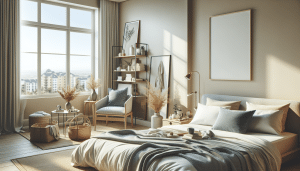
Minimalist interiors aren’t cold or empty—they’re welcoming and warm. Design begins with intentional organization: assign every item a proper place, keeping open surfaces and calm color palettes. Natural light and a few treasured decorations can make a small room feel inviting and uplifting, even in compact homes or urban apartments.
Furniture selection is key. Multi-functional pieces, like beds with storage or folding tables, accommodate changing needs while minimizing clutter. Built-in shelving and wall hooks extend vertical space, helping keep essentials tidy but easily accessible. The aim is efficiency and comfort, creating rooms that soothe rather than overwhelm.
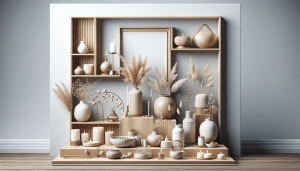
Personal touches remain vital. Framed photos, a favorite plant, or a handwoven basket add warmth and identity. Minimalist decor doesn’t erase personality; it celebrates it, ensuring surroundings support health and happiness. Many find home becomes a gentle retreat, offering peace for both solitude and community gatherings.
Bringing Minimalism into Everyday Routines
Minimalism can extend into every facet of life—including daily habits. Streamlining a morning routine to a few reliable steps saves time and sets a peaceful tone. A capsule wardrobe eliminates decision fatigue, making it easy to dress with confidence. Meal planning with simple, nourishing recipes avoids excess while keeping things delicious and fun.
Mobile devices and social media benefit from a pared-back approach. Limit notifications to only what’s essential. Choose a few apps that offer value, deleting the rest to cultivate focus. Instead of scrolling out of habit, set purposeful times to connect online, freeing up more time for offline pleasures, from long walks to mindful journaling.
Maintaining minimalism is a continual process. Set aside moments each week to review spaces, reflect on what’s working, and gently release what no longer serves. These small rituals keep clutter in check, ensuring the perks of minimalist living remain a lasting part of everyday life. Over time, this approach empowers people to invest in wellness, creativity, and community instead of material accumulation.
References
1. Saxbe, D. E., & Repetti, R. L. (2010). No place like home: Home tours correlate with daily patterns of mood and cortisol. Retrieved from https://www.ncbi.nlm.nih.gov/pmc/articles/PMC5579396/
2. Dunn, E. W., Gilbert, D. T., & Wilson, T. D. (2011). If money doesn’t make you happy, then you probably aren’t spending it right. Retrieved from https://www.ncbi.nlm.nih.gov/pmc/articles/PMC4045288/
3. Chiles, J. (2019). Why We Cling to Things We Don’t Need. Retrieved from https://hbr.org/2019/02/why-we-cling-to-things-we-dont-need
4. Kondo, M. (2015). The Life-Changing Magic of Tidying Up. Retrieved from https://www.nytimes.com/2015/10/04/opinion/sunday/marie-kondo-and-the-tidying-up-of-life.html
5. Carter, K. (2020). The psychology of letting go. Retrieved from https://www.psychologytoday.com/us/blog/the-new-grief/202001/the-psychology-letting-go
6. Environmental Protection Agency. (n.d.). Sustainable management of materials. Retrieved from https://www.epa.gov/smm/sustainable-management-materials-non-hazardous-materials-and-waste-management-hierarchy

 Exploring Trends That Could Shape Your Next Home Search