Exploring Minimalism in Home Design and Daily Life
Camila Torres October 26, 2025
Minimalism isn’t just a home design trend; it’s a lifestyle movement that changes habits, choices, and spaces. Discover how embracing minimalist living can influence well-being, interior style, and lasting financial comfort—all while focusing on the essentials that matter most.
What Makes Minimalism More Than a Style Choice
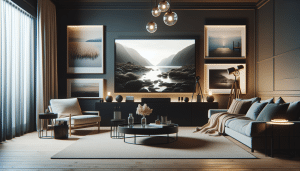
Minimalism in home design transcends visual simplicity. It’s about intentional living—choosing what’s necessary and meaningful, while leaving excess behind. When you walk into a minimalist space, the feeling is more than just aesthetic. There’s a remarkable clarity as distractions fade and only valued items remain. Evidence shows that reducing clutter can promote better mood and focus. Experts indicate minimalism isn’t about deprivation but about creating space for a calmer mind and more fulfilling routines (https://www.ncbi.nlm.nih.gov/pmc/articles/PMC7431095/).
The popularity of minimalist decor isn’t accidental. Neutral colors, open layouts, and practical furniture create visual calm while improving function. Many who embrace this approach experience less stress in daily life, since simplified spaces are easier to manage. Research also reveals minimalist interiors can support productivity and minimize time spent tidying or searching for items. Developers of “tiny homes” and compact apartments increasingly use minimalist ideas to maximize utility per square foot and promote sustainability in living spaces.
But the philosophy of minimalism touches deeper. It intersects with financial stability, ecological responsibility, and personal values. Individuals choosing a minimalist lifestyle often report increased satisfaction by cutting unnecessary purchases and waste (https://www.apa.org/monitor/2019/07/ce-corner-stuff). Clothes, gadgets, and decor are selected for function and joy, rather than quantity. This supports environmental wellness and helps reduce the decision fatigue that comes from owning too much. Minimalism, in this sense, becomes a proactive, purposeful way to shape life and home.
Transforming Interiors With Minimalist Strategies
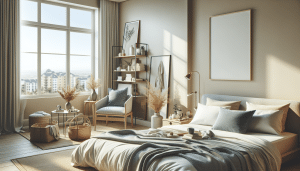
Embracing minimalism in interior design involves thoughtful curation. Each room tells a story, not through abundance, but through intention. When considering what stays and what goes, organizers suggest asking: Does this item truly serve a purpose or spark joy? Open shelving, streamlined furniture, and limited color palettes are key features, creating the foundation for serene living spaces. By gradually reducing visual clutter, any home can become a retreat from daily chaos.
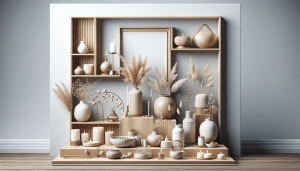
Minimalist strategies aren’t about cold or empty aesthetics. The style features warm woods, tactile fabrics, and occasional statement pieces that reflect personality. Plants, sculptural lamps, and handcrafted pottery are favored over boxed trinkets. The goal is to create harmony; each addition should enhance comfort and practicality. Scandinavian design, known for its uncluttered look, exemplifies this balanced approach and offers lessons for adapting minimalist ideas to any climate or region (https://www.scandinaviastandard.com/minimalism-scandinavia/).
Many people start transitioning to minimalist interiors by decluttering just one zone—a closet, kitchen, or entryway. Small wins build momentum. Professional organizers recommend regular reevaluation: as life changes, so do spatial needs. An annual edit of belongings can help sustain the minimalist habit. Visual symmetry, intentional negative space, and multi-functional furniture are all tools to maintain simplicity and elegance as lifestyle needs evolve.
Minimalist Living and Its Impact on Well-Being
Minimalist living isn’t only about tidy rooms. A core benefit is improved mental health. Studies show that visual chaos in living spaces can elevate cortisol levels—our body’s main stress hormone. When homes feel ordered, research suggests people experience more relaxation and self-efficacy. Adopting minimalist routines, such as consistent decluttering or mindful purchasing, encourages healthier lifestyle patterns over time (https://www.psychologytoday.com/us/basics/minimalism).
Daily life gets easier, too. With fewer possessions, cleaning up becomes faster and decision-making less overwhelming. Some practitioners of minimalism note they’re more likely to enjoy hobbies, family meals, or meditation in peaceful, uncluttered environments. Spaces reserved for relaxation or creativity foster personal growth and allow interests to flourish without interruption from excess objects or media noise.
Minimalism’s positive impact extends beyond the walls of a house. Adherents frequently find themselves more attuned to non-material pleasures: outdoor activities, reading, meaningful connections. Many report spending more time outdoors or choosing experiences over possessions. This lifestyle prioritizes health, relationships, and learning above accumulation, aligning with trends in well-being research that point to the value of intention and presence.
Reducing Consumerism Through Mindful Choices
Minimalism is a response to excessive consumerism. The marketplace encourages constant updates and purchases, but minimalist living promotes “buy less, choose well.” Key strategies include assessing true needs, considering long-term use, and supporting brands with sustainable practices (https://www.routledge.com/A-Life-Less-Throwaway-The-Lost-Art-of-Repairing-Things). This approach not only saves money but also helps mitigate the environmental impact of fast fashion and disposable goods.
Minimalist advocates recommend developing a “wish list” approach: delaying certain purchases for 30 days to prevent impulse buying. This aligns shopping with core values. Many families practice seasonal “no buy” months, using what they have before bringing in replacements. Social media communities provide support and inspiration, sharing methods for upcycling, repairing, or swapping items rather than always buying new.
Making more conscious choices can produce a ripple effect. When demand for ethically produced, durable goods increases, industry shifts. Minimalist households report feeling greater control over finances and environmental footprint. This sense of empowerment encourages further sustainable habits, such as buying local food, reducing single-use plastics, or adopting renewable energy. Over time, the broad adoption of minimalist habits can influence wider societal trends toward sustainability and mindful living.
Minimalism and Financial Wellness
Another significant benefit of minimalism is financial balance. By focusing on quality over quantity, many who pursue a minimalist lifestyle see reduced spending and greater satisfaction with what they own. Smaller living spaces—often part of minimalist design—mean lower housing costs, utility bills, and maintenance expenses. Money saved can be redirected toward travel, education, or experiences valued over material accumulation (https://www.cfpb.gov/about-us/blog/how-budgeting-fits-healthy-financial-future/).
Budgeting becomes simpler. Fewer purchases and more deliberate spending create room for saving and investing. Some minimalists embrace the “one in, one out” principle—only adding possessions when something else is removed. This practice curtails impulse shopping and aligns with a sustainable approach, ensuring that resources are used thoughtfully. The financial stability gained through minimalism creates security and reduces stress related to money management.
Experiences—meals out, classes, trips—often take precedence over goods. Research confirms investing in experiences leads to more lasting happiness than buying objects. By spending intentionally and keeping possessions sustainable, households can increase their financial resilience even in uncertain times. Minimalism, as a philosophy, proves that less really can mean more—especially in terms of financial well-being and life satisfaction (https://www.apa.org/news/press/releases/2020/01/experiences-over-things).
Minimalism, Sustainability, and the Future of Living
Sustainability is deeply linked to minimalist ideas. As more people rethink their consumption patterns, the connection between minimalism and environmental ethics grows stronger. Opting for fewer but higher-quality items reduces the pressure on landfills and natural resources. Urban planners and green architects increasingly incorporate minimalist principles to reduce waste and optimize the use of renewable materials in building and furnishing homes (https://architecture.stanford.edu/news/minimalism-and-environmentally-conscious-architecture).
Minimalism is also a driver for community initiatives, such as neighborhood swaps, furniture libraries, and repair cafes. Reducing waste and sharing resources within communities not only saves money, but also cultivates a sense of belonging and shared responsibility for the environment. Small-space living models, like co-housing or micro-apartments, offer pragmatic solutions for urban populations seeking a minimalist yet connected lifestyle.
Looking ahead, minimalism’s importance may only grow. Climate concerns, resource shortages, and shifting work patterns all create demand for simpler, smarter spaces and habits. By valuing flexibility, mindfulness, and sustainability, the minimalist lifestyle offers adaptive strategies for the uncertainties of modern living. Whether through home design, consumer choices, or daily routines, minimalism provides tools for building resilient and joyful ways of life.
References
1. American Psychological Association. (2019). Why we buy too much stuff. Retrieved from https://www.apa.org/monitor/2019/07/ce-corner-stuff
2. National Center for Biotechnology Information. (2020). Effects of decluttering on mental health. Retrieved from https://www.ncbi.nlm.nih.gov/pmc/articles/PMC7431095/
3. Scandinavia Standard. (n.d.). Why minimalism works in Scandinavia. Retrieved from https://www.scandinaviastandard.com/minimalism-scandinavia/
4. Psychology Today. (n.d.). The basics of minimalism. Retrieved from https://www.psychologytoday.com/us/basics/minimalism
5. Consumer Financial Protection Bureau. (n.d.). How budgeting fits into a healthy financial future. Retrieved from https://www.cfpb.gov/about-us/blog/how-budgeting-fits-healthy-financial-future/
6. Stanford Architecture Department. (n.d.). Minimalism and environmentally conscious architecture. Retrieved from https://architecture.stanford.edu/news/minimalism-and-environmentally-conscious-architecture

 Why Your News Feeds Are Changing Rapidly