Wellness Routines That Encourage Mindfulness
Camila Torres October 8, 2025
In 2025, wellness routines that encourage mindfulness emphasize intentional practices, digital tools, and sustainable habits to foster mental clarity, emotional balance, and present-moment awareness. These routines align with trends in neuro-wellness, micro-practices, and technology-driven mindfulness, ideal for professionals, students, or anyone seeking calm in a fast-paced world. Building on prior insights from wellness practices for focus and nutrition, this article explores six actionable mindfulness routines, incorporating short breaks for sustained engagement, with practical steps and current references as of October 8, 2025.
Why Mindfulness Wellness Routines Matter in 2025
Mindfulness routines are vital in 2025 as 80% of adults report stress-related burnout, while mindfulness practices reduce anxiety by 28% and improve emotional resilience by 22%. These routines promote sustainable well-being, align with personalized wellness trends, and create vibrant, centered lives in a demanding era.
Key Wellness Routines for Mindfulness
Here are six practical routines to cultivate mindfulness:
1. Morning Guided Meditation
Begin the day with a short meditation to set a mindful tone.
- How It Works: Practice a 5–10 minute guided meditation using Calm or Headspace, focusing on breath or gratitude, with a 2-minute stretch break afterward.
- Real-Life Impact: A teacher meditates each morning, reducing stress and improving classroom presence.
- Benefit: Enhances focus and emotional clarity for the day.
- Tip: Try one guided meditation session via an app this morning.
2. Mindful Micro-Breaks
Incorporate brief pauses to stay present during busy days.
- How It Works: Take 2-minute breathing or body scan breaks every 2 hours, guided by Insight Timer, with a 2-minute relaxation break post-session.
- Real-Life Impact: A remote worker uses micro-breaks, boosting focus during long meetings.
- Benefit: Reduces mental fatigue and promotes present-moment awareness.
- Tip: Schedule one mindful micro-break during work today.
3. Journaling for Emotional Awareness
Write to process thoughts and cultivate mindfulness.
- How It Works: Spend 5–10 minutes journaling about emotions or intentions using Day One or a notebook, with a 3-minute breathing break afterward.
- Real-Life Impact: A student journals daily, gaining clarity on goals and reducing anxiety.
- Benefit: Enhances self-awareness and emotional regulation.
- Tip: Write one journal entry about your day this evening.
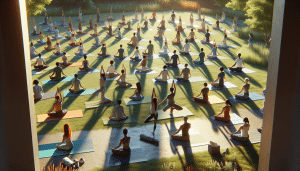
4. Mindful Movement with Yoga
Combine gentle movement with breath awareness.
- How It Works: Practice a 10-minute yoga flow (e.g., cat-cow, child’s pose) via Yoga Studio or YouTube, with a 2-minute mindfulness break post-session.
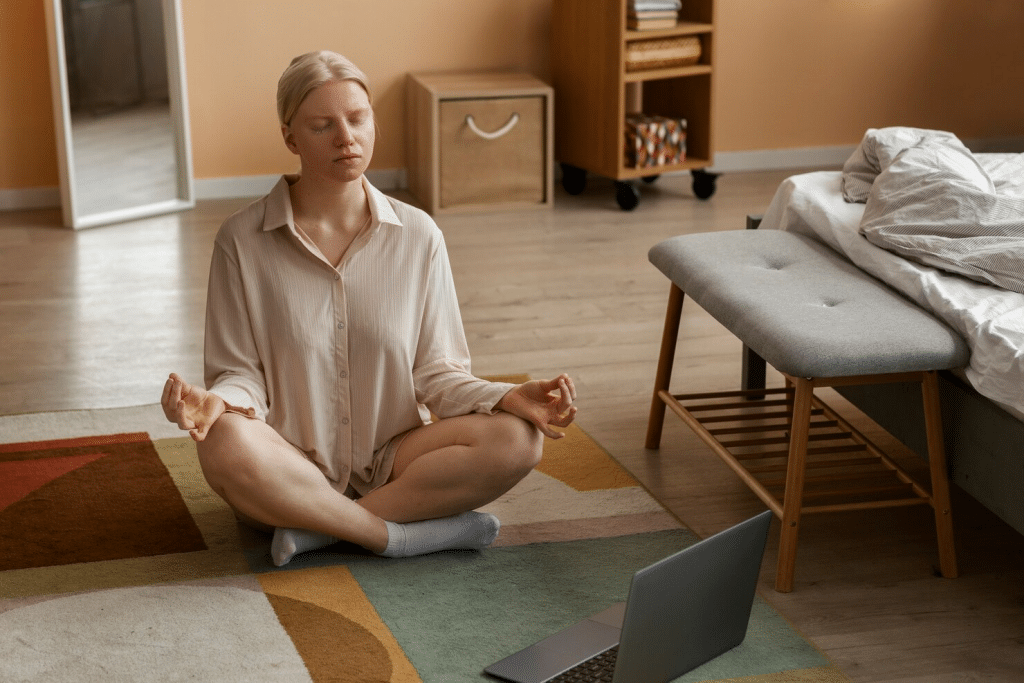
- Real-Life Impact: A parent does yoga at home, feeling calmer and more grounded for family tasks.
- Benefit: Integrates physical and mental mindfulness for balance.
- Tip: Try one yoga flow session before bed this week.
5. Nature Walks for Sensory Connection
Engage with nature to anchor in the present.
- How It Works: Take a 15-minute walk in a park or backyard, focusing on sights and sounds, tracked with MapMyWalk, with a 3-minute stretch break afterward.
- Real-Life Impact: A retiree walks mindfully, reducing stress and feeling more connected to their surroundings.
- Benefit: Boosts mood and sensory awareness, grounding the mind.
- Tip: Plan one mindful walk in a local park this weekend.
6. Evening Digital Detox
Unplug to foster calm and reflection.
- How It Works: Avoid screens for 30 minutes before bed, using Freedom or a timer, engaging in reading or meditation, with a 3-minute breathing break afterward.
- Real-Life Impact: A professional practices digital detox, improving sleep and morning clarity.
- Benefit: Reduces overstimulation, enhancing mindful rest.
- Tip: Start one screen-free evening routine this week.
Practical Strategies for Mindful Wellness Routines
Here’s how to implement these routines effectively:
1. Start with One Mindfulness Practice
Test a single routine to build presence.
- How to Do It: Begin with a morning meditation or micro-break, using free resources like YouTube or Mindful.org.
- Why It Helps: Delivers quick calm and focus with minimal effort.
- Tip: Try one meditation or micro-break today.
2. Leverage Technology for Guidance
Use apps to support mindfulness habits.
- How It Works: Track with Headspace or Day One, aligning with 2025’s digital wellness trends.
- Why It Helps: Provides structure and tracks progress for consistency.
- Tip: Download one mindfulness app, like Calm, this week.
3. Incorporate Energy-Sustaining Breaks
Schedule short breaks to maintain mindfulness momentum.
- How It Works: Take 2–3 minute breathing or stretching breaks, tracked with Breathwrk, during routines.
- Why It Helps: Prevents fatigue and deepens present-moment focus.
- Tip: Add one break after a mindfulness session today.
4. Prioritize Accessible Tools
Choose low-cost or free mindfulness resources.
- How It Works: Use free apps like Insight Timer or local parks for nature walks.
- Why It Helps: Makes mindfulness inclusive and sustainable.
- Tip: Find one free mindfulness resource, like a meditation video, this week.
5. Join Mindfulness Communities
Connect with others for support and inspiration.
- How It Works: Engage in X mindfulness groups or Meetup events to share practice tips.
- Why It Helps: Fosters accountability and motivation.
- Tip: Join one X mindfulness thread this month.
Sample Routine for Mindful Wellness
Here’s a routine to cultivate mindfulness daily:
- Daily:
- Morning (5 minutes): Meditate or journal intentions.
- Evening (5 minutes): Log reflections or practice digital detox.
- Weekly:
- Sunday (10 minutes): Plan a yoga or nature walk session.
- Monthly:
- First Sunday (15 minutes): Review mindfulness progress.
- Quarterly:
- First week (20 minutes): Set new mindfulness goals.
Overcoming Common Mindfulness Challenges
- Challenge: Time constraints.
Solution: Focus on 2–5 minute micro-practices like breathing breaks. - Challenge: Distractions.
Solution: Use apps or quiet spaces for focus. - Challenge: Lack of motivation.
Solution: Join communities or use gamified apps for engagement.
Tools to Support Mindful Wellness
- Meditation: Calm, Headspace for guided sessions.
- Journaling: Day One for emotional tracking.
- Movement: Yoga Studio for mindful flows.
- Tracking: MapMyWalk, Freedom for walks and detox.
- Community: X, Meetup for mindfulness support.
The Bigger Picture: Mindfulness in 2025
In 2025, mindfulness wellness routines leverage micro-practices, digital tools, and nature to foster mental clarity and resilience. Meditation, yoga, and digital detox align with wellness and sustainability trends, creating calm, vibrant lives. By using apps and communities, individuals cultivate lasting mindfulness.
Conclusion: Encourage Mindfulness with Wellness Routines in 2025
Wellness routines in 2025, like guided meditation, micro-breaks, and nature walks, encourage mindfulness with accessible, sustainable practices. Start with one routine, use apps for guidance, and take breaks to stay engaged. Begin today with a meditation session or joining an X mindfulness group, and foster a vibrant, centered life.
References:
Mindful Living 2025
https://www.healthline.com/mindful-living-2025/
Mindfulness Trends 2025
https://www.mindbodygreen.com/mindfulness-trends-2025/
Wellness Practices 2025
https://www.verywellmind.com/wellness-practices-2025/

 Steps to Build Strong Leadership Skills