Surprising Benefits of Gut Health You Might Notice
Camila Torres October 26, 2025
Better gut health impacts more than digestion. Discover how nurturing your microbiome can influence mood, energy, and immune strength. This in-depth guide explores key factors that shape your gut health, practical daily tips, and ways many people are rethinking nutrition for lasting wellness.
The Gut Microbiome’s Role in Wellness
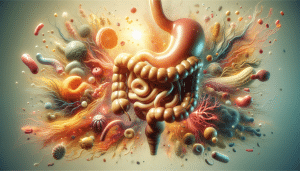
Inside the digestive system lives an entire ecosystem of bacteria known as the gut microbiome. These microbes do much more than help digest food. Recent research has highlighted their influence over everything from nutrient absorption to immune responses. The balance of beneficial and harmful bacteria can determine how the body reacts to inflammation and even its susceptibility to certain illnesses. Paying attention to gut health is quickly becoming a central part of overall wellness routines.
Keyphrase integration into daily wellness habits starts with understanding that over 70% of the immune system is connected with the gut. When microbiome diversity thrives, so does the body’s resilience. A well-nourished gut helps produce certain vitamins, regulates hormones, and may even play a role in reducing mental fog. Supporting this ecosystem is not about one isolated habit but a collection of small choices made throughout a person’s day, from meals to self-care patterns.
Interest in gut wellness has surged as more studies show its links to energy, sleep quality, and stress. What’s fascinating is how the balance in our gut can change based on lifestyle factors, such as physical activity, fiber intake, and hydration. Many are surprised to learn that even moderate exercise can lead to increased populations of beneficial bacteria. These findings motivate people to adopt more mindful routines for holistic health, not just for digestion but for a happier, more energetic life overall (see https://medlineplus.gov/guthealth.html).
Nutrition That Nurtures the Gut
Nutrition is one of the most powerful tools available for anyone looking to support their gut microbiome. High-fiber foods like leafy greens, oats, and beans act as prebiotics, feeding the helpful bacteria. Fermented foods such as yogurt, kimchi, and kefir introduce probiotics—live beneficial microbes. Including both forms in meals offers a simple way to boost gut health and overall digestive comfort. The interplay between a colorful diet and a resilient microbiome is stronger than many expect.
Refined sugars and overly processed foods, on the other hand, can have negative effects on gut balance. A diet that’s consistently high in sugar may lead to reduced microbial diversity, which has been linked to lower immune function and greater gut sensitivity. Many nutrition experts recommend gradually reducing sugar consumption and choosing whole grains, nuts, and fruit as natural replacements. The consistency of these habits creates a positive foundation for the gut.
Hydration is another often-overlooked aspect. Staying hydrated helps move nutrients through the digestive tract and supports the lining that houses the gut’s microbial community. Drinking water before and between meals is a straightforward yet scientifically supported strategy, and some find that herbal teas offer additional comfort. Over time, a focus on simple, nourishing foods and plenty of fluids lays the groundwork for lasting digestive well-being and improved energy (see https://www.hsph.harvard.edu/nutritionsource/healthy-gut/).
Movement, Sleep, and Stress Connection
The gut-brain axis refers to the complex communication network linking digestive health and nervous system wellness. This connection means that what’s good for stress reduction and sleep may also benefit the gut, and vice versa. Studies show that regular movement—from walking to yoga—does more than keep the body fit; it also tends to increase the abundance of friendly gut bacteria. Active lifestyles encourage diversity and resilience within the microbiome, reinforcing overall wellness.
Sleep is another essential element. Restful periods give both the body and gut time to repair and regenerate. Inadequate sleep has been tied to changes in gut composition, sometimes reducing the numbers of helpful bacteria. Creating a regular sleep schedule, building a soothing pre-bedtime routine, and limiting screen time can help. These habits support not only better digestion but clearer thinking and more stable moods. Small changes can yield remarkable results over time.
Chronic stress has well-documented impacts on gut health. High stress can alter digestion, trigger inflammation, and even allow harmful bacteria to outnumber beneficial strains. Practices such as deep breathing, mindfulness, or connecting with supportive people can calm the gut-brain pathway. Many have found that addressing stress early—before it becomes unmanageable—helps keep their digestive health on track. Adopting new routines for movement, rest, and relaxation benefits both mind and body (see https://www.ncbi.nlm.nih.gov/pmc/articles/PMC5641835/).
Everyday Habits that Improve Gut Function
Simple, daily habits often have the greatest effect on gut health in the long run. One such habit is mindful eating—slowing down during meals to fully taste each bite. This practice not only improves digestion by allowing food to be chewed more thoroughly but can also make it easier to recognize hunger and fullness signals. Over time, mindful eating has been linked to better gut comfort and fewer digestive complaints.
Another impactful routine is regular meal timing. Skipping meals or eating at irregular hours can disturb the internal clocks that help regulate digestion. Studies suggest that having meals at roughly the same times each day supports strong digestive rhythms and a healthier microbiome. While flexibility is sometimes needed, aiming for a general pattern can make a significant difference in comfort and energy levels.
Eliminating unnecessary antibiotics and consulting with healthcare professionals before using supplements are other beneficial practices. While antibiotics can be critical for fighting infections, overuse may disrupt healthy gut flora. Choosing treatments carefully, and prioritizing evidence-backed options, helps the microbiome recover and thrive. Many people now advocate discussing all medications with a healthcare provider, especially those that might affect digestion (see https://www.cdc.gov/antibiotic-use/index.html).
Warning Signs and When to Seek Advice
Gut problems can show up in various forms, from frequent bloating and discomfort to ongoing changes in bowel habits. Sudden shifts that persist more than a week may signal underlying issues needing professional evaluation. Some people notice energy slumps, mood changes, or unexpected food sensitivities. While occasional symptoms are common, persistent or severe issues should not be ignored.
When researching gut symptoms, it’s important to focus on reliable sources rather than self-diagnosing or following anecdotal suggestions. Gastroenterologists and registered dietitians are specially trained to investigate digestive complaints and recommend evidence-based solutions. They can provide personalized guidance about testing, dietary adjustments, or, if necessary, targeted therapies. Seeking advice early ensures the best chance for effective support and prevention.
Individuals with chronic health concerns, multiple symptoms, or a family history of digestive illness should pay special attention to gut changes. Regular checkups, clear communication with professionals, and tracking symptom patterns can help clarify next steps. Using trustworthy medical resources supports safer choices and encourages proactive management of gut health long into the future (see https://www.niddk.nih.gov/health-information/digestive-diseases).
Long-Term Secret to Gut Health Success
Lasting gut health comes from a combination of knowledge, patience, and flexible habits. It’s rarely about rigid diets or instant changes. Instead, many people find success by gradually building routines that fit their unique lifestyles. This adaptable approach makes it easier to maintain healthy changes when life gets busy or stressful. Over time, these small daily habits add up to powerful, sustainable improvements in well-being.
Social support and self-education play vital roles. Sharing recipes, joining wellness groups, or even exploring nutrition topics with friends can spark curiosity and motivation to try new foods. Wellness apps, meal planners, and food diaries are useful for tracking both progress and patterns over time. These tools help build lasting mindfulness about what works for each individual, and what might need adjustment. Personalized care leads to the greatest rewards.
Ultimately, gut wellness is an ongoing process. Our bodies and needs change through seasons of life, so keeping an open mind is key. New research uncovers fresh insights every year, giving everyone the chance to experiment and refine their habits. Embracing flexibility, staying informed, and keeping curiosity alive set the stage for a lifetime of digestive comfort, increased energy, and improved overall wellness (see https://www.cdc.gov/nutrition/index.html).
References
1. MedlinePlus. (n.d.). Gut health. Retrieved from https://medlineplus.gov/guthealth.html
2. Harvard T.H. Chan School of Public Health. (n.d.). The nutrition source: The healthy gut. Retrieved from https://www.hsph.harvard.edu/nutritionsource/healthy-gut/
3. NIH NCBI. (n.d.). The gut-brain axis: Interactions between enteric microbiota, central and enteric nervous systems. Retrieved from https://www.ncbi.nlm.nih.gov/pmc/articles/PMC5641835/
4. Centers for Disease Control and Prevention. (n.d.). Antibiotic use. Retrieved from https://www.cdc.gov/antibiotic-use/index.html
5. National Institute of Diabetes and Digestive and Kidney Diseases. (n.d.). Digestive diseases. Retrieved from https://www.niddk.nih.gov/health-information/digestive-diseases
6. Centers for Disease Control and Prevention. (n.d.). Nutrition. Retrieved from https://www.cdc.gov/nutrition/index.html

 Secrets You Didn’t Know About Eco-Friendly Travel