Silent Clues Your Gut Tries to Tell You
Camila Torres October 30, 2025
Explore the surprising links between gut health and your overall wellness, including how digestive balance affects sleep, mood, immunity, and even skin. This practical guide shares the most talked-about signs, tips, and strategies for anyone looking to support a healthier digestive system.
The Gut and Whole-Body Wellness
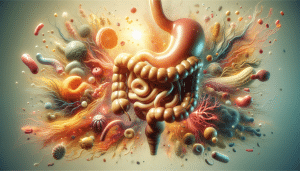
Gut health continues to attract attention as studies reveal its deep-rooted connection to almost every system in the body. The digestive tract is not just about breaking down food—it acts as a major communication hub for the brain, immune system, and metabolic processes. Signals from the gut influence moods, energy levels, and even how well the skin looks. Probiotics, prebiotics, and a balanced microbiome play powerful roles in this complex relationship. Supporting digestion is no longer just about addressing discomfort; it’s about optimizing how the entire body functions.
Scientists call the gut the ‘second brain’ because its nerves and bacteria constantly interact with other organs. If this system falls out of balance, you might notice subtle changes—perhaps a drop in energy, feeling sluggish after meals, or unexpected shifts in mood. It’s not uncommon for digestive issues to show up as headaches, poor focus, or breakouts, indicating gut-driven inflammation. Small changes in the gut can have wide-ranging impacts far beyond the stomach. Recognizing this interconnection puts you in a better position to support your overall health.
Research highlights how lifestyle, dietary patterns, medication use, and chronic stress all affect gut harmony. For example, frequent antibiotics or ultra-processed foods may reduce helpful bacteria, shifting the harmony of gut flora. Meanwhile, fiber-rich diets and stress-reduction methods tend to restore balance. Supporting your digestive system means more than just eating differently; it’s about tuning into the body’s overall environment. Gut wellness truly supports the body from the inside out, influencing everything from immunity to emotional well-being (Source: https://www.cdc.gov/mentalhealth/learn/index.htm).
Subtle Signs Your Gut Needs Extra Support
Some gut warning signs are obvious, like bloating or irregularity, but others are surprisingly subtle. A common overlooked clue is a persistent sense of fatigue, no matter how much rest you get. Research suggests that an imbalanced gut microbiome can affect how nutrients are absorbed, which may lead to lower energy. Some people also notice changes in appetite, ranging from unexpected cravings to loss of interest in food. These can reflect deeper imbalances and should not be ignored.
Mental wellness can be closely tied to the gut. Mood swings, anxiety, and brain fog sometimes signal digestive strain. The gut produces neurotransmitters like serotonin—often called the ‘happiness chemical’. When gut bacteria are compromised, serotonin production can drop, affecting emotional stability and clarity. Even issues such as poor sleep or waking up tired can, at times, stem from microbial imbalances in the digestive tract (Source: https://www.nimh.nih.gov/health/topics/anxiety-disorders/index.shtml).
Skin reactions such as redness, dryness, or unexplained flare-ups may point to gut health concerns. The skin is a reflection of internal balance, and studies link digestive health with clear, resilient skin. Rashes, hives, and acne have all been noted in medical literature as potential signs of gut-triggered inflammation. By listening for these subtle signals, you can take meaningful steps to give your digestive tract the care it needs—often improving both how you feel and how you look.
Foods and Habits That Nurture Digestion
Eating for gut health is more than just choosing ‘healthy’ foods. Diversity is key. Consuming a range of fiber-rich fruits, vegetables, whole grains, and legumes helps nourish the trillions of bacteria living in your intestines. These fibers act as prebiotics, which fuel good bacteria and allow them to thrive. Fermented foods like yogurt, kefir, kimchi, and sauerkraut offer beneficial probiotics, restoring microbial harmony. Adopting these habits can help relieve common issues like bloating, constipation, and discomfort.
Sugar and processed food intake are best kept minimal, as they may feed less-desirable gut microbes and contribute to inflammation. Hydration also plays an underappreciated role. Drinking enough water promotes smooth movement through the digestive tract, supporting both absorption of nutrients and waste elimination. Slow, mindful eating is another underrated gut-friendly habit. When meals are eaten too quickly, it can disrupt natural digestive rhythms and cause unnecessary distress.
Balancing food choices doesn’t mean cutting out everything you love. Instead, it’s about creating a pattern where gut-nourishing options outweigh more disruptive ones. Planning meals ahead, reading food labels, and focusing on whole-food ingredients make a major difference in digestive wellness. By nurturing your gut daily, you’re more likely to enjoy stable energy, a stronger immune response, and improved resilience against stress. Each small change accumulates, driving overall transformation in health (Source: https://www.hsph.harvard.edu/nutritionsource/healthy-eating-plate/).
Gut-Brain Connection and Mental Clarity
The communication between the gut and brain goes both ways. Signals from digestive bacteria reach the brain, influencing emotions, focus, and how stress is handled. This is called the gut-brain axis, and it works through a web of nerves, hormones, and immune messengers. When the gut is imbalanced, you may notice mood changes, irritability, or even sharper feelings of stress. When gut health improves, cognitive function and emotional balance often improve as well.
Stress significantly affects the gut. Under pressure, the digestive system speeds up or slows down, which can cause both discomfort and changes in how nutrients are absorbed or processed. Meditation, yoga, and breathing exercises have been shown in medical research to positively influence gut rhythms by regulating the stress response. Mindfulness not only calms the mind but also helps foster an optimal environment for gut bacteria to thrive (Source: https://www.health.harvard.edu/mind-and-mood/the-gut-brain-connection).
Prioritizing both mental and digestive well-being offers clear mutual benefits. By syncing routines like regular movement, relaxation, and balanced meals, people often notice a boost in focus and steadier moods. This cyclical support proves that concerned minds and healthy guts form a feedback loop worth nurturing at every stage of life.
Role of Sleep, Exercise, and Immune Function
Sleep and exercise aren’t always the first things linked to digetive health, but they play vital roles. Quality sleep helps regulate circadian rhythms in the gut, which can determine how efficiently it processes food and repairs the lining of the digestive tract. Lack of deep rest may increase gut permeability and drive unwanted inflammation.
Physical activity acts as a natural stimulant for gut motility, promoting regularity and a healthy population of gut flora. Even moderate walking is beneficial. People who move regularly often report improved digestion and fewer bouts of discomfort. Exercise also helps curb the effects of stress, further protecting digestive balance (Source: https://www.sleepfoundation.org/physical-health/how-sleep-affects-your-immunity).
Gut health and immunity share a powerful link. Around 70% of immune cells reside in the digestive tract, where they help distinguish between friend and foe. A resilient gut shields against infections and reduces overall inflammation, supporting long-term vitality. This kind of defense grows stronger when sleep and exercise are part of the routine. Together, lifestyle and healthy habits reinforce that physical and immune wellness starts with a well-supported gut.
Practical Tips to Start Your Gut Wellness Journey
Embarking on a journey to improved gut health doesn’t demand radical change. Try starting with small, consistent tweaks to your daily choices. Adding one or two new vegetables to your week, increasing water intake, and chewing food more slowly make noticeable differences. Tracking subtle changes in your energy or mood can provide insight into what helps your gut flourish.
When facing ongoing digestive troubles, it may be wise to consult a medical professional. Registered dietitians, nutritionists, and gastroenterologists are trained to decipher long-term patterns and can guide you toward sustainable shifts. Trusted organizations, such as the American Gastroenterological Association, offer many publicly available resources that help you learn how to develop a gut-friendly lifestyle (Source: https://gastro.org/practice-guidance/gi-patient-center/topic/the-gut-microbiome/).
Above all, people find the most success when they personalize habits, explore different foods, and stay open to adapting routines. Whether you prefer plant-based meals, frequent walks, or mindful relaxation, every gut-friendly choice is a step toward improving wellness from within. Over time, these small shifts add up to a genuine transformation in both digestive and total-body health.
References
1. Centers for Disease Control and Prevention (CDC). (n.d.). Mental Health and Wellness. Retrieved from https://www.cdc.gov/mentalhealth/learn/index.htm
2. National Institute of Mental Health. (n.d.). Anxiety Disorders. Retrieved from https://www.nimh.nih.gov/health/topics/anxiety-disorders/index.shtml
3. Harvard T.H. Chan School of Public Health. (n.d.). The Nutrition Source: Healthy Eating Plate. Retrieved from https://www.hsph.harvard.edu/nutritionsource/healthy-eating-plate/
4. Harvard Health Publishing. (n.d.). The gut-brain connection. Retrieved from https://www.health.harvard.edu/mind-and-mood/the-gut-brain-connection
5. Sleep Foundation. (n.d.). How Sleep Affects Your Immunity. Retrieved from https://www.sleepfoundation.org/physical-health/how-sleep-affects-your-immunity
6. American Gastroenterological Association. (n.d.). The Gut Microbiome. Retrieved from https://gastro.org/practice-guidance/gi-patient-center/topic/the-gut-microbiome/

 You Won’t Believe What Quantum Computing Could Do