Fitness Routines That Fit Into Busy Schedules
Camila Torres September 18, 2025
In a world where work, family, and obligations crowd out gym time, short smart workouts are emerging as the go-to solution for staying healthy without sacrificing hours. If you’re constantly pressed for time, this trend could transform how you stay fit and energized.
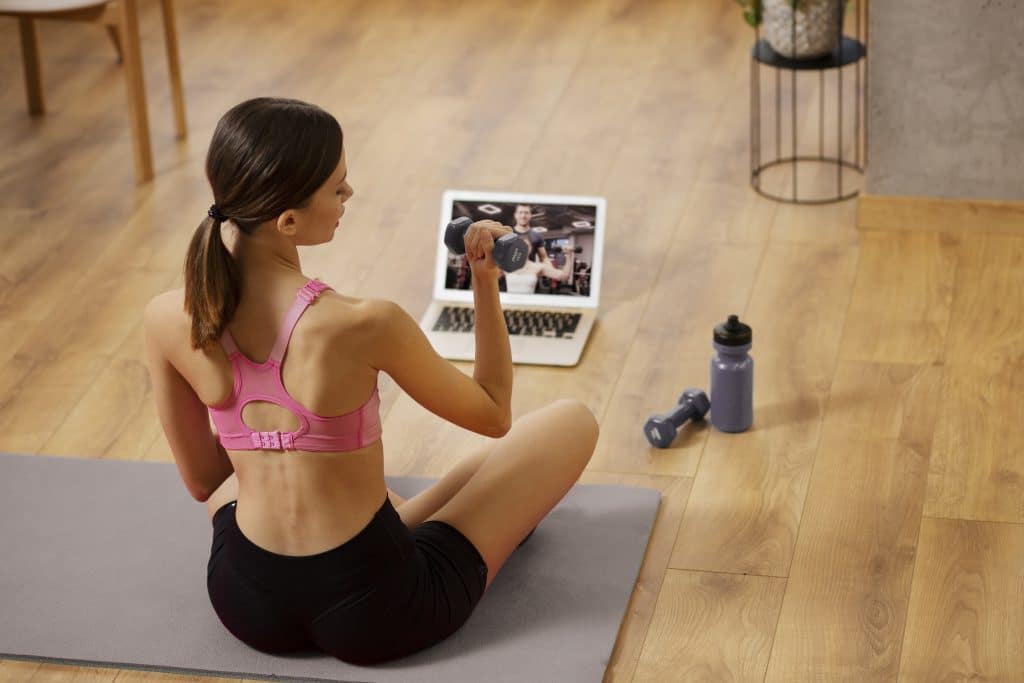
Why Short Smart Workouts Are Taking Over
Time-Efficiency Is the New Gold Standard
One of the biggest shifts in fitness today is the move toward shorter, more intense workout formats. These workouts, including High-Intensity Interval Training (HIIT), can deliver the same — or even better — benefits than traditional hour-long sessions. With the average workout length dropping to just 20 minutes for most busy adults, programs are being redesigned to fit into morning routines, lunch breaks, or even quick post-dinner sessions.
According to the American College of Sports Medicine (2025), time-efficient training continues to top the list of global fitness trends, signaling a permanent shift in how people approach physical wellness (ACSM 2025).
Personalized Performance Using Wearables
Smart devices are no longer just step-counters. Today’s wearables provide real-time insights into heart rate variability, sleep quality, oxygen saturation, and even muscle recovery status. This data helps tailor short smart workouts based on individual readiness and fatigue levels, preventing burnout and optimizing gains. Companies like Whoop and Garmin are investing heavily in AI-driven analytics that make workout personalization easier than ever (FitBudd 2025).
The Rise of Recovery and Balance
One overlooked benefit of short smart workouts is the way they naturally prioritize recovery. Since the sessions are short and often intense, adequate rest becomes essential. In fact, recovery strategies—mobility work, active stretching, and proper sleep—are now seen as essential components of a complete fitness plan.
As Men’s Journal reported in their 2025 fitness trends report, the new generation of fitness enthusiasts is far more focused on long-term sustainability and injury prevention rather than punishing routines (Men’s Journal 2025).
Formats of Short Smart Workouts That Work
Short smart workouts aren’t just one-size-fits-all. Depending on your schedule, goals, and preferences, you can mix and match different formats:
| Workout Type | Duration | Ideal For | Description |
|---|---|---|---|
| HIIT (High-Intensity Interval Training) | 15–25 min | Fat loss, cardio health | Alternating intense bursts with rest periods |
| Circuit Training | 20–30 min | Strength + cardio blend | Rotate through strength and cardio stations with minimal rest |
| Micro-Workouts | 3–10 min per session | Busy professionals | Short bursts of exercise multiple times a day |
| Hybrid Workouts | 20–30 min | Balanced fitness | Mix of resistance, core, and cardio movements |
| Walk & Tone | 30 min | Low-impact recovery days | Gentle walk paired with light resistance moves |
This modular design lets users build workouts that are both consistent and varied. Whether you’re a morning person, night owl, or someone always on-the-go, there’s a format to suit your lifestyle and schedule.
What’s New in the World of Fast Fitness?
Adaptive HIIT: Listening to Your Body
Gone are the days of fixed-intensity workouts. Adaptive HIIT now uses biometrics to adjust the intensity, duration, and rest intervals. If your wearable detects fatigue or poor sleep, the app will auto-adjust your routine to prevent overexertion. This technology helps ensure progress without risking injury or burnout.
Weekend Warrior Routines: Still Effective
Research from JAMA Neurology found that individuals who engage in all their weekly vigorous activity across just two days still reap major brain health benefits. For many with a busy workweek, this model provides freedom without guilt (Wang et al. 2023). It’s not how often you move—it’s how effectively.
Movement Snacking: Fitness in Bites
Multiple brief bouts of movement throughout the day—like a two-minute stair climb or five minutes of stretching—can improve metabolic health and counteract the negative effects of prolonged sitting. These “snacks” of movement are especially helpful for those in desk-bound jobs or work-from-home setups where sedentary time is hard to avoid.
How to Build Your Own Short Smart Routine
- Audit Your Schedule
Identify three days a week where you can block 15–30 minutes for focused workouts. Also, highlight time slots during work breaks or before bed where you can do 5-minute movement sessions. - Choose 2 Core Formats
Select 1 main format (e.g., HIIT or Hybrid) and 1 supplemental method (e.g., Micro-Workouts) that suit your energy levels and preferences. - Incorporate Recovery
Devote one day a week to mobility and stretching. If you’re sore, opt for a Walk & Tone or yoga session rather than skipping movement entirely. - Track Progress & Adjust
Use basic tracking—whether via apps, spreadsheets, or wearable insights—to monitor energy levels, performance, and soreness. Adjust workouts based on what the data (and your body) tells you. - Stay Flexible
Life happens. Some days you’ll have 30 minutes, others you’ll have 5. Both can be productive if approached mindfully. The goal is progress, not perfection.
Sample Week Plan for Busy Professionals
| Day | Workout | Time |
|---|---|---|
| Monday | HIIT (Lower Body) | 25 min |
| Tuesday | Micro-sessions (2×5 min mobility + stair climbs) | 10–15 min |
| Wednesday | Full-body circuit training | 30 min |
| Thursday | Light walk + resistance bands | 30 min |
| Friday | Hybrid session (Push, Core, Cardio) | 20 min |
| Saturday | Optional longer session (yoga, hike, or sports) | 45–60 min |
| Sunday | Rest or gentle stretch session | 15 min |
This weekly outline helps build momentum, introduces variety, and ensures you aren’t repeating the same movements excessively.
The Benefits: Why This Trend Matters
- Sustainability: It’s easier to stay consistent when the workouts are short and flexible.
- Improved Adherence: People are more likely to complete short routines regularly than commit to longer sessions sporadically.
- Science-Backed Effectiveness: Research supports that short smart workouts improve VO2 max, insulin sensitivity, and metabolic health just as well as longer sessions when performed at sufficient intensity (Gillen and Gibala 2014).
- Mental Health Boost: Even 10 minutes of movement can improve mood, concentration, and reduce stress. It’s not about crushing yourself—it’s about showing up.
Final Thoughts
Short smart workouts are more than a convenience—they’re a lifestyle. With personalization through wearables, data-backed scheduling, and creative structuring, even the busiest people can find time to move. Whether you’re chasing fat loss, strength, or simply a clear mind, these bite-sized sessions make fitness more accessible and sustainable than ever. As life grows faster, your workouts can get smarter.
References
- Gillen, J. B., & Gibala, M. J. (2014). Is high‑intensity interval training a time‑efficient exercise strategy to improve health and fitness? Available at: https://pubmed.ncbi.nlm.nih.gov (Accessed: 18 September 2025)
- Min, J., et al. (2024). Accelerometer‑derived “weekend warrior” physical activity and brain health: findings from the UK Biobank. Nature / Springer. Available at: https://pubmed.ncbi.nlm.nih.gov (Accessed: 18 September 2025)
- Ning, Y., et al. (2024). Association between “weekend warrior” physical activity and the incidence of neurodegenerative diseases. Neurotherapeutics. Available at: https://www.neurotherapeuticsjournal.org (Accessed: 18 September 2025)

 Top Travel Destinations for Food Enthusiasts