Fitness Routines That Fit Remote Work Schedules
Camila Torres September 29, 2025
If you’re working from home and struggling to stay active, this article is for you. We’ll explore fitness routines remote work schedules that slot into your day — not compete with it — and back them with current trends and data.
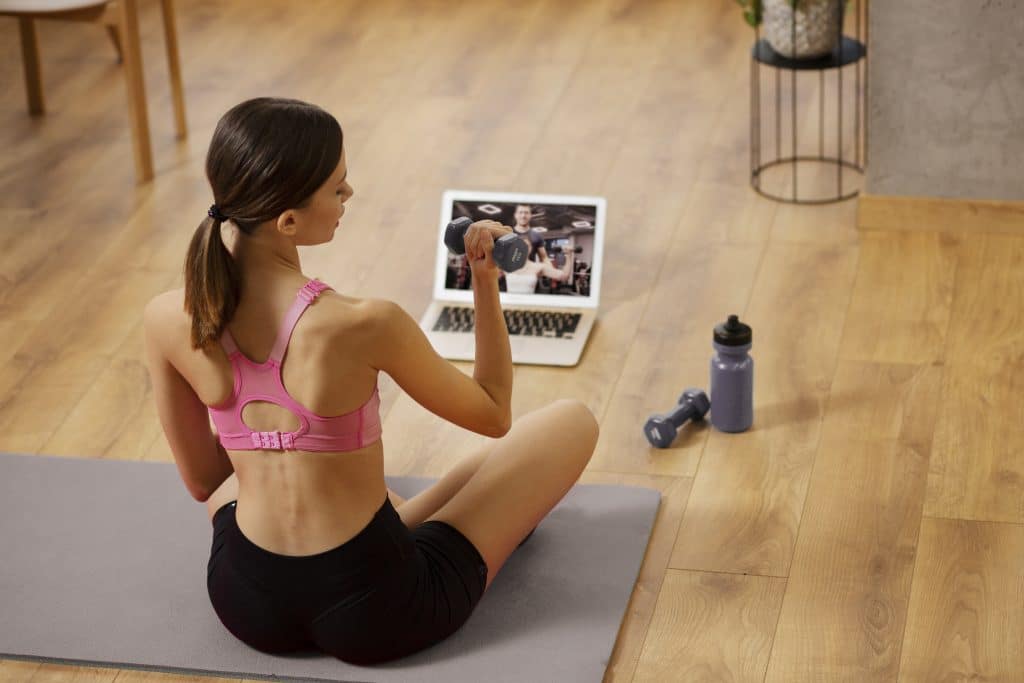
Why Remote Workers Need Tailored Routines
The remote work revolution is here to stay. According to a Gallup study, 8 in 10 people now work remotely or in a hybrid model. While that brings flexibility, it also introduces some serious health downsides — namely a sedentary lifestyle and lack of physical activity.
Remote workers tend to move less, sit longer, and miss out on the natural incidental movement that comes with commuting and office breaks. A 2023 systematic review published by the National Institutes of Health concluded that remote work increases sedentary behavior by as much as 34% compared to office-based work (Nguyen et al. 2023).
This isn’t just about comfort or energy levels. Long hours of sitting have been linked to cardiovascular problems, poor posture, and even depression. That’s where fitness routines remote work schedules become essential — not optional.
Micro-Workouts: The Winning Format for Remote Lifestyles
You don’t need an hour-long gym session to stay fit. In fact, the most effective routines for remote workers are designed in micro-sessions — 5 to 15 minutes long and strategically placed throughout the day.
Benefits of Micro-Workouts:
- Zero excuses: You can do them between meetings or while waiting for lunch to heat.
- Better consistency: Easier to commit to small bursts rather than large blocks.
- Improved energy and focus: Regular movement boosts cognitive performance and focus.
The American College of Sports Medicine (ACSM) emphasizes that short, frequent bouts of activity can be just as effective as longer sessions when performed consistently and with sufficient intensity (ACSM 2024).
Sample Daily Remote Work Fitness Routine
Here’s a practical example of how to integrate micro-fitness into your remote day:
Morning Routine (8:00 AM – Before Logging In)
- 10-min dynamic stretch flow (neck rolls, arm swings, hip openers)
- 2 rounds of:
- 10 air squats
- 10 push-ups
- 10 lunges (each leg)
Goal: Wake up the body, stimulate blood flow, and set the tone.
Mid-Morning Break (10:30 AM)
- 5-min brisk walk around the house or in place
- 2-min wall sit
- 10 standing shoulder presses (use water bottles or books)
Goal: Break long sitting periods, reset your posture.
Lunch Reset (12:30 PM)
- 10-min HIIT burst (20s work / 10s rest format):
- Jumping jacks
- Plank hold
- High knees
- Mountain climbers
Goal: Burn energy, improve cardio, clear mental fog.
Afternoon Reboot (3:30 PM)
- 10 standing calf raises
- 30-second chair dips
- 5-min guided breathwork or yoga (many free apps available)
Goal: Prevent afternoon slump, refresh before the final stretch.
Evening Wind Down (6:00 PM)
- 15-min low-intensity yoga or foam rolling
- Optional walk outside if sunlight permits
Goal: Relax your nervous system, prevent sleep-disrupting tension.
Fitness Trends That Support Remote Workers
You don’t have to do this alone. The latest fitness tech and trends make it easier than ever to build fitness routines remote work schedules. Here’s what’s hot in 2025:
1. Wearable Tech
Smartwatches and fitness bands are helping remote workers stay accountable. By tracking steps, heart rate, and even posture, devices like Fitbit or Garmin have become virtual coaches on your wrist. ACSM ranked wearable tech as the top global trend for 2024–2025 (ACSM 2024).
2. On-Demand Fitness Apps
Apps like Fitbod, Seven, and Nike Training Club offer curated workouts based on your goals and time available. Many feature micro-routines that fit neatly into 5–15 minute windows, ideal for remote professionals.
3. Virtual Reality (VR) Workouts
Emerging platforms like Supernatural and Les Mills Bodycombat VR are bringing immersive exercise into living rooms. A study by Stanford’s Virtual Human Interaction Lab found VR workouts boost engagement and adherence due to gamified features (Bailenson et al. 2023).
The Psychology Behind Staying Active at Home
It’s not just about time management; it’s also about mindset. Many remote workers struggle with motivation, especially when no one’s watching.
Try These Tricks to Stay On Track:
- Make it visible: Keep your mat or dumbbells in sight.
- Calendar it: Treat workout times like client calls.
- Pair it: Link workouts with another habit (e.g., after coffee).
- Use rewards: Tie workouts to something enjoyable like a music playlist or post-session smoothie.
Also, consider joining online communities or accountability groups. Whether it’s a Slack channel or a weekly Zoom class, social connection adds a layer of motivation you can’t ignore.
Mobility and Posture: The Overlooked Essentials
It’s not just about calorie burn. Working remotely often leads to poor posture and mobility issues — tight hips, rounded shoulders, and tech neck. These can be addressed through daily mobility drills:
- Thoracic spine rotations
- Wall angels
- Hip flexor stretches
- Cat-cow pose
- Neck glides
Regular posture resets (even for just 3 minutes) can prevent long-term damage and improve breathing, energy, and confidence.
Final Tips to Make It Stick
- Start small: If you’re overwhelmed, just commit to 5 minutes per day.
- Keep it fun: Rotate your routine every week to avoid boredom.
- Track your progress: Even a basic checklist builds momentum.
- Invest wisely: A good yoga mat, resistance bands, or under-desk bike can go a long way.
- Rest: Take at least one full day each week for active recovery or complete rest.
Conclusion
With the right tools, mindset, and structure, fitness routines remote work schedules can be practical, effective, and even enjoyable. You don’t need to overhaul your entire daily routine — just add smart, bite-sized movement sessions where they naturally fit. The long-term benefits — improved focus, mood, health, energy, and performance — far outweigh the short time commitment.
References
- Wells, J. et al. (2023). A Systematic Review of the Impact of Remote Working on Physical Health. Available at: https://pmc.ncbi.nlm.nih.gov (Accessed: 29 September 2025)
- American College of Sports Medicine. “Fitness Trends 2024: A Guiding Light for the Year Ahead.” Available at: https://acsm.org (Accessed: 29 September 2025)
- Dzakpasu, F. Q. S., et al. (2021). “Musculoskeletal pain and sedentary behaviour in occupational and non‑occupational settings: a systematic review with meta‑analysis,” Available at: https://ijbnpa.biomedcentral.com (Accessed: 29 September 2025)

 Travel Experiences That Inspire Creativity and Reflection