Nutrition Tips That Support Healthy Aging
Camila Torres September 23, 2025
As we age, taking care of our health becomes more critical than ever. One of the most impactful ways to slow the aging process and maintain vitality is through proper nutrition. Emerging trends in healthy aging are placing an increased focus on dietary choices that promote longevity, prevent chronic diseases, and enhance overall well-being. In this article, we’ll dive into the current hot topics around nutrition and how specific strategies can help support healthy aging.

1. The Rise of Plant-Based Diets for Aging Well
A plant-based diet, rich in fruits, vegetables, whole grains, and legumes, reduces the risk of chronic conditions such as heart disease, diabetes, and cancer, and it is scientifically backed as a method to improve longevity. The Mediterranean diet, often touted as one of the best for aging, emphasizes plant-based foods alongside moderate amounts of healthy fats from olive oil and nuts, and lean protein sources like fish.
Studies have found that eating more plant-based foods can reduce inflammation and oxidative stress, two key factors that contribute to aging and age-related diseases. The high fiber content in plant-based foods is also beneficial for digestive health, which tends to decline with age.
2. Intermittent Fasting: A Trend for Longevity
Intermittent fasting has emerged as one of the most popular trends in the nutrition space for healthy aging. This dietary approach involves cycling between periods of eating and fasting. Intermittent fasting not only regulates body weight and improves metabolic health but also promotes cellular repair and enhances brain function.
Research shows that fasting periods encourage the body to activate autophagy, a process in which it breaks down and removes damaged cells. This process helps protect against diseases such as Alzheimer’s and Parkinson’s, which become more prevalent with age.
3. The Power of Antioxidants
Antioxidants are compounds found in foods like berries, dark chocolate, spinach, and nuts that combat oxidative stress — the damage caused by free radicals in the body. As we age, our body’s ability to handle oxidative stress decreases, leading to cellular damage that contributes to aging and disease.
Emerging trends in healthy aging emphasize the importance of including a variety of antioxidant-rich foods in our diets. Vitamins such as vitamin C, vitamin E, and beta-carotene, as well as polyphenols found in tea and coffee, can help protect our cells from oxidative damage and promote skin health. Additionally, research has shown that antioxidants can boost immune function, a critical aspect of healthy aging.
4. Probiotics for Gut Health and Longevity
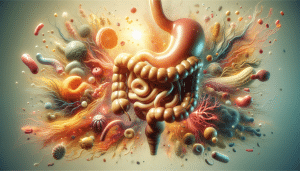
A healthy gut microbiome plays a pivotal role in overall health, especially as we age. Research has revealed that the balance of bacteria in the gut is linked to numerous health conditions, including digestion, immunity, and even mental health. As we get older, the diversity of beneficial bacteria in the gut can decrease, leading to digestive issues and a weakened immune system.
Probiotics, which are live bacteria that provide health benefits when consumed in adequate amounts, are becoming increasingly popular in the quest for healthy aging. Foods like yogurt, kefir, sauerkraut, and kimchi are all excellent sources of probiotics. Emerging research is exploring how probiotics can reduce the risk of infections, improve digestion, and enhance brain health.
5. Personalized Nutrition: Tailoring Diets for Aging Bodies
As technology advances, personalized nutrition is quickly gaining traction in the wellness and aging spaces. No longer is there a one-size-fits-all approach to diet. Genetic testing and other personalized health data are allowing individuals to adjust their diets in ways that are specifically suited to their unique nutritional needs.
For example, certain genetic variations can affect how our bodies metabolize fats, carbohydrates, and vitamins. By understanding these variations, older adults can optimize their diets to reduce inflammation, prevent weight gain, and support heart health. This shift toward individualized diets marks a significant trend in aging, offering a more scientific and targeted approach to nutrition.
6. Omega-3 Fatty Acids: A Key for Brain Health
Omega-3 fatty acids, which are found in fatty fish like salmon, walnuts, and flaxseeds, are a cornerstone of brain health. As we age, cognitive decline can become a significant concern, and research consistently shows that omega-3 fatty acids can support brain function and reduce the risk of cognitive decline.
Studies suggest that omega-3s help by reducing inflammation in the brain and improving blood flow. They are also believed to support synaptic plasticity, which is crucial for memory and learning. In fact, some experts suggest that omega-3 supplementation may play a role in staving off conditions like Alzheimer’s disease.
7. The Role of Collagen in Skin Health
Skin health often takes a hit as we age, with the body’s natural collagen production declining, leading to wrinkles, sagging, and decreased elasticity. Collagen supplements have become increasingly popular in recent years as a way to combat these signs of aging.
Emerging studies are providing evidence that collagen supplementation can help improve skin hydration, elasticity, and reduce the appearance of wrinkles. Bone broth, a food rich in collagen, is also making waves in the healthy aging world, offering a natural way to replenish collagen stores and improve joint and skin health.
Conclusion: Prioritize Nutrition for Healthy Aging
Aging gracefully isn’t just about looking young; it’s about feeling young and vibrant as you get older. By embracing these nutrition tips — from plant-based diets to omega-3s, probiotics, and intermittent fasting — you can better manage the aging process, maintain mental clarity, and prevent chronic diseases. As research into aging continues to unfold, one thing is clear: what we eat plays a critical role in how we age. Prioritizing a balanced, nutrient-rich diet today can lead to a healthier, more fulfilling future.
References
- Grosso, G., Micek, A., & Pizzoferrato, L. (2018). The role of plant-based diets in healthy aging and disease prevention. Available at: https://www.ncbi.nlm.nih.gov (Accessed: 23 September 2025)
- Longo, V. D., & Panda, S. (2016). Fasting, circadian rhythms, and time-restricted feeding in healthy aging. Available at: https://www.cell.com (Accessed: 23 September 2025)
- Hosseini, S. A., & Majid, M. (2020). Antioxidants in healthy aging: Their roles in combating oxidative stress and promoting longevity. Available at: https://www.tandfonline.com (Accessed: 23 September 2025)

 Gardening Practices That Maximize Yield