Fitness Challenges That Are Fun for Families
Camila Torres September 30, 2025
Looking to get your whole family moving without complaints? These family fitness challenges are taking over 2025—and they’re actually fun! From weekend obstacle courses to tech-powered step wars, get ready to transform lazy days into active adventures.
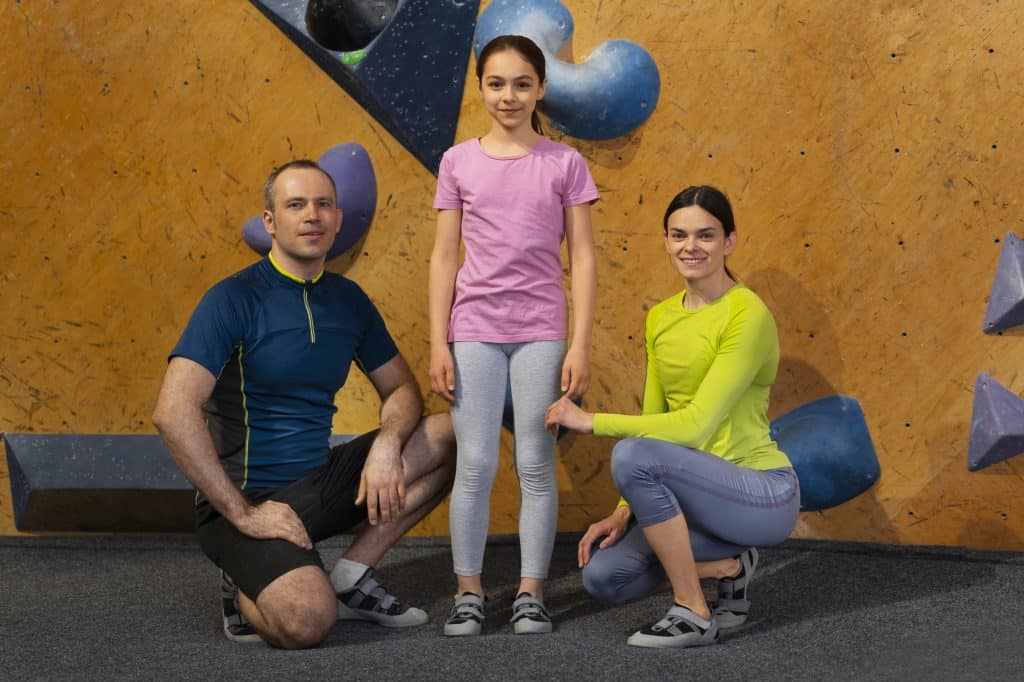
Why Family Fitness Challenges Are Booming in 2025
Physical inactivity among children has surged in the digital age, with the World Health Organization estimating that over 80% of adolescents worldwide aren’t meeting daily activity recommendations (WHO, 2022). Meanwhile, adult sedentary lifestyles aren’t far behind, particularly as remote work normalizes prolonged sitting.
But there’s a cultural shift happening.
The family fitness challenge trend is booming—partly due to a renewed focus on holistic wellness and partly because of its strong presence on platforms like TikTok and Instagram. Social media has become a breeding ground for challenge ideas, with families showcasing their progress and achievements in bite-sized, inspiring clips.
What’s more, fitness challenges aren’t just good for your heart—they’re good for your relationships too. Studies show that shared physical activity enhances communication, increases trust, and even reduces parental stress levels (American Psychological Association, 2023).
1. The Weekend Warrior Obstacle Course
This is hands down the most Instagrammable fitness trend for families right now. Set up a DIY backyard obstacle course using household items:
- Hula hoops for agility jumps
- Pool noodles for limbo sticks
- Buckets for beanbag tosses
- Chairs and ropes for crawl tunnels
Make it a tradition: every Sunday, the whole family competes. Track times and personal bests to add a competitive spark.
Why it works: It blends cardio, strength, and flexibility, disguised as messy fun. It’s also highly customizable for any age or skill level.
2. The 30-Day Step Challenge
One of the most practical and data-driven family fitness challenges: the 30-day step tracker.
Each family member uses a pedometer or smartwatch to track daily steps. The goal? Hit or exceed your personalized step target every day.
- Teens/Adults: 10,000 steps/day
- Kids under 12: 6,000–8,000 steps/day
- Elderly members: 5,000+ steps/day with doctor clearance
Sweeten the pot by offering weekly prizes—think small gift cards or the power to pick the next family outing.
Why it works: Walking is low-impact, accessible, and proven to reduce the risk of heart disease, obesity, and diabetes (CDC, 2023).
3. Fitness Bingo: Move to Win
Fitness Bingo isn’t just fun—it’s a clever behavioral hack.
Create a 5×5 Bingo card filled with various fitness tasks:
- Do 20 sit-ups
- Hold a 30-second plank
- Jog around the block
- Do 10 burpees
- Complete a yoga sun salutation
Each day, family members mark off squares as they complete challenges. The first one to complete a line—or better, a blackout—wins a reward.
This is one of the easiest ways to gamify fitness and get kids engaged in physical activity without resistance.
4. The “Cook + Burn” Combo Challenge
This trend is as wholesome as it is effective. Families cook a healthy meal together and follow it with a short HIIT session or fitness circuit.
Sample day:
- Meal: Turkey lettuce wraps with sweet potato fries
- Workout: 5-minute warmup + 10-minute HIIT (jumping jacks, squats, high knees)
Log meals and workouts in a shared notebook or app to encourage consistency and reflection.
Why it matters: Pairing nutrition with movement creates a powerful reinforcement loop. Harvard researchers highlight that involving children in meal prep increases their likelihood of eating healthy later in life (Harvard Health Publishing, 2024).
5. YouTube Dance-Offs
Free, fierce, and full of energy—YouTube dance challenges are dominating family living rooms.
Options abound:
- Zumba Kids
- K-pop cardio routines
- “Just Dance” follow-alongs
- Old-school hip-hop classes
Rotate DJs every week—let each family member pick a playlist. Record and vote on the “best moves” for extra engagement.
This activity improves coordination, boosts cardiovascular fitness, and most importantly—it doesn’t feel like exercise.
6. Plank Wars (Core Challenge)
Plank competitions might sound brutal, but when done with kids, they’re surprisingly hilarious. You can start simple and introduce fun twists:
- Alphabet plank: Recite letters aloud while holding the position
- Balance plank: Stack books or stuffed animals on your back
- Relay planks: Pass a ball under your body without falling
Why it matters: Strong cores help children with posture and stability and protect adults from common back issues.
Set realistic time goals:
- Kids: 15–30 seconds
- Teens/Adults: 30–90 seconds
Track progress weekly to show how much stronger everyone is getting.
7. Screen-Free Sundays: Active Outdoor Adventures
Choose one day per week—ideally Sunday—to shut down all screens and commit to an outdoor family fitness experience.
Top ideas:
- Nature hikes at local trails
- Family bike ride around town
- Urban scavenger hunt with fitness clues
- Beach or lake sports day (paddleboarding, frisbee, swimming)
Research shows that just 2 hours per week in nature significantly boosts mental well-being and reduces stress (American Psychological Association, 2023).
Make it official: log all your Sunday adventures in a shared family journal.
Practical Guide to Launching Your Own Family Fitness Challenges
- Set clear goals – Define what success looks like: Is it consistency? Step counts? Participation?
- Keep visuals – Use a wall tracker, printable Bingo boards, or dry-erase calendars.
- Create small incentives – Think movie tickets, extra allowance, or “no chores” cards.
- Rotate leadership – Let different family members take charge of planning one week at a time.
- Document the journey – Take photos, record videos, and celebrate milestones.
The Real Benefits Go Beyond the Sweat
Family fitness challenges don’t just promote movement—they help embed healthy habits for life.
- For Kids: Encourages physical literacy, reduces screen time dependency, boosts self-esteem.
- For Adults: Builds consistency in physical activity, supports stress relief, and improves mood.
- For Families: Strengthens communication, fosters trust, and builds joyful memories.
Shared challenges also teach grit, teamwork, and emotional resilience. And in today’s fast-paced, screen-driven world, that’s a win in itself.
Final Thoughts
If you’re looking to get healthier together in 2025, family fitness challenges are the answer. They’re creative, inclusive, and they build a foundation of fun-based physical activity that lasts far beyond the challenge itself.
You don’t need a gym membership or personal trainer to stay fit—you just need a little creativity, a calendar, and each other.
So grab a stopwatch, put on your sneakers, and get moving.
References:
- World Health Organization (2022) Global status report on physical activity 2022. Available at: https://www.who.int (Accessed: 30 September 2025).
- Centers for Disease Control and Prevention (CDC) (2023) Physical Activity Basics. Available at: https://www.cdc.gov (Accessed: 30 September 2025).
- Harvard Health Publishing (2024) Children’s nutrition: 10 tips for picky eaters. Available at: https://www.health.harvard.edu (Accessed: 30 September 2025).

 Travel Planning Tips That Support Cultural Immersion