Fitness Practices That Improve Posture and Strength
Camila Torres September 23, 2025
Good posture and strength aren’t just about looking good; they play a critical role in maintaining overall health and well-being. Long hours of sitting cause poor posture and muscle weakness, but simple fitness practices can improve posture, strength, and reduce pain.
In this article, we’ll explore how certain fitness practices can improve posture and strength, as well as why these aspects of physical health matter now more than ever.
Why Posture and Strength Matter
Posture refers to how you position your body when standing, sitting, or lying down. Proper posture helps distribute weight evenly across the body and prevents strain on muscles and joints. On the other hand, strength refers to the ability of muscles to generate force. The key muscles that contribute to good posture are often the same ones that build overall body strength: core muscles, back muscles, and the muscles around the hips and shoulders.
When posture is compromised, it can lead to discomfort and pain, especially in the lower back, shoulders, and neck. Weak muscles can exacerbate poor posture, making it harder to maintain a neutral spine and an aligned body. Over time, this creates a cycle of poor posture, muscle weakness, and pain. That’s why targeting both posture and strength with the right fitness practices is essential.
Key Fitness Practices to Improve Posture and Strength
- Core Exercises
The core is often referred to as the “powerhouse” of the body. It includes not only the abdominal muscles but also the muscles in the lower back, pelvis, and hips. A strong core is crucial for maintaining good posture as it stabilizes the spine and pelvis, allowing you to stand and sit upright without strain.
Effective core exercises include:
- Planks: Hold a push-up position, maintaining a straight line from head to heels, focusing on tightening the abdominals and avoiding sagging in the lower back.
- Dead Bugs: Lying on your back with arms extended toward the ceiling and knees bent at 90 degrees, slowly lower one leg and the opposite arm, then return to the starting position. This challenges your core’s stability.
- Bridges: Lying on your back with knees bent, lift your hips toward the ceiling while squeezing your glutes, strengthening the lower back and glutes.
- Strengthening the Back
A strong back is crucial for good posture. The muscles in your back (especially the upper back) help you hold your shoulders back and keep your spine aligned. If these muscles are weak, the shoulders tend to roll forward, leading to rounded shoulders and a slouched posture.
Incorporating exercises that strengthen the back can counteract these issues. Key exercises include:
- Rows: Using a resistance band, dumbbells, or a machine, perform rows to strengthen the upper and middle back. Focus on retracting the shoulder blades together.
- Lat Pulldowns: This exercise targets the upper back and shoulders, helping to improve posture by working on the latissimus dorsi, the large muscles on either side of your back.
- Reverse Flys: This exercise works on the rear deltoids (shoulders) and upper back, which are critical for supporting proper posture.
- Hip Mobility and Flexibility
Tight hips, particularly the hip flexors, can pull the pelvis out of alignment and contribute to poor posture. Tightness in these muscles can cause the pelvis to tilt forward, creating an exaggerated arch in the lower back (anterior pelvic tilt), which can worsen poor posture and increase back pain.
Stretching the hip flexors and strengthening the glutes and hamstrings are key to correcting these imbalances. Try incorporating:
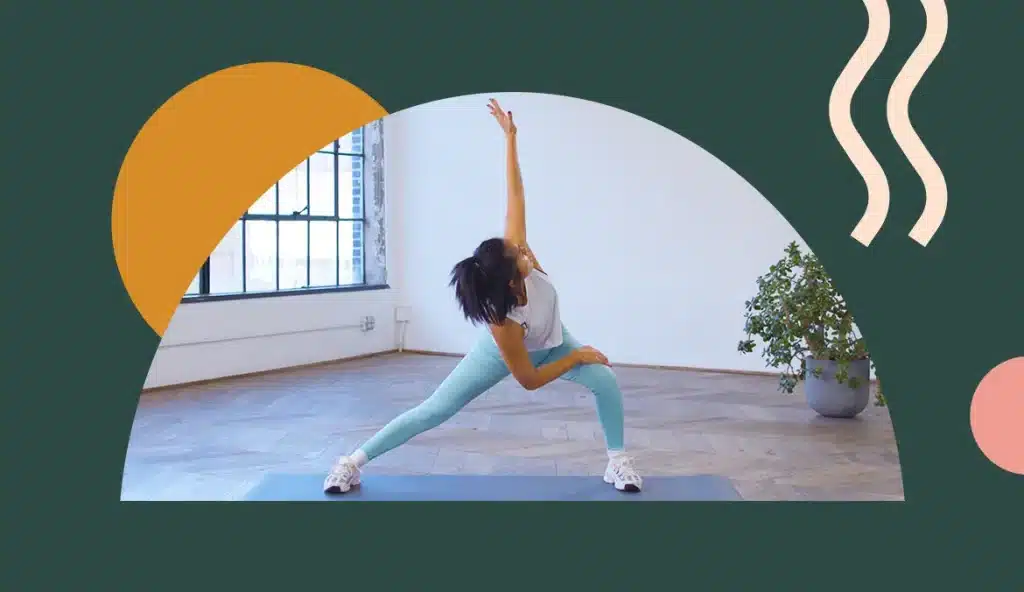
- Hip Flexor Stretches: Lunge forward with one leg, pushing the hips forward to stretch the hip flexors on the back leg. Hold for 30 seconds and repeat on the other side.
- Glute Bridges: This exercise not only strengthens the glutes but also helps stretch the hip flexors.
- Lateral Band Walks: Place a resistance band around your thighs just above your knees and take small steps side to side. This targets the glutes and helps improve hip stability.
- Yoga and Pilates
Both yoga and Pilates are excellent for improving posture and building strength. These practices emphasize core strength, balance, flexibility, and breathing, all of which contribute to better posture.
Yoga poses like:
- Downward Dog: A full-body stretch that lengthens the spine, stretches the hamstrings, and strengthens the shoulders and core.
- Cobra Pose: Helps stretch the chest and strengthen the lower back muscles.
- Warrior Poses: Build lower body strength and stability while enhancing posture.
Pilates exercises such as the Pilates roll-up, swimming, and teaser focus on core engagement and strengthening the muscles that support the spine.
- Postural Awareness and Movement
Sometimes, it’s not just about the exercises you do but also about being aware of your body’s alignment throughout the day. Prolonged sitting, especially in poor postural positions, can weaken muscles over time and lead to long-term discomfort.
Some tips for improving posture throughout your day include:
- Standing up and stretching regularly: If you’re sitting for long periods, stand up every 30 minutes and do some light stretches or walk around.
- Setting up an ergonomic workspace: Ensure that your desk and chair are at the right height to prevent slouching or straining your neck and back.
- Mindful movement: When walking or standing, keep your chest open, shoulders back, and head in line with your spine.
Incorporating Strength and Posture Work into Your Routine
For lasting results, aim to include posture-enhancing and strength-building exercises in your fitness routine at least 3-4 times a week. Whether you’re combining these exercises into one workout session or dedicating separate days to strength training, core work, and flexibility, consistency is key.
Conclusion
Improving posture and strength isn’t an overnight process, but with consistent practice, you’ll start to notice positive changes in how you feel and move. By targeting the core, back, hips, and posture with the right exercises, you’ll build the foundation for better alignment, reduced pain, and enhanced strength.
For those who struggle with back pain or stiffness due to poor posture, taking the time to implement these fitness practices can lead to significant improvements, both physically and mentally. So, start small, stay consistent, and make posture and strength a priority in your fitness journey.
References:
- Core Stability Training for Injury Prevention. PMC (National Center for Biotechnology Information). 2013. Available at: https://pmc.ncbi.nlm.nih.gov (Accessed: 23 September 2025)
- The Effects of Regular Training on Spinal Posture: A Fitness Study. PMC. 2025. Available at: https://pmc.ncbi.nlm.nih.gov (Accessed: 23 September 2025)
- Effect of Postural Training and Core Strengthening Exercises Along with Interferential Therapy on Low Back Pain in Household Workers. Indian Journal of Occupational and Environmental Medicine. Available at: https://journals.lww.com (Accessed: 23 September 2025)

 Travel Experiences That Inspire Personal Development