Fitness Challenges That Improve Flexibility
Camila Torres September 23, 2025
Flexibility is more than just being able to touch your toes. It’s an essential component of fitness that helps with everything from improving your posture to reducing injury risks. In 2025, flexibility challenges have taken the spotlight as people seek holistic ways to stay fit and healthy. Whether you’re aiming to enhance your range of motion, alleviate tension, or improve overall mobility, flexibility challenges can help.
Improving flexibility doesn’t just mean stretching – it involves building muscle elasticity and joint mobility, which leads to better movement efficiency. This post dives into some of the most exciting fitness challenges that improve flexibility, focusing on current trends in 2025.
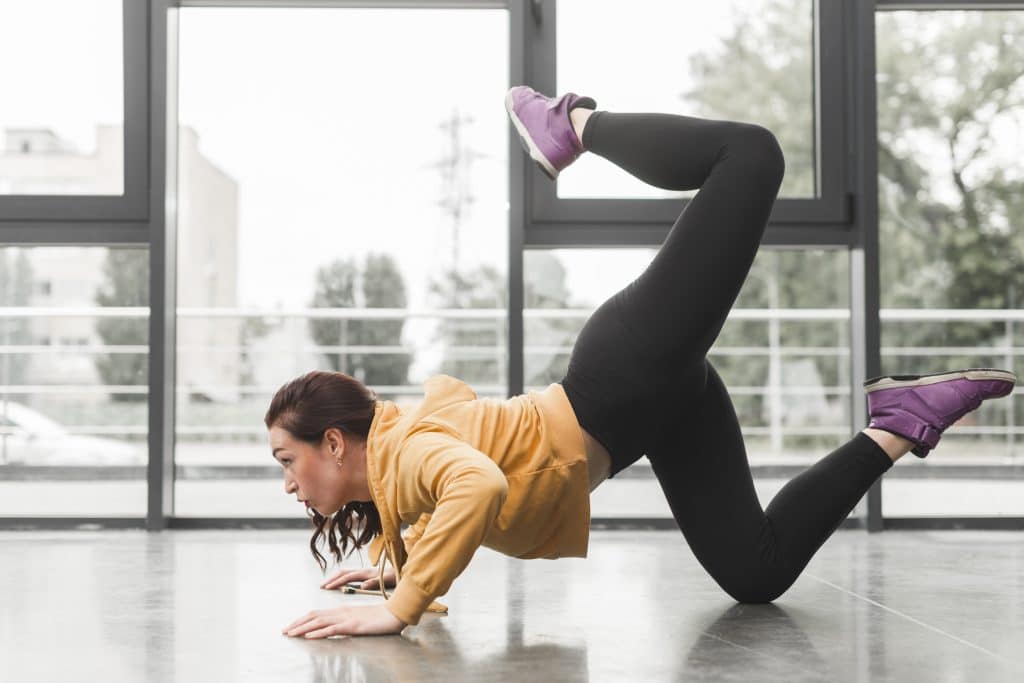
1. The Growing Popularity of Flexibility Challenges
In recent years, flexibility has gained recognition as an integral aspect of overall fitness. With fitness trends leaning towards more balanced and sustainable workout routines, challenges that emphasize flexibility are emerging as a key trend in 2025. These challenges encourage daily commitment and often involve a blend of yoga, Pilates, dynamic stretching, and mobility drills.
- Why Focus on Flexibility?
- Prevents injuries by promoting better muscle and joint health
- Enhances athletic performance by improving movement efficiency
- Improves posture and body alignment
- Reduces stress and boosts relaxation
Flexibility training goes beyond just being able to do a split or reach your toes – it’s about enhancing your body’s ability to move through a full range of motion without discomfort.
2. Popular Flexibility Challenges in 2025
Let’s take a closer look at some of the most popular and emerging flexibility challenges that people are adopting in 2025.
A. The 30-Day Split Challenge
The 30-day split challenge has been gaining momentum, particularly among those looking to improve their hamstring and hip flexibility. This challenge focuses on stretching the muscles that are often tight in sedentary lifestyles or after intense workouts. By dedicating just 10-15 minutes daily, you can see significant improvements in flexibility, often leading to a full split by the end of the month.
- Benefits:
- Deepens hip flexibility
- Enhances flexibility in the hamstrings
- Promotes better lower body posture
While achieving a full split can seem daunting, this challenge’s gradual approach allows even beginners to make noticeable progress.
B. Yoga and Pilates Flexibility Challenges
Yoga and Pilates have long been associated with flexibility and stress relief. In 2025, many fitness enthusiasts are joining structured 30-day yoga or Pilates challenges that focus on opening the hips, stretching the hamstrings, and enhancing spinal flexibility. These challenges often combine static and dynamic stretches, which allow practitioners to move their bodies in ways that increase their overall flexibility and build strength simultaneously.
- Key Benefits:
- Full-body flexibility
- Core strength development
- Mental clarity and relaxation
- Enhanced body awareness
Virtual yoga and Pilates challenges are also becoming more popular, making these workouts accessible no matter where you are. With flexibility at their core, these challenges attract those looking to improve both their physical and mental well-being.
C. 15-Minute Daily Stretching Routine
For those pressed for time, a quick and consistent 15-minute stretching routine is an easy and effective way to build flexibility. These routines can include dynamic stretches, yoga poses, and foam rolling techniques, targeting areas such as the hips, hamstrings, and shoulders. In just 15 minutes a day, you can begin to feel more flexible and reduce muscle stiffness.
- Focus Areas:
- Hip flexors
- Hamstrings
- Shoulders and back
These routines are easily customizable based on personal flexibility goals and can be incorporated into daily life without requiring a lot of time or specialized equipment.
3. How to Stay Consistent and Motivated
One of the most common challenges people face with flexibility training is maintaining consistency. It’s easy to get discouraged when results aren’t immediate. However, staying motivated is key to making long-lasting improvements.
Here are some strategies for staying on track with your flexibility challenge:
- Track Progress: Use a fitness app or journal to track your flexibility progress. This can be a great way to see how much you’ve improved and keep yourself motivated.
- Join a Community: Flexibility challenges often include online communities where you can share your progress, ask questions, and get support from others who are participating.
- Set Realistic Goals: Start with achievable goals and slowly increase your expectations as you build flexibility. A goal to touch your toes or achieve a deeper stretch can be a great starting point!
4. The Science Behind Flexibility and Injury Prevention
Flexibility training plays a critical role in injury prevention. According to sports science, tight muscles and joints are more prone to injury. Flexibility exercises improve the elasticity of muscles and increase the range of motion in joints, which helps avoid strains and sprains.
- Stretching and Injury Prevention:
- Reduces muscle stiffness
- Improves coordination and balance
- Enhances post-exercise recovery
Additionally, incorporating dynamic stretching as part of your warm-up can increase blood flow to muscles, preparing them for more intense physical activity and reducing the risk of injury.
5. Mental Health and Flexibility Training
There is an increasing understanding of the connection between flexibility exercises and mental health. Yoga, Pilates, and even simple stretching routines are known to have a calming effect on the mind. By focusing on breath control and mindfulness, individuals can manage stress levels, reduce anxiety, and feel more relaxed.
- Mental Health Benefits:
- Stress reduction through relaxation
- Improved mood from mindful movement
- Better focus and clarity
As people look for ways to improve their physical health while maintaining mental balance, flexibility-focused challenges offer a comprehensive approach to well-being.
6. Flexibility Training for Athletes
For athletes, flexibility training is essential not only for performance enhancement but also for maintaining joint health and muscle elasticity. Whether you’re a runner, weightlifter, or dancer, incorporating flexibility challenges into your routine can help you move better and avoid injuries.
- Flexibility for Performance:
- Increases muscle control and coordination
- Improves range of motion for sport-specific movements
- Reduces the risk of overuse injuries
Athletes are increasingly adopting mobility-focused challenges that blend flexibility with strength training to optimize performance.
Conclusion: The Power of Flexibility Challenges
Flexibility challenges are an exciting and accessible way to improve your range of motion and overall fitness. Whether you’re aiming to touch your toes, achieve a full split, or simply incorporate more flexibility into your workout routine, these challenges offer a practical approach to increasing mobility and enhancing your physical well-being.
Incorporating daily stretching, yoga, or Pilates into your life isn’t just about physical flexibility – it’s about creating a more balanced and mindful lifestyle. Commit to a challenge today, and unlock the benefits of improved flexibility and mental clarity.
References
- Nuzzo, J. L., & Wilkerson, J. (2023). Flexibility training: Benefits for physical performance and injury prevention. Available at: https://journals.lww.com (Accessed: 23 September 2025)
- Smith, M., & Patterson, S. (2025). Yoga and Pilates for flexibility and stress reduction: A practical guide. Available at: https://www.healthfitnessjournal.com (Accessed: 23 September 2025)
- Miller, M. S., & Evans, K. D. (2023). The effects of static and dynamic stretching on improving flexibility in adults. Available at: https://www.intjexercisesci.com (Accessed: 23 September 2025)

 Travel Destinations That Encourage Sustainable Practices