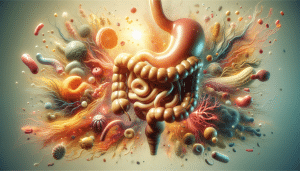
Boosting Your Gut Health for Better Wellness
Camila Torres September 28, 2025
Explore the science-backed ways people improve digestive balance and support overall wellness. Discover how gut health influences immunity, mood, and daily energy, and find practical tips for nurturing your microbiome naturally.
Why Gut Health Deserves Your Attention
Gut health isn’t just about digestion; it’s central to the body’s overall well-being. Many are surprised to learn that the gut microbiome—home to trillions of bacteria, viruses, and fungi—plays a key role in immune response, nutrient absorption, and even mental health. Maintaining a diverse and balanced gut microbiota can potentially help support digestive comfort, proper metabolism, and more resilient immunity. Research increasingly shows that disruptions in gut bacteria are linked to issues such as inflammation, fatigue, and mood fluctuations (https://www.hsph.harvard.edu/nutritionsource/microbiome/).
The connection between gut and brain is so influential it’s often called the ‘gut-brain axis.’ Communication flows in both directions via hormonal, neural, and immune pathways, meaning that what happens in the gut can affect mental clarity, stress levels, and emotional resilience. For example, imbalances in gut bacteria may contribute to anxious or low moods. This opens the door for a holistic approach, where supporting the gut can complement general wellness efforts (https://www.niddk.nih.gov/health-information/digestive-diseases/digestive-system-how-it-works).
Emerging evidence suggests that optimizing gut health may have far-reaching effects. Some studies highlight improvements in energy levels and fewer digestive discomforts. Others point to enhanced absorption of key vitamins and minerals, impacts on skin appearance, and even support for healthy body weight. As researchers uncover new links between the gut and various wellness outcomes, the spotlight on microbial diversity and balance only grows stronger (https://www.ncbi.nlm.nih.gov/pmc/articles/PMC5641835/).
Understanding Probiotics and Prebiotics
Probiotics are live microorganisms that, when consumed in sufficient amounts, can positively influence gut flora. Found in foods like yogurt, kefir, kimchi, and some cheeses, probiotics support a balanced microbial environment. Prebiotics, by contrast, are non-digestible fibers found in fruits, vegetables, and whole grains that feed beneficial gut bacteria. Incorporating both probiotics and prebiotics as part of regular meals can help nurture a healthy microbiome. These options are widely available and can be subtly integrated into day-to-day eating patterns (https://www.mayoclinic.org/healthy-lifestyle/nutrition-and-healthy-eating/in-depth/probiotics/art-20045345).
Researchers have found that adding prebiotic fiber—such as inulin or oligosaccharides—can modulate gut ecology and stimulate growth of bacteria linked to improved digestion. Likewise, consuming probiotics has been associated with benefits ranging from easing mild digestive discomfort to supporting regularity. However, effects can differ depending on the type of bacteria (strain), the individual’s health status, and specific product formulation. While there’s growing interest in supplement forms, most experts recommend beginning with a food-focused approach before considering alternatives (https://www.cdc.gov/foodsafety/communication/probiotics.html).
It is helpful to understand that the impact of probiotics and prebiotics is often gradual and linked to consistent, long-term dietary choices. Rather than expecting quick changes, many people notice gradual shifts in digestive comfort, energy levels, and even skin appearance after several weeks. Thoughtful addition of fermented foods or prebiotic-rich produce lets consumers personalize their approach, adapting to taste preferences and dietary needs. Keeping a food diary may reveal patterns that help guide future selections and find what works best.
The Role of Fiber in Digestive Wellness
Fiber intake plays a crucial role in maintaining smooth digestion and feeding beneficial gut microbes. Soluble fiber, found in oats, legumes, and some fruits, dissolves in water and forms a gel-like substance that helps stabilize blood sugar and promote satiety. Insoluble fiber, present in whole grains, nuts, and many vegetables, adds bulk to stool and supports regular bowel movements. By combining different fiber sources, individuals give their gut microbes multiple fuel types for producing beneficial compounds, such as short-chain fatty acids important for colon health (https://www.eatright.org/food/nutrition/healthy-eating/high-fiber-foods).
For those unused to high-fiber eating, it’s wise to increase intake slowly and drink plenty of fluids to reduce potential discomfort. Sudden increases may cause bloating or gas, but gradual adaptation allows the digestive system and resident microbes to adjust. Many people also explore creative ways to incorporate more fiber by choosing whole fruits over juices, snacking on seeds, or adding beans and lentils to soups and salads. Consistent fiber intake is associated with lower risk of several chronic conditions, improved cholesterol levels, and enhanced satisfaction after meals.
Choosing a mix of soluble and insoluble fiber, alongside a wide range of colors and textures, lets the gut microbiome thrive. Over time, those who boost fiber intake often notice smoother digestion, more stable energy, and sometimes even changes in mood or skin clarity. Some professionals encourage tracking fiber by reading food labels or trying simple swaps, such as replacing white rice with brown rice or adding chia seeds to breakfast. These approachable changes support sustained gut health without dramatic diet overhauls.
The Impact of Stress and Sleep on Gut Health
Gut health doesn’t exist in a vacuum—factors such as stress levels and sleep patterns play significant roles. When chronic stress is present, stress hormones like cortisol can affect gut barrier integrity and microbial composition. Persistent stress has been correlated with symptoms such as bloating, slowed digestion, or changes in appetite. Techniques like mindfulness, breathing exercises, and gentle movement are practical first steps toward fostering a balanced nervous system that benefits overall digestive wellness (https://www.ncbi.nlm.nih.gov/books/NBK279396/).
Sleep is equally important; insufficient rest disrupts the natural rhythms of the gut and reduces microbial diversity. According to researcher observations, lost sleep can lead to more cravings for processed or high-sugar foods, which in turn may negatively affect gut flora. Setting a consistent bedtime, minimizing screens before bed, and creating a restful environment support sleep quality. As sleep patterns stabilize, positive shifts in mood, digestion, and daily energy often follow.
Stress and sleep are closely intertwined—improvements in one can contribute to better outcomes in the other. For example, practicing nighttime relaxation routines may help reduce stress, making it easier to fall asleep deeply. On the flip side, building in daytime relaxation, like nature walks or short breaks, can buffer stress and promote readiness for restful sleep later. Many pursuing digestive wellness find that investing attention to these lifestyle habits enhances the effects of diet-focused changes for the gut.
Nourishing Your Microbiome with Balanced Meals
Building meals that emphasize variety plays a vital part in nourishing the gut microbiome. Including different fruits, vegetables, grains, and protein sources introduces a spectrum of nutrients and fibers for beneficial gut bacteria. Many focus on seasonal produce, legumes, nuts, and seeds, rotating ingredients week to week to keep things interesting. Limiting heavily processed foods and excess sugars is also linked to greater microbial diversity—considered a hallmark of resilient gut health (https://www.health.harvard.edu/blog/gut-microbiome-influence-on-health-weight-and-disease-2019082917416).
Fermented foods, such as sauerkraut, miso, and tempeh, offer naturally occurring probiotics while also contributing rich flavor. For some, dairy-based probiotic foods like yogurt or kefir are favorites. Experimenting with home fermentation can make nourishing the microbiome an engaging experience. If shopping prepared versions, check ingredient labels for added sugars or preservatives that could diminish the potential benefits.
Simple meal ideas, like stir-fries with varied vegetables, fruit-and-nut salads, or grain bowls topped with beans and greens, allow flexibility and personalization. Many nutrition practitioners recommend aiming for a ‘rainbow’ of colors each week, as diverse plant compounds offer unique advantages for both the gut and broader health targets. Over time, these choices cultivate a robust internal environment and may lead to improved comfort, immunity, and lasting wellness habits.
Recognizing When to Seek Professional Advice
While many strategies for nurturing the gut can be implemented independently, it’s important to recognize circumstances in which professional support is warranted. Persistent digestive symptoms—such as severe bloating, pain, unexplained weight changes, or blood in the stool—should be evaluated by a qualified healthcare provider. Early assessment can rule out serious conditions, derive an accurate diagnosis, and outline appropriate treatment plans (https://medlineplus.gov/digestivediseases.html).
Even for those without acute symptoms, registered dietitians or gastroenterologists can offer personalized advice. These experts consider dietary preferences, medical history, and lifestyle factors to help refine gut support strategies. In some cases, advanced testing or specialized plans are necessary to address tricky or persistent gut issues. Collaboration with healthcare professionals helps ensure changes are sustainable and well-matched to individual needs.
For families, children, or individuals living with chronic health conditions, guidance from trusted professionals provides added safety. Many find reassurance and better outcomes through partnership rather than guesswork. Accessing reputable educational resources and discussing changes with medical teams builds confidence and increases the chances of long-term digestive wellness.
References
1. Harvard T.H. Chan School of Public Health. (n.d.). The Microbiome. Retrieved from https://www.hsph.harvard.edu/nutritionsource/microbiome/
2. National Institute of Diabetes and Digestive and Kidney Diseases. (n.d.). Your Digestive System & How it Works. Retrieved from https://www.niddk.nih.gov/health-information/digestive-diseases/digestive-system-how-it-works
3. National Center for Biotechnology Information. (2017). The Gut Microbiota and Inflammation. Retrieved from https://www.ncbi.nlm.nih.gov/pmc/articles/PMC5641835/
4. Mayo Clinic. (n.d.). Probiotics: What You Need to Know. Retrieved from https://www.mayoclinic.org/healthy-lifestyle/nutrition-and-healthy-eating/in-depth/probiotics/art-20045345
5. Academy of Nutrition and Dietetics. (n.d.). High-Fiber Foods. Retrieved from https://www.eatright.org/food/nutrition/healthy-eating/high-fiber-foods
6. MedlinePlus. (n.d.). Digestive Diseases. Retrieved from https://medlineplus.gov/digestivediseases.html

 Exploring Smart Home Trends You Might Love