Boosting Gut Health Starts With What You Eat
Camila Torres September 28, 2025
Unlock the surprising connections between digestive wellness, immune balance, and the foods that support a thriving gut environment. This guide explores the essentials of gut health, practical nutrition strategies, and actionable routines to help manage digestion, support energy, and promote holistic well-being.
Understanding Gut Health and Why It Matters
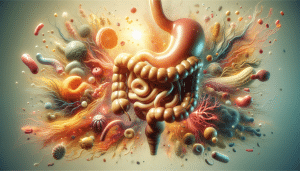
Gut health is grabbing attention for good reason. Emerging science reveals just how central digestive wellness is to the entire body. The gut houses trillions of bacteria—collectively called the gut microbiome—that help break down food, support nutrient absorption, and even influence inflammation. The balance of these bacteria can affect everything from metabolism to stress responses. Your gut is often called the body’s ‘second brain’ due to its vast network of nerves and its role in producing neurotransmitters.
Symptoms like bloating, irregular bowel movements, and food intolerances may signal gut imbalance. But effects ripple further: a suboptimal gut often correlates with decreased immune resilience, low mood, and persistent tiredness. Scientists now believe a well-cared-for gut can support mental clarity and help in managing the risk of chronic issues. The digestive tract also acts as the primary gateway, filtering out harmful agents while letting in beneficial nutrients.
This intricate interplay between digestive function and whole-body health shows why simple dietary tweaks matter. Focusing on gut wellness may improve not only digestion, but also sleep, energy, and mood. Building a basic understanding of your gut’s role is the first vital step toward enhancing daily well-being and long-term vitality https://www.nih.gov/news-events/nih-research-matters/gut-microbiome-affects-health.
Foods That Naturally Support a Healthy Gut
Certain foods naturally foster a thriving gut environment. Fermented items like yogurt, kefir, kombucha, and kimchi encourage good bacteria to flourish. These contain live probiotics—friendly microbes that may help rebalance gut flora after antibiotic use or periods of stress. Including these in meals several times a week is a tasty, accessible step toward better digestion. Fiber-rich foods such as beans, oats, and berries also act as prebiotics, feeding good bacteria what they need to grow.
The choices made at each meal ripple through the digestive system. Leafy green vegetables, asparagus, and artichokes supply prebiotic fiber, while bananas and garlic are beneficial daily staples. Eating a variety of colorful produce helps ensure the gut’s microbial ecosystem is diverse. When gut bacteria thrive, the body becomes more efficient at producing vitamins, supporting mood, and even defending against unwelcome intruders.
Consistency matters as much as diversity. Gradually integrating more gut-friendly foods helps to ease the transition, minimizing potential discomfort. Drinking enough water, limiting highly processed ingredients, and opting for whole grains can all support smoother digestion. For those with food sensitivities, gradual changes and careful observation can reveal what supports comfort and long-term gut resilience https://www.hsph.harvard.edu/nutritionsource/healthy-gut-microbiome/.
The Impact of Lifestyle Habits on Digestion
Beyond food, everyday routines carry weight. Physical activity, regular sleep, and stress management strategies can directly support how well the digestive system functions. Moderate exercise improves gut transit time, helping move food and waste smoothly. Meditation and mindful breathing may protect the gut-brain axis, the pathway linking emotional and digestive health. Poor sleep or heightened stress, on the other hand, may upset the carefully maintained balance of gut bacteria.
Hydration is often overlooked. Water aids in nutrient absorption and helps prevent constipation, an all-too-common gut concern. Establishing routines—like eating at similar times daily and participating in light, regular movement—can help regulate both appetite and the natural rhythm of digestion. Even short walks after meals encourage better gut activity and nutrient uptake.
Creating a supportive environment for gut health involves minimizing exposures that irritate the digestive lining. Avoiding unnecessary antibiotic use, being judicious with pain relievers, and not smoking all play their part. These steps work hand-in-hand with nutrition and relaxation techniques to build a foundation for a resilient digestive system https://www.cdc.gov/healthyweight/healthy_eating/index.html.
Probiotics, Prebiotics, and the Microbiome
The terms probiotics and prebiotics appear everywhere in wellness discussions. Probiotics are beneficial bacteria—living microorganisms that, when consumed in the right amounts, can have positive effects on gut flora. They occur naturally in fermented foods and are sometimes offered in supplement form. Prebiotics, in contrast, are a type of dietary fiber that feed these good bacteria. Both are vital for keeping the microbiome diverse and resilient.
Eating a mix of both provides a two-pronged benefit. Prebiotics found in onions, leeks, and whole grains act like fertilizer, encouraging beneficial bacteria to thrive. Probiotic foods introduce fresh helpful microbes, aiding in the restoration and maintenance of gut equilibrium. Supplements may have a place for certain individuals, but a balanced diet remains the foundation. A diverse microbiome, built on probiotic and prebiotic intake, is associated with supported immune function and improved digestion.
One remarkable finding is the potential for prebiotics to impact mental clarity. The gut produces some of the same neurotransmitters found in the brain, and the microbiome’s health can play a part in how these chemicals are processed. Future research will no doubt uncover further links between the foods we eat, our mood, and our overall cognitive function https://www.ncbi.nlm.nih.gov/pmc/articles/PMC5641835/.
Recognizing and Addressing Digestive Concerns
Mild digestive discomfort is common and often resolves with improved diet and self-care. However, persistent symptoms—such as chronic bloating, fatigue, or unexplained changes in stool quality—may point toward underlying imbalances. Experts recommend tracking foods, symptoms, and triggers to spot patterns. This information provides valuable insights when seeking medical guidance, especially if issues persist.
For some individuals, certain foods or lifestyle factors consistently provoke symptoms, such as dairy or gluten for those with sensitivities. The elimination diet, done under the supervision of a healthcare provider, can help clarify which foods support comfort and which hinder it. Maintaining an open line of communication with professionals ensures the safest, most effective path forward, while also reducing the risk of worsening any underlying condition.
Understanding when to consult a provider is crucial. Red flags include unexplained weight loss, persistent pain, or blood in the stool. Early intervention usually leads to better long-term outcomes. Many find that even small steps, like experimenting with gentle dietary swaps or prioritizing mindfulness, can lead to meaningful improvements https://www.gastro.org/practice-guidance/gi-patient-center/topic/digestive-health.
Tips for Building Sustainable Gut-Friendly Habits
Building gut-friendly habits is best approached with patience and curiosity. Start by adding more fiber-rich foods and fermented items, gradually increasing variety and quantity as comfort allows. Paying attention to meals, chewing slowly, and noticing fullness signals all aid digestion. Small, sustainable changes are more effective than drastic overhauls, which may overwhelm the body and trigger discomfort.
Routine matters. Committing to regular movement, aiming for consistent sleep, and managing stress can help reinforce positive changes. Hydration goes hand-in-hand with fiber; adequate water intake prevents constipation and keeps digestion on track. Many find success by choosing a new habit to introduce each week, building momentum with each small win and learning from occasional setbacks.
Support systems can make a significant difference. Sharing goals and recipes with friends or family, connecting with supportive online communities, or seeking advice from registered dietitians can all provide motivation. No two journeys look exactly the same. Tuning in to what feels good—both physically and emotionally—helps shape lasting patterns to promote gut and overall wellness https://www.cdc.gov/physicalactivity/basics/pa-health/index.htm.
References
1. National Institutes of Health. (n.d.). Gut microbiome affects health. Retrieved from https://www.nih.gov/news-events/nih-research-matters/gut-microbiome-affects-health
2. Harvard T.H. Chan School of Public Health. (n.d.). The nutrition source: Healthy gut microbiome. Retrieved from https://www.hsph.harvard.edu/nutritionsource/healthy-gut-microbiome/
3. Centers for Disease Control and Prevention. (n.d.). Healthy eating for a healthy weight. Retrieved from https://www.cdc.gov/healthyweight/healthy_eating/index.html
4. National Center for Biotechnology Information. (2017). Probiotics and prebiotics: Maintaining a healthy gut microbiota. Retrieved from https://www.ncbi.nlm.nih.gov/pmc/articles/PMC5641835/
5. American Gastroenterological Association. (n.d.). Digestive health. Retrieved from https://www.gastro.org/practice-guidance/gi-patient-center/topic/digestive-health
6. Centers for Disease Control and Prevention. (n.d.). Physical activity and health. Retrieved from https://www.cdc.gov/physicalactivity/basics/pa-health/index.htm

 Surprising Ways You Can Improve Gut Health