Boosting Gut Health May Change How You Feel
Camila Torres October 16, 2025
Discover the surprising links between gut health and overall wellness. Uncover practical strategies, foods, and habits that may help support a balanced digestive system, boost energy, and even influence mood. Exploring these connections may offer new ideas for long-term health right from your kitchen.
The Gut’s Role in Whole Body Wellness
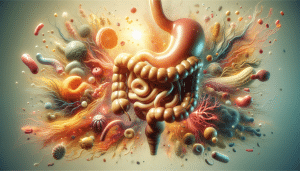
Gut health is attracting interest for its wide-ranging influence on body systems beyond digestion. Trillions of bacteria live in the human gut, working quietly to help break down food, produce vitamins, and even support immune function. When the gut’s balance shifts, it might impact how people feel, both mentally and physically. Some scientists call the gut our ‘second brain’ due to ongoing discoveries about its nerve connections and chemical messages.
This complex network, called the gut microbiome, is shaped by diet, stress, sleep, and more. It doesn’t only process nutrients. It talks with the brain through the gut-brain axis, a two-way connection involving nerves and hormones. Changes in gut balance have been linked to mood, immune response, and even skin health. For many, exploring gut health is more than just avoiding stomach aches—it’s about supporting whole-body wellness over time, step by step.
The pathways between gut bacteria and mind remain under active study. Some researchers believe imbalances in gut flora are connected to increased fatigue and mood fluctuations. Probiotics, fiber-rich foods, and mindful eating habits are being explored as ways to encourage gut harmony. While research grows, simple daily changes may already make a noticeable difference in energy and overall comfort.
Everyday Foods That Influence Gut Health
Diet is a powerful tool for supporting the gut microbiome. Fiber-rich vegetables, fruits, beans, and whole grains help feed beneficial gut bacteria. Prebiotics—special plant fibers in foods like garlic, onions, and bananas—are especially helpful for nourishing these microbes. By regularly including a variety of colorful produce, individuals can promote gut diversity and potentially reduce bloating or discomfort.
Fermented foods are another group that gets attention in wellness circles. Yogurt with live cultures, sauerkraut, kimchi, kefir, and miso offer living bacteria called probiotics. These may help balance natural gut flora and reduce occasional digestive upset. Exploring new tastes in these foods can be delicious and may offer extra support when people are adjusting their eating habits.
It’s not only about what people eat; it’s also about what they avoid. Diets high in processed foods, excess sugar, and artificial additives have been associated with less diversity in gut bacteria. Many nutritionists suggest favoring whole, minimally processed foods and staying hydrated to support the body’s natural processes. Personalization is key—what works for one may not suit another. Trusted guidance often comes from dietitians and healthcare providers who understand individual needs.
The Gut-Brain Connection: Mood and Mind
Science has begun to decode how gut health may affect mental well-being. There are millions of nerve endings in the digestive tract, and certain gut bacteria help create neurotransmitters—chemical messengers like serotonin. Serotonin is well known for its role in regulating mood and sleep. In fact, most of the body’s serotonin is produced in the gut rather than the brain. This offers a clue about why some people notice shifts in their emotional state tied to their digestion.
Emerging research points to the influence of probiotics and prebiotics on emotional balance and stress response. While this does not suggest quick fixes, it highlights the value of a long-term view on gut-friendly eating. Mindful eating and stress-reduction practices such as meditation and gentle exercise may also work hand-in-hand with dietary changes. For many, supporting the gut brings a sense of control and comfort, even if benefits unfold gradually.
Conversations between the gut and the brain are still being explored. Uncovering which specific gut bacteria influence mood is an ongoing challenge for scientists, but the gut-brain link is undeniable. Supporting gut health may help with occasional feelings of tiredness or tension. Those curious about their own patterns can keep a journal noting meals, moods, and digestive reactions, sharing these observations with their clinician to uncover trends worth exploring further.
Common Digestive Issues and Supporting Solutions
Bloating, irregularity, and discomfort affect many people at some stage. While each person’s digestive system is unique, a few guiding principles can help. Slower, mindful eating helps the stomach and gut work at their own pace. Drinking water throughout the day can assist digestion and reduce unnecessary stress on the gastrointestinal system. Some people find that keeping meals simple—avoiding too many heavy, rich dishes at once—can reduce bloating or sluggishness.
Introducing new high-fiber or fermented foods gradually, instead of all at once, may help the body adjust with less discomfort. Seeking medical evaluation is important for persistent or severe digestive symptoms, as certain conditions require tailored solutions. Reliable information can often be found through nonprofit digestive health organizations and registered professionals, helping people avoid misleading options.
Simple movement, such as walking after meals or practicing gentle yoga, may assist the digestive process. These activities help stimulate blood flow and can encourage regularity over time. For challenging symptoms like chronic constipation or acid reflux, clinicians often recommend a combination of dietary adjustments, hydration, and, where needed, personalized medical care. Because gut health is so individual, tracking changes and working with a provider can bring peace of mind and meaningful improvement.
Building Lasting Healthy Gut Habits
Supporting the gut isn’t about a perfect routine; it’s about small, sustainable changes over time. Many find consistency matters more than intensity. Prioritizing plant-based foods, staying hydrated, and moving every day bring balance not only to the gut but also support energy and sleep routines. Sleep and stress management are often overlooked yet crucial—short nights and chronic tension may disrupt gut bacteria and digestive function.
Creating routines helps many people keep their gut-friendly habits on track. Planning meals ahead, packing healthy snacks, or setting reminders to drink water are simple tools. Others find benefit in keeping a food and symptom log, noting patterns around digestion, mood, or energy. These insights can be valuable when discussing options with healthcare professionals, especially when changes are subtle or gradual.
Over time, those who prioritize gentle, consistent habits tend to report greater well-being. For individuals managing health concerns or complex symptoms, working alongside a registered dietitian, nutritionist, or clinician provides added support. Reliable educational resources abound, including reputable government agencies and nonprofit organizations, offering up-to-date guidance free of commercial influence. Building healthy gut routines is a long-term investment in body and mind.
Resources and Reliable Guidance on Gut Health
Finding accurate gut health information can feel overwhelming due to the abundance of conflicting advice online. Trusted sources often include major health organizations, government agencies, and university-affiliated sites. These platforms focus on facts, avoid exaggerated claims, and base recommendations on peer-reviewed studies.
Resourceful sites such as the National Institutes of Health and World Gastroenterology Organization regularly update the public on the latest findings. Wellness seekers can use these platforms to check the benefits of prebiotics, review lists of probiotic-rich foods, and investigate everyday habits that support digestion. Exploring these sources ensures a grounded, science-backed approach to gut health exploration.
It’s important to approach new wellness trends with curiosity, balanced by a critical eye. Not every product or strategy is supported by evidence. A partnership between the curious individual and reliable informational platforms can provide clarity and foster long-term, confident habits. The journey to healthy digestion and better energy starts with good questions and a willingness to learn from proven resources.
References
1. National Institutes of Health. (n.d.). Your Digestive System & How it Works. Retrieved from https://www.niddk.nih.gov/health-information/digestive-diseases/digestive-system-how-it-works
2. Harvard T.H. Chan School of Public Health. (n.d.). The Nutrition Source: Fiber. Retrieved from https://www.hsph.harvard.edu/nutritionsource/carbohydrates/fiber/
3. World Gastroenterology Organisation. (n.d.). Probiotics and prebiotics. Retrieved from https://www.worldgastroenterology.org/guidelines/probiotics-and-prebiotics
4. American Gastroenterological Association. (n.d.). Gut Microbiome. Retrieved from https://www.gastro.org/practice-guidance/gi-patient-center/topic/gut-microbiome
5. Mental Health Foundation. (n.d.). Nutrition and mental health. Retrieved from https://www.mentalhealth.org.uk/explore-mental-health/a-z-topics/nutrition-and-mental-health
6. Johns Hopkins Medicine. (n.d.). The Brain-Gut Connection. Retrieved from https://www.hopkinsmedicine.org/health/wellness-and-prevention/the-brain-gut-connection

 Uncovering the Rise of Natural Skincare Routines