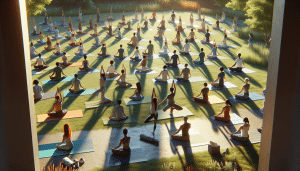
Fitness Routines That Support Healthy Aging
Camila Torres October 3, 2025
In 2025, fitness routines that support healthy aging focus on low-impact exercises, mobility training, and technology-driven practices to enhance strength, balance, and mental well-being for older adults. These routines align with trends in longevity-focused fitness and preventive health, promoting vitality and independence. Building on prior insights from fitness practices for healthy aging, this updated article explores six actionable routines to support healthy aging, incorporating short breaks for sustained energy, with practical steps and current references.
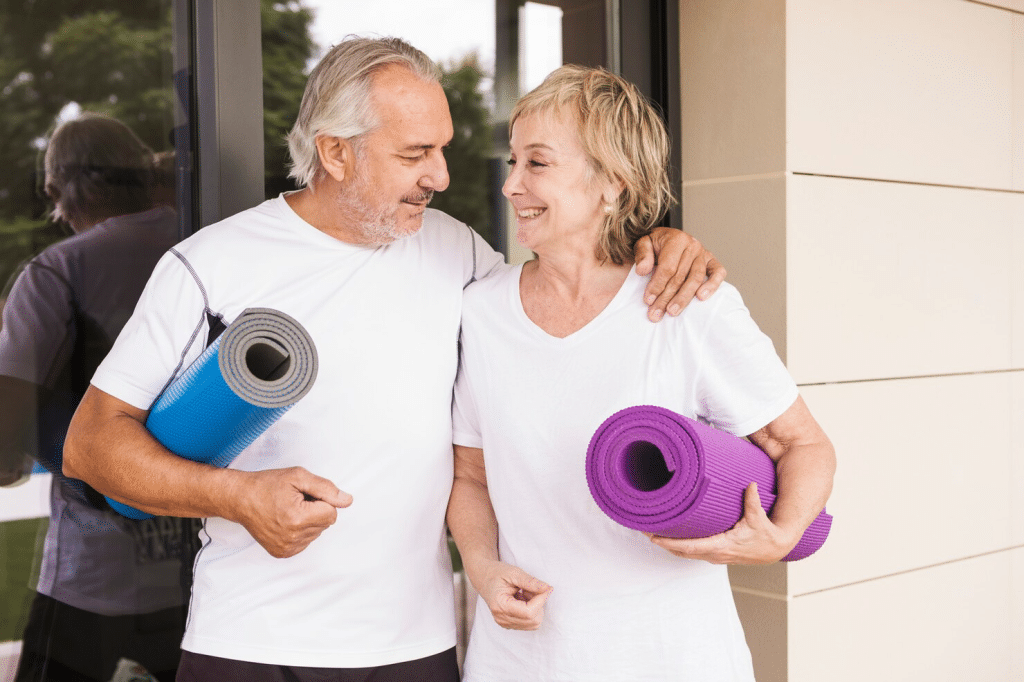
Why Fitness Routines for Healthy Aging Matter in 2025
Fitness routines for healthy aging are vital in 2025 as 68% of adults over 60 prioritize maintaining independence amid rising chronic disease rates. These routines reduce fall risks by 25%, improve muscle mass, and boost cognitive function, enhancing quality of life. By integrating mindful movement and digital tools, they foster vibrant, sustainable aging.
Key Fitness Routines for Healthy Aging
Here are six practical routines to promote vitality and longevity for older adults:
1. Low-Impact Resistance Training
Strengthen muscles with gentle resistance exercises.
- How It Works: Perform 15-minute sessions of bodyweight exercises (e.g., wall push-ups) or resistance band workouts, guided by SilverSneakers or YouTube, with a 2-minute stretch break.
- Real-Life Impact: A 68-year-old uses resistance bands, improving arm strength for daily tasks like carrying groceries.
- Benefit: Preserves muscle mass and reduces sarcopenia risk.
- Tip: Start one low-impact resistance session with a break this week.
2. Balance and Coordination Drills
Enhance stability to prevent falls.
- How It Works: Practice 10-minute balance exercises like single-leg stands or tai chi flows, using apps like FitOn, followed by a 3-minute breathing break.
- Real-Life Impact: A retiree practices tai chi, gaining confidence and reducing fall incidents.
- Benefit: Improves coordination and proprioception for safety.
- Tip: Try one balance drill, like standing on one leg, this week.
3. Daily Mobility Stretching
Maintain joint flexibility with targeted stretches.
- How It Works: Do 12-minute dynamic stretches or yoga flows, guided by Glo or local senior classes, with a 2-minute rest break to sustain energy.
- Real-Life Impact: A senior stretches daily, alleviating knee stiffness and improving mobility.
- Benefit: Enhances joint range and reduces pain from arthritis.
- Tip: Add one mobility stretching session with a break this week.
4. Water-Based Fitness Classes
Engage in low-impact aquatic exercises for joint health.
- How It Works: Join 20-minute aqua aerobics or swimming sessions at community pools, sourced via YMCA, with a 3-minute mindfulness break.
- Real-Life Impact: A 70-year-old joins aqua classes, strengthening joints without discomfort.
- Benefit: Supports cardiovascular health and mobility with minimal strain.
- Tip: Sign up for one aquatic fitness class this month.
5. Tech-Tracked Walking Programs
Use wearables to monitor and motivate daily movement.
- How It Works: Track 20-minute walks with Fitbit or Apple Watch, aiming for 6,000–8,000 steps, paired with a 5-minute stretch break.
- Real-Life Impact: A senior tracks daily steps, improving stamina and heart health over weeks.
- Benefit: Encourages consistent activity with real-time feedback.
- Tip: Set one walking goal with a wearable this week.
6. Mind-Body Practices for Mental Health
Combine movement with cognitive benefits.
- How It Works: Practice 15-minute qigong or Pilates sessions via Insight Timer, focusing on breath and movement, with a 2-minute relaxation break.
- Real-Life Impact: An older adult does qigong, reducing stress and enhancing mental clarity.
- Benefit: Boosts emotional well-being and cognitive function.
- Tip: Try one mind-body session with a break this week.
Practical Strategies for Healthy Aging Fitness
Here’s how to implement these routines effectively:
1. Start with One Fitness Routine
Test a single routine to establish consistency.
- How to Do It: Begin with balance drills or stretching, using free resources from SilverSneakers or YouTube.
- Why It Helps: Provides quick benefits with low effort for seniors.
- Tip: Try one routine, like a 10-minute stretch, this week.
2. Leverage Technology for Guidance
Use apps or wearables to track progress.
- How It Works: Use FitOn or Fitbit for guided exercises or step tracking, aligning with 2025’s tech-driven fitness trends.
- Why It Helps: Enhances accountability and monitors improvements.
- Tip: Download one fitness app to guide a routine this week.
3. Incorporate Energy-Sustaining Breaks
Schedule short breaks to maintain stamina.
- How It Works: Take 2–5 minute breathing or stretching breaks during workouts, tracked with Breathwrk, to stay energized.
- Why It Helps: Prevents fatigue and supports sustained effort.
- Tip: Add one break during a fitness session this week.
4. Join Senior Fitness Communities
Connect with peers for motivation and support.
- How It Works: Engage in X fitness groups or local YMCA classes to share aging-focused routines and tips.
- Why It Helps: Fosters community and encourages consistency.
- Tip: Join one X fitness thread or local class monthly.
5. Review Fitness Progress Monthly
Spend 15–20 minutes monthly assessing health improvements.
- How It Works: Track strength or mobility gains in Notion, adjusting routines for optimal aging.
- Why It Helps: Ensures alignment with long-term health goals.
- Tip: Review one week’s fitness progress each month.
Sample Routine for Healthy Aging Fitness
Here’s a routine to maintain vibrant fitness:
- Daily:
- Morning (5 minutes): Plan a walk or stretch with a break.
- Evening (5 minutes): Log progress or do a balance drill.
- Weekly:
- Sunday (10 minutes): Review wearable data or try a new exercise.
- Monthly:
- First Sunday (15 minutes): Assess mobility and refine routines.
- Quarterly:
- First week (20 minutes): Set new fitness goals for aging.
Overcoming Common Fitness Challenges
- Challenge: Joint discomfort or low energy.
Solution: Focus on low-impact aquatic or stretching routines. - Challenge: Sustaining motivation.
Solution: Use wearables or communities for encouragement. - Challenge: Fear of injury.
Solution: Start with gentle exercises and prioritize proper form.
Tools to Support Healthy Aging Fitness
- Workouts: SilverSneakers, Glo for senior-friendly routines.
- Equipment: HeapsGood, local stores for bands or mats.
- Tech: Fitbit, Apple Watch for activity tracking.
- Community: X, YMCA for fitness support.
- Tracking: Notion, Breathwrk for progress and breaks.
The Bigger Picture: Fitness for Aging in 2025
In 2025, fitness routines for healthy aging align with trends toward longevity, low-impact exercise, and smart technology. Balance drills, aquatic classes, and mind-body practices promote physical and mental vitality. By leveraging digital tools and community support, seniors create sustainable, vibrant health routines that enhance independence.
Conclusion: Support Healthy Aging with Fitness Routines in 2025
Fitness routines in 2025, like low-impact resistance, balance drills, and tech-tracked walking, support healthy aging with accessible, vibrant approaches. Start with one routine, use technology for guidance, and take breaks to stay energized. Begin today with a 10-minute walk or stretch, and embrace a stronger, healthier future.
References:
Mind-Body Practices for Longevity 2025
https://www.mindbodygreen.com/mind-body-aging-2025/
Fitness for Aging Trends 2025
https://www.healthline.com/fitness-aging-2025/
Senior Fitness and Technology 2025
https://www.aarp.org/health/fitness-tech-2025/

 Travel Experiences That Encourage Cultural Understanding