Surprising Ways You Can Improve Gut Health
Camila Torres September 28, 2025
Unlock fresh strategies for supporting gut wellness with this practical guide. Explore the science behind digestion, lively foods, and lifestyle adjustments that may help strengthen your microbiome and benefit overall well-being.
Understanding Gut Health and Why It Matters
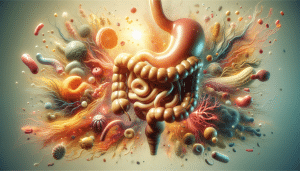
The term ‘gut health’ describes the balance and function of bacteria and other microorganisms in your digestive system. This balance is called the gut microbiome. When people talk about the microbiome, they usually mean the community of microbes living in the intestine. These microbes help digest food, make vitamins, and protect the body from harmful invaders. Many people are surprised to learn how much the gut contributes to overall well-being. A healthy gut isn’t just about digestion. There is growing research linking gut function to immune health, mood, and even chronic diseases. For many, improving gut health starts with understanding its influence throughout the body.
The gut lining acts like a gatekeeper, letting helpful substances pass while blocking harmful ones. When it works well, your risk of infection and inflammation goes down. However, if things go wrong, symptoms like bloating, discomfort, or diarrhea can appear. Some research suggests a link between an unhealthy gut and issues like autoimmune disease or mental health conditions. That’s because about 70 percent of the immune system is in the gut! Awareness of this has inspired a broader interest in gut health strategies and products.
Interacting daily with environmental factors, the gut microbiome adapts to what you eat and your lifestyle. Stress, antibiotics, and poor diet can negatively affect this ecosystem. Fortunately, making thoughtful changes can make a difference over time. Strong evidence now supports the idea that nourishing the gut leads to benefits beyond digestion—potentially impacting energy levels and mental clarity. The journey to support good gut health often begins with small steps and mindful choices.
The Role of Probiotics and Prebiotics
Probiotics and prebiotics get a lot of attention in gut health discussions. Probiotics are live microorganisms that add to the population of good bacteria in your digestive system. Meanwhile, prebiotics are types of fiber that feed these beneficial bacteria. Think of probiotics as helpful guests and prebiotics as their favorite snacks. Many fermented foods, such as yogurt, kefir, kimchi, sauerkraut, and miso, are rich in probiotics. Including these in your diet can help foster a balanced microbiome and may support digestion, bowel regularity, and immune function based on ongoing research (https://www.nccih.nih.gov/health/probiotics-what-you-need-to-know).
On the other hand, prebiotics found in foods like garlic, onions, asparagus, and bananas help beneficial bacteria thrive. When prebiotics are digested in the gut, they produce compounds that nourish the intestinal lining. Recent studies highlight how diets high in prebiotic fiber can increase levels of short-chain fatty acids linked with gut and even brain health (https://www.ncbi.nlm.nih.gov/books/NBK459455/). Including both prebiotics and probiotics in daily meals may produce a more resilient gut environment.
It can be tempting to reach for supplements, but many professionals recommend starting with whole foods. The diversity of both probiotics and prebiotics in a balanced diet helps to create a vibrant, robust microbiome. While supplements can be helpful for some, they shouldn’t replace dietary sources without speaking to a healthcare provider. Experimenting with small additions of these foods is a gentle way to support your digestive health and better understand what works for your unique biology.
Common Gut Disruptors to Watch For
Even with the best intentions, several everyday habits can disrupt gut health. Stress is a major contributor. When people feel anxious or overwhelmed, their bodies release hormones that may alter digestion and change the makeup of gut bacteria. Research has also shown that chronic stress can weaken the immune system, which is closely linked to gut function (https://www.apa.org/topics/stress/body). Another disruptor? Overuse of antibiotics. While these medicines are vital for certain infections, they can also wipe out helpful bacteria along with the harmful ones.
Highly processed foods—with lots of added sugars, unhealthy fats, or artificial ingredients—can throw off the balance in your gut. These foods may encourage the growth of less beneficial bacteria. Emerging studies suggest that a diet rich in natural, plant-based foods supports more diverse and beneficial microbial communities (https://www.hsph.harvard.edu/nutritionsource/healthy-gut-bacteria/). Smoking, lack of movement, and irregular sleep also play roles in digestive problems. Identifying what disrupts your own gut ecology is the first step toward creating a friendlier environment inside your body.
It’s not just what you eat or do—it’s also how you live day to day. Many factors work together in invisible ways. Tracking food, stress, and habits can reveal patterns behind digestive issues. With these insights, small adjustments become possible. Whether cutting back on processed food, practicing mindfulness, or reviewing medication with a professional, tiny changes often make a noticeable impact. The journey to a healthy gut is rarely about drastic steps; gentle, steady progress tends to work best for most individuals.
Diet Diversity and Its Surprising Effects
Diet diversity means eating a broad mix of foods from all food groups. This habit feeds many different strains of beneficial bacteria, making the microbiome more robust. Studies indicate that a diversified diet—featuring vegetables, fruits, nuts, whole grains, legumes, and lean proteins—leads to greater bacterial diversity, linked with better resilience to stress and illness (https://www.ncbi.nlm.nih.gov/pmc/articles/PMC6469458/). Eating colorfully doesn’t just make meals more appealing. It also increases fiber, antioxidants, and micronutrients.
Many diet trends focus on what to limit, but expanding meal options may deliver more gut benefits. Adding a new vegetable or whole grain each week can be interesting and enjoyable. This approach exposes the microbiome to a range of fibers, boosting its strength over time. Even simple swaps—brown rice instead of white, or adding beans to a soup—make a difference over months. Most nutritionists recommend aiming for at least 30 different plants per week, a target that helps maximize those gut-friendly effects.
A more varied diet also helps prevent nutritional gaps and boredom. While it’s easy to fall into familiar food routines, gentle experimentation feeds your gut and your curiosity. Options change with the seasons, and local produce provides unique nutrients not found elsewhere. The message is clear: feeding your gut starts with feeding your curiosity. Those open to trying new dishes often enjoy the process and discover unexpected favorites, all while nurturing gut resilience.
Lifestyle Habits That Support Gut Function
Exercise and sleep are two critical, yet often underappreciated, factors in gut health. Regular physical activity improves how food moves through the digestive tract. It also may boost the number and diversity of healthy bacteria. Moderate movement—like walking, cycling, or swimming—offers steady benefits for digestion and overall well-being. Similarly, consistent, restful sleep is crucial for maintaining the gut-brain connection. Sleep disruptions may be linked with altered gut flora and discomfort (https://sleepfoundation.org/sleep-hygiene/improving-gut-health).
Mindfulness and relaxation practices such as meditation, yoga, or slow breathing exercises help regulate the stress response. Reduced stress often leads to improved digestive comfort. There is solid evidence suggesting that supporting mental wellness, even in small ways, translates to smoother gut function and fewer symptoms for people with digestive issues. These habits create a cycle where improved mood fosters better digestion, which in turn provides more energy for healthy habits.
Hydration is another simple habit with significant effects. Water keeps digestion moving, supports the breakdown of food, and helps with nutrient absorption. Professionals recommend consistent hydration alongside self-awareness—listening to your body’s cues about what feels good and what doesn’t. Simple, daily choices can bring meaningful improvements for many. The support of gut health is an ongoing process rooted in everyday routines, not quick fixes.
When to Consider Professional Support
Some signs may signal the need to check in with a healthcare professional. These include persistent pain, unexplained weight loss, blood in the stool, or worsening digestive problems. While lifestyle changes can be powerful, certain symptoms require deeper investigation and the support of medical expertise for safe, effective solutions (https://www.cdc.gov/digestive-health/signs-symptoms.html).
Professionals such as registered dietitians and gastroenterologists use proven assessments to identify food sensitivities, allergies, or more complex digestive disorders. They may suggest elimination diets, special testing, or targeted therapies. These evaluations are especially useful for those who do not see improvement despite trying standard gut-friendly strategies. Having access to a supportive care team can ease anxiety and speed up the healing process when uncomfortable symptoms persist.
Personalized care is important, as everyone’s gut is different. Trusted medical advice ensures changes are safe, reasonable, and effective. It’s always a wise choice to reach out early if new symptoms arise or if digestive health becomes a source of worry. Alongside self-care, professional support rounds out a comprehensive approach to gut health for lasting well-being.
References
1. National Center for Complementary and Integrative Health. (n.d.). Probiotics: What You Need To Know. Retrieved from https://www.nccih.nih.gov/health/probiotics-what-you-need-to-know
2. National Institutes of Health. (n.d.). Prebiotics, Probiotics, and the Gut Microbiome. Retrieved from https://www.ncbi.nlm.nih.gov/books/NBK459455/
3. American Psychological Association. (n.d.). Stress Effects on the Body. Retrieved from https://www.apa.org/topics/stress/body
4. Harvard T.H. Chan School of Public Health. (n.d.). The Nutrition Source: Healthy Gut Bacteria. Retrieved from https://www.hsph.harvard.edu/nutritionsource/healthy-gut-bacteria/
5. Valdes, A. M., et al. (2018). Role of the gut microbiota in nutrition and health. BMJ. Retrieved from https://www.ncbi.nlm.nih.gov/pmc/articles/PMC6469458/
6. Sleep Foundation. (n.d.). Improving Gut Health. Retrieved from https://sleepfoundation.org/sleep-hygiene/improving-gut-health

 You Can Build a Side Hustle That Pays Off