Unlocking Gut Health Secrets for Wellness
Camila Torres September 28, 2025
Gut health is at the center of wellness conversations, but many overlook its full impact. Dive into how gut health influences digestion, mood, immunity, and everyday vitality with practical strategies and evidence-based guidance.
Understanding the Impact of Gut Health on the Body
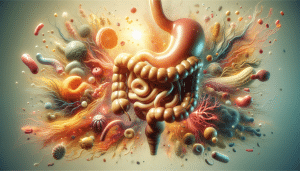
The gut does much more than help digest food. It’s actually a complex system filled with trillions of microbes called the gut microbiome. These tiny organisms influence digestion, immune response, and even emotional balance. People are often surprised to learn the gut is referred to as the ‘second brain’ due to its direct line of communication with the central nervous system. When the gut works well, nutrient absorption and waste elimination remain efficient, contributing to energy levels and comfort in daily life. Preserving gut integrity means supporting the diverse community of beneficial bacteria, which play a critical role in protecting against pathogens and processing key nutrients.
Ongoing research suggests that an unbalanced gut microbiome can increase the risk of chronic conditions, including inflammatory bowel disease, irritable bowel syndrome, obesity, and even diabetes (Source: https://www.ncbi.nlm.nih.gov/pmc/articles/PMC5641835/). Many people don’t realize digestive discomfort, mood swings, and weakened immunity can sometimes be traced right back to gut health concerns. Positive steps, such as increasing fiber and introducing probiotic-rich foods, help nurture beneficial bacteria for improved health outcomes.
The connection between the gut and mental state is compelling. The gut produces neurotransmitters like serotonin, crucial for stable mood and cognitive clarity (Source: https://medlineplus.gov/gutsandmood.html). Disruptions in gut flora composition are being linked to anxiety and depressive symptoms in various studies. Focusing on gut wellness can be a proactive approach to enhancing both mind and body, as the benefits ripple through multiple systems.
Everyday Habits That Nurture a Healthy Gut
Diet plays a foundational role in gut health. Meals packed with dietary fiber—think vegetables, whole grains, fruits, and legumes—encourage the growth of beneficial bacteria. Fermented foods like yogurt, kefir, sauerkraut, and kimchi supply natural probiotics, which further reinforce the body’s microbiome (Source: https://www.hsph.harvard.edu/nutritionsource/probiotics/). Hydration also aids digestion and keeps the intestinal lining robust, allowing nutrients to be absorbed efficiently. On the other hand, a diet high in processed foods, added sugars, and unhealthy fats may disrupt gut harmony, reducing resilience and overall wellness.
Physical activity has a lesser-known yet significant effect on gut health. Regular exercise stimulates motility, which helps prevent constipation and keeps the digestive system active. Beyond mechanical benefits, studies show that those who move more tend to have a greater diversity of gut bacteria, which correlates with improved immunity and less inflammation. Activity doesn’t have to be intense; brisk walks, gentle stretching, or moderate cycling can all make a meaningful difference in microbiome balance.
Chronic stress poses challenges for gut health. The brain and gut are in constant conversation, so heightened stress can alter gut motility and the composition of bacteria. Mind-body techniques such as meditation, mindful breathing, or even simple pauses can provide relief and support both digestive and psychological wellness (Source: https://www.apa.org/news/press/releases/2012/08/gut-feelings). Striking a balance in daily routines, integrating stress-reduction practices, and prioritizing sleep are all components of a gut-friendly lifestyle.
Choosing Probiotics: Myths, Facts, and Options
Probiotics are living microorganisms offering health benefits when consumed in sufficient numbers. With so many products on the market—capsules, drinks, and food items alike—understanding what to look for is vital. Scientific studies reveal that benefits vary dramatically depending on the strain and dose (Source: https://www.nccih.nih.gov/health/probiotics-what-you-need-to-know). The best option depends on personal needs; for example, some strains help with regulating bowel movements, while others may support immune defense.
Contrary to some myths, not every probiotic on the shelf provides real value. Supplements aren’t all created equal, and higher prices don’t always guarantee effectiveness. Reading labels, checking for well-documented strains, and choosing options that survive stomach acid are recommended steps. For individuals with specific digestive issues or concerns, discussing options with a registered dietitian or healthcare provider offers personalized insight and guidance.
For many, regular intake of probiotic foods—like yogurt with active cultures, miso, or tempeh—can deliver a gentle, tasty approach to microbiome care. These foods contain naturally occurring beneficial bacteria that support digestion, absorption, and protective functions. Balance is key, as too much of any supplement can sometimes create its own issues. Exploring reputable sources and understanding long-term effects are part of a smart, wellness-focused strategy.
Recognizing Symptoms of Poor Gut Health
Gut health imbalances reveal themselves in many forms. Common digestive issues such as bloating, gas, irregular bowel movements, heartburn, or abdominal discomfort are often early indicators. Ongoing discomfort may warrant closer attention to daily food choices and lifestyle habits, as persistent symptoms can sometimes point to underlying imbalances or irritations in the digestive tract (Source: https://gi.org/topics/digestive-health-tips/).
Beyond the stomach, skin conditions like eczema, fatigue, unintentional weight changes, or increased susceptibility to colds might relate to gut health disruptions. Many people don’t associate skin and immunity with the digestive system, but these outside-the-gut symptoms are being linked to shifts in bacterial balance. Staying alert to patterns and tracking changes over time helps with early recognition and informed conversations with healthcare professionals.
It’s essential to distinguish between occasional discomfort and ongoing symptoms. If digestive or related issues persist or worsen, a healthcare provider can offer targeted evaluations, screen for food intolerances, or recommend a referral to a specialist. Early intervention supports recovery and comfort, and modern diagnostics allow for in-depth exploration of gut-related health challenges.
Gut Health and Immunity: How the Connection Works
The gut is home to a major share of immune system activity. Microbial communities interact closely with immune cells located in the gut lining, together forming a crucial barrier against pathogens. A healthy mucosal lining helps recognize and fend off unwelcome invaders while maintaining tolerance to safe materials (Source: https://www.ncbi.nlm.nih.gov/pmc/articles/PMC7427604/). A compromised gut can mean a weakened immune response, leaving the body more vulnerable to infections and inflammation.
Some experts now consider gut integrity foundational for overall immune resilience. Dietary choices, sleep quality, and managing chronic stress all shape this ecosystem and its immune support capabilities. Even simple practices, like diverse produce choices and limiting unnecessary antibiotics, strengthen protective barriers without complex regimens. It’s not about quick fixes, but small, sustainable changes supporting both digestive and whole-body wellness.
Emerging research also points to the gut’s role in immune overreactions, such as allergies or autoimmune conditions. Understanding the nuances helps people make informed choices and spark constructive conversations with healthcare providers when symptoms shift or persist. The links between the gut and defense systems promise ongoing breakthroughs in preventative health strategies and interventions for chronic immune challenges.
Strategies for Long-Term Gut Wellness
Embracing gut-friendly routines is a lifelong journey. Rather than seeking short-term solutions, adopting daily habits with lasting impact is key. That starts by maintaining a diet rich in fiber, probiotic foods, and plenty of plant diversity, which supports a balanced microbial environment over time. Regular hydration and the avoidance of excessive alcohol or processed foods add further benefits to digestive resilience.
Gut-friendly living extends to stress management, regular movement, and sleep hygiene. These pillars work together to reduce gut inflammation, maintain gut lining integrity, and support the communication loop between brain and digestive tract. Tracking daily habits, noticing changes, and responding gently to symptoms are all part of a proactive, self-aware health plan that prioritizes gut function and overall wellbeing.
When experimenting with new foods or supplements, patience pays off. Some shifts in microbiome composition take weeks to yield noticeable results. Documenting dietary changes, symptoms, and general wellness can help identify what truly works for long-term benefit. Personalized guidance from health professionals, especially for chronic or complex symptoms, refines the process and maximizes results for gut and total health.
References
1. Valdes, A. M., Walter, J., Segal, E., & Spector, T. D. (2018). Role of the gut microbiota in nutrition and health. BMJ, 361, k2179. Retrieved from https://www.bmj.com/content/361/bmj.k2179
2. National Center for Biotechnology Information. (2017). Gut microbiota’s effect on mental health: The gut-brain axis. Retrieved from https://www.ncbi.nlm.nih.gov/pmc/articles/PMC5641835/
3. MedlinePlus. (n.d.). Gut feelings: How food affects your mood. Retrieved from https://medlineplus.gov/gutsandmood.html
4. Harvard T.H. Chan School of Public Health. (n.d.). Probiotics. Retrieved from https://www.hsph.harvard.edu/nutritionsource/probiotics/
5. American Psychological Association. (2012). Mind/body health: Stress. Retrieved from https://www.apa.org/news/press/releases/2012/08/gut-feelings
6. National Institutes of Health. (2020). The impact of the gut microbiota on immune homeostasis and diseases. Retrieved from https://www.ncbi.nlm.nih.gov/pmc/articles/PMC7427604/

 Why Artificial Intelligence Is Reshaping the News You Read