Fitness Routines That Improve Strength and Flexibility
Camila Torres September 26, 2025
In the ever-evolving world of fitness, enthusiasts and experts alike are moving beyond traditional workout splits. Enter the hybrid fitness routine—a modern approach to training that seamlessly blends strength and flexibility exercises into one cohesive workout. This emerging trend isn’t just about getting stronger or more flexible; it’s about achieving both simultaneously. As more people aim for overall fitness, hybrid routines are offering an efficient, time-saving solution to work on multiple aspects of physical health in a single session.
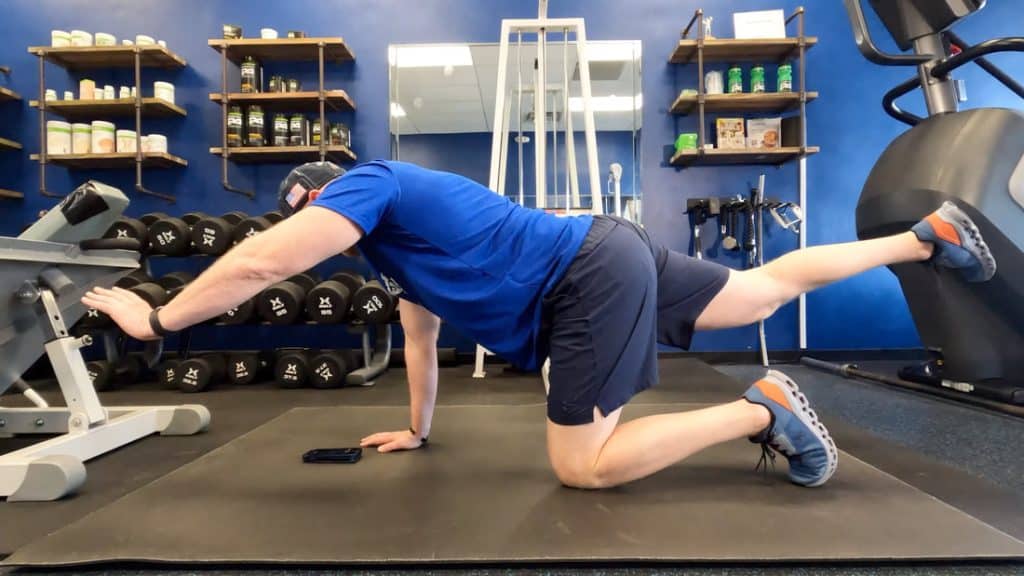
What Are Hybrid Fitness Routines?
Hybrid fitness routines are exactly what they sound like: workouts that incorporate different types of training—strength-building exercises and flexibility-focused movements—into a single workout. For instance, one might alternate between weightlifting, yoga poses, and mobility drills throughout a session. These routines provide a comprehensive fitness experience, allowing individuals to develop not only strength and muscle mass but also flexibility, joint health, and improved posture.
While strength training helps increase muscle size and bone density, flexibility exercises enhance the range of motion, reduce muscle tension, and promote recovery. The beauty of hybrid routines lies in their ability to work on both of these areas concurrently.
Why Hybrid Workouts Are Gaining Popularity
- Efficiency: Time is precious, and hybrid workouts maximize efficiency by targeting multiple fitness goals in one session. For those with busy schedules, these routines offer the perfect way to get a full-body workout without having to spend hours in the gym.
- Improved Performance: Combining strength with flexibility allows for enhanced overall athletic performance. For example, strong muscles and flexible joints work together to support better movement patterns, reduce the risk of injury, and help athletes achieve peak performance across various sports.
- Injury Prevention: One of the key benefits of adding flexibility work to strength training is the reduction in injury risk. Flexible muscles and joints are less prone to strains, sprains, and overuse injuries. By incorporating dynamic stretches and mobility drills alongside lifting weights, individuals can improve their recovery and reduce post-workout soreness.
- Better Posture and Mobility: Strength-focused routines often tighten muscles, especially in the lower back and shoulders. Flexibility training counters this by improving posture, increasing joint mobility, and enhancing overall body alignment. This combination contributes to better functional movement in daily activities.
Key Elements of Hybrid Fitness Routines
To create a hybrid routine that addresses both strength and flexibility, consider including the following key components:
1. Strength Training
- Examples: Deadlifts, squats, bench presses, and overhead presses. These compound movements build muscle mass and increase overall strength.
- Focus: Building strength in the major muscle groups such as the legs, back, chest, and arms.
2. Dynamic Stretching
- Examples: Leg swings, arm circles, walking lunges, and torso twists. These exercises improve flexibility, especially before lifting weights, to prepare muscles and joints for the workout.
- Focus: Warming up the muscles and joints, improving blood flow, and increasing range of motion.
3. Static Stretching
- Examples: Forward bends, quadriceps stretches, and shoulder stretches. These stretches are held for a longer duration after your strength workout to improve flexibility and prevent stiffness.
- Focus: Increasing muscle elasticity and reducing post-workout soreness.
4. Mobility Drills
- Examples: Hip openers, shoulder rotations, and ankle circles. These exercises help improve joint mobility and can be performed at the beginning or end of a workout.
- Focus: Maintaining healthy joints and ensuring a full range of motion.
5. Yoga or Pilates
- Examples: Sun salutations, downward dog, cobra pose, and Pilates roll-ups. These disciplines offer a perfect mix of strength and flexibility, focusing on core engagement, stability, and flexibility.
- Focus: Enhancing mental and physical well-being through bodyweight exercises that promote both strength and flexibility.
How to Create a Balanced Hybrid Routine
Creating a balanced hybrid routine that improves both strength and flexibility requires thoughtful planning. Here’s a simple guideline for structuring your workout:
- Warm-Up (10 minutes):
- Start with 5 minutes of light cardio (e.g., jumping jacks or jogging) to get the blood flowing.
- Follow with 5 minutes of dynamic stretching targeting the main muscle groups you’ll be using.
- Strength Training (30-40 minutes):
- Focus on compound movements that work multiple muscle groups.
- Perform 3-4 sets of 8-12 reps for each exercise with rest in between.
- Example: Deadlifts, squats, and push-ups.
- Flexibility and Mobility (10-15 minutes):
- After strength training, focus on static stretching for the muscles worked, holding each stretch for 20-30 seconds.
- End with a mobility drill targeting any stiff joints (e.g., hip rotations or shoulder circles).
- Cooldown (5 minutes):
- Conclude with some light stretching or yoga poses to lower your heart rate and enhance muscle recovery.
Sample Hybrid Routine
- Warm-up: Jumping jacks, hip circles, and shoulder rolls.
- Strength Training:
- Squats (3 sets of 12)
- Dumbbell bench press (3 sets of 10)
- Deadlifts (3 sets of 8)
- Flexibility and Mobility:
- Forward bends (30 seconds)
- Butterfly stretch (30 seconds)
- Shoulder stretches (30 seconds)
- Cooldown:
- Child’s pose and cat-cow stretches for spinal mobility.
The Future of Hybrid Fitness Routines
Hybrid fitness routines are gaining traction not just among fitness enthusiasts, but also among athletes, weekend warriors, and even older adults looking to maintain mobility and strength. With more gyms offering hybrid classes and online programs promoting flexibility-focused strength training, this approach seems poised to become a cornerstone of modern fitness culture.
As hybrid fitness continues to grow in popularity, expect to see more innovative ways to combine these two critical elements of fitness. Whether you’re aiming to build muscle, improve flexibility, or simply feel better in your body, hybrid workouts provide a practical and effective approach to achieving your fitness goals.
Conclusion
Hybrid fitness routines are revolutionizing how we approach physical health by seamlessly combining strength and flexibility exercises. This efficient training method offers a time-saving solution to work on multiple fitness goals simultaneously, improving overall performance and reducing injury risk. Whether you’re an athlete, fitness enthusiast, or just someone looking to feel better and more agile, incorporating hybrid routines into your workout regimen can offer substantial benefits. As fitness continues to evolve, these integrated approaches will likely remain a core part of training for years to come, emphasizing the importance of both strength and flexibility in maintaining a healthy body.
References
- Cormie, P., McGuigan, M. R., & Newton, R. U. (2011). Developing maximal neuromuscular strength: A review of the acute program variables. Available at: https://link.springer.com (Accessed: 26 September 2025)
- Granacher, U., Muehlbauer, T., Gollhofer, A., & Kriemler, S. (2013). Effects of strength training on muscle strength and performance in children and adolescents: A review. Available at: https://link.springer.com (Accessed: 26 September 2025)
- Behm, D. G., & Sale, D. G. (1993). Velocity specificity of resistance training. Available at: https://link.springer.com (Accessed: 26 September 2025)

 Travel Experiences That Encourage Mindful Exploration