Unlocking the Science of Gut Health for Optimal Wellness
Camila Torres September 25, 2025
Gut health has surged in popularity as more people recognize its vital impact on overall well-being. This guide explores the relationship between the gut microbiome, digestive wellness, immunity, mental clarity, and daily life, offering you valuable insights for nurturing a happier, healthier body.
The Gut Microbiome: Your Internal Ecosystem
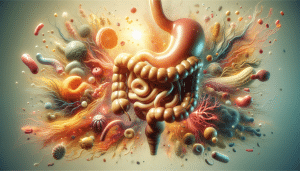
The gut microbiome is teeming with trillions of bacteria, fungi, and other microorganisms that impact nearly every system in the body. This microscopic ecosystem breaks down food, creates essential vitamins, and helps keep harmful invaders at bay. Diversity in your gut microbiota supports resilient digestion, immune defenses, and even produces compounds linked to lower inflammation. For individuals aiming to improve digestive wellness, understanding the intricacies of your internal ecosystem can reveal how eating habits, stress, and sleep influence your entire well-being. Scientists have mapped hundreds of gut bacteria species, proving that no two people share the same microbial signature, making your microbiome truly unique (https://www.niaid.nih.gov/research/human-microbiome-program).
Diet plays a profound role in shaping gut microbiota. Fiber-rich foods such as legumes, leafy greens, and whole grains feed beneficial bacteria, increasing their numbers and activity. In contrast, heavily processed foods, excess sugar, and artificial additives may disrupt this delicate balance, allowing less helpful organisms to take over. Researchers have linked these disturbances to digestive discomfort, bloating, and an increased risk of chronic disease. Simple changes in dietary patterns can gradually nurture gut health. Ongoing research continues to reveal surprising links between nutrition, microbiome diversity, and systemic inflammation.
High demand for probiotics and prebiotic foods reflects a growing public awareness of the need to maintain a balanced gut ecosystem. Supplements—while popular—offer varying results, and many health experts stress the importance of whole foods over pills for lasting change. What works for one person may not impact another the same way. Experimenting with dietary adjustments and monitoring gut response often provides the clearest clues to what your body needs for balance. This gut-centered approach, supported by both traditional wisdom and modern science, is changing how many view daily wellness.
Signs of a Healthy Gut and What Influences It
Recognizing the hallmarks of a healthy gut can guide better choices. Key signs include smooth, regular digestion, minimal bloating, comfortable stools, and stable energy throughout the day. A resilient gut also helps regulate immune activity, so fewer infections and milder illnesses may point to good microbial balance. Those who regularly consume a variety of plant-based foods, fermented products, and adequate hydration tend to report these positive gut-related outcomes. However, antibiotic use, chronic stress, and insufficient sleep can disrupt even the most well-balanced routines, showing how sensitive the microbiome truly is.
The relationship between stress and gut wellness is especially intriguing. The gut-brain axis—an intricate communication line—means mental strain can send clear ‘distress signals’ to your digestive tract. This may result in stomachaches, appetite shifts, or irregularity. Mindfulness practices, gentle exercise, and prioritizing rest are shown to reduce the frequency and intensity of gut disturbances. Over time, caring for both your mind and body can positively influence the balance of bacteria and the strength of your internal defenses.
Additionally, genetics and life experiences shape the composition of your gut. From birth, the types of bacteria picked up during delivery and breastfeeding leave lasting imprints. Exposure to varying environments, diverse diets, and even pet ownership can further influence the microbial community living inside. While there’s no universal formula for a ‘perfect’ gut, focusing on variety, moderation, and lifestyle balance provides the strongest foundation for flourishing gut health. Ongoing monitoring and adapting personal routines can help navigate fluctuations triggered by stress, illness, or dietary changes.
The Gut-Immune System Connection
The gut is central to your immune system, housing nearly 70% of immune tissues and cells. This means most defenses against harmful bacteria, viruses, and other unwanted invaders begin in the gut. By supporting a healthy balance of microorganisms, you help these immune warriors function effectively. Studies indicate that individuals maintaining robust microbial diversity often respond more efficiently to infections and experience fewer auto-immune flares or allergies. Thus, the journey to stronger immunity may start with routine support of your digestive tract’s health (https://www.ncbi.nlm.nih.gov/pmc/articles/PMC7155555/).
Microbial imbalances, sometimes triggered by antibiotics or poor diet, can allow ‘bad’ germs to crowd out beneficial organisms. This disruption, known as dysbiosis, has been linked to inflammatory bowel disease, asthma, and even certain autoimmune syndromes. Rebalancing gut flora through increased dietary fiber, fermented foods, or in some cases targeted probiotics, can help restore order and reinforce immune barriers. Research is ongoing to understand which types of foods and bacteria offer the most reliable support in this area, so it’s crucial to seek approaches supported by credible scientific findings.
There’s also evidence that gut health may influence reactions to seasonal illnesses, vaccine responses, and recovery time from infections. Maintaining the integrity of your gut lining—by avoiding excessive alcohol, processed foods, and stress—can help prevent unwanted substances from entering the bloodstream. A steady flow of antioxidants and plant polyphenols from fruits and vegetables further supports immune readiness. The interplay between nutrition, lifestyle, and microbe resilience is shaping new recommendations for achieving everyday protection from within.
Gut-Brain Axis: How Digestion Affects Mental Clarity
The gut-brain axis is a two-way signaling network that connects emotional and cognitive centers in the brain with functions of the gut. Emerging research suggests that the gut microbiota can influence mood, decision-making, memory, and clarity of thought. When good bacteria flourish, they help produce neurotransmitters like serotonin and dopamine, which contribute to feelings of calm and focus. Conversely, an imbalanced gut may contribute to anxiety, irritability, or cloudy thinking. This makes nurturing gut health an exciting strategy for those seeking sharper mental wellness and day-to-day performance (https://www.apa.org/monitor/2012/09/gut-feeling).
Stress commonly impacts digestion. When feeling overwhelmed, gut function can change abruptly, manifesting as cramps, altered bowel movements, or loss of appetite. Mindfulness, meditation, and breathing exercises have been shown to calm digestive symptoms and, together with a well-balanced diet, support both mental and gut resilience. For some, tracking these mind-gut interactions helps pinpoint which routines foster clarity and composure. Behavioral interventions, including regular physical activity and nature exposure, can work synergistically with nutrition for both brain and gut benefits.
Scientific advancements are making it easier to study the chemical messengers traveling between the gut and brain. Some clinical trials explore how targeted probiotics might improve cognitive function or mood management, though more large-scale research is needed before making specific recommendations. As understanding deepens, many people find that simple wellness practices focused on gut support also offer surprising payoffs for mood and mental sharpness. A holistic approach weaving together sleep, nutrition, and mental care is proving transformative for many.
Daily Habits for a Happier Gut
Daily habits are the cornerstone of gut wellness. Small adjustments—like increasing fiber, varying food choices, and including live-culture foods, such as yogurt, kefir, or sauerkraut—can have lasting effects on gut diversity and digestive comfort. Staying hydrated and establishing regular eating patterns are proven helpers. Listening to internal hunger cues rather than external pressures helps the gut by preventing over- or under-eating, further fostering microbial stability and comfort. Blending these routines over time makes positive change sustainable and less overwhelming (https://www.nhs.uk/live-well/eat-well/how-to-get-more-fibre-into-your-diet/).
Physical activity goes hand-in-hand with digestive wellness. Movement helps stimulate intestinal flow and supports regularity, reducing the risk of constipation or discomfort. Simple practices—like walks after meals—are effective at keeping digestion humming along. People who engage in gentle forms of exercise, such as yoga or stretching, often report improvements in both gut and mood, reflecting the interconnectedness of all body systems. Prioritizing sleep, limiting late-night meals, and creating a wind-down routine may further enhance gut-brain harmony.
Some may wonder about supplements like prebiotics or probiotics. While these can offer support, especially after antibiotic use or digestive distress, most health organizations recommend prioritizing a balanced diet for the majority of daily needs. Consult with specialized professionals if concerns persist, particularly for persistent or severe symptoms. The evolving science of personalized nutrition may, in the future, offer more tailored insights. Meanwhile, most reap benefits from focusing attention on everyday routines and gradual improvements for robust, lasting gut health.
Myths and Facts About Gut Health
Misinformation about gut health is everywhere. While some believe expensive cleanses or trend-driven diets are required to reset microbial balance, experts caution that these approaches may actually do more harm than good. There is limited scientific backing for intense ‘detox’ protocols, and extreme restriction can deplete healthy bacteria. Most professionals suggest focusing on consistency with varied, whole-food meals, slow and steady improvements, and skepticism toward quick fixes. Fact: your body’s natural processes already excel at detoxification (https://www.cdc.gov/healthywater/drinking/nutrition/index.html).
Another common myth is that everyone should avoid gluten, dairy, or FODMAPs for better digestion. In reality, most individuals tolerate these foods unless diagnosed with medical sensitivities or conditions like celiac disease or IBS. Elimination diets should only be undertaken with guidance from a qualified health provider to avoid nutritional gaps. Meanwhile, regular inclusion of a broad spectrum of nutrient-rich foods supports the greatest microbial diversity—a proven marker of gut and overall health.
It’s sometimes claimed that you can ‘fix’ the gut overnight with one supplement or superfood. In truth, gut health is a lifelong relationship, shaped by daily life and adaptable habits. Gentle, incremental changes win over dramatic interventions. By focusing on evidence-based guidance, questioning unsupported claims, and reconnecting with body cues, individuals can cultivate wisdom about what truly benefits their unique digestive landscape.
References
1. National Institute of Allergy and Infectious Diseases. (n.d.). Human Microbiome Program. Retrieved from https://www.niaid.nih.gov/research/human-microbiome-program
2. PubMed Central. (2020). The role of gut microbiota and probiotics in health and disease. Retrieved from https://www.ncbi.nlm.nih.gov/pmc/articles/PMC7155555/
3. American Psychological Association. (2012). Gut feelings: The future of psychiatry may be inside your stomach. Retrieved from https://www.apa.org/monitor/2012/09/gut-feeling
4. NHS. (n.d.). How to get more fibre into your diet. Retrieved from https://www.nhs.uk/live-well/eat-well/how-to-get-more-fibre-into-your-diet/
5. Centers for Disease Control and Prevention. (n.d.). Drinking water, nutrition, and health. Retrieved from https://www.cdc.gov/healthywater/drinking/nutrition/index.html
6. National Institute of Diabetes and Digestive and Kidney Diseases. (n.d.). Digestive Diseases. Retrieved from https://www.niddk.nih.gov/health-information/digestive-diseases

 Unexpected Ways Daily Habits Help Your Skin Glow