Surprising Ways Gut Health Impacts You
Camila Torres September 25, 2025
Explore the fascinating link between gut health and your overall wellness. Uncover how the balance of microbes in your digestive tract may influence not just digestion, but also immunity, mood, and even energy levels.
The Gut Microbiome’s Role in Your Body
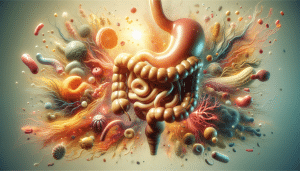
Trillions of microorganisms call your intestinal tract home. Often referred to as the gut microbiome, this complex community includes bacteria, fungi, and viruses playing vital roles in bodily functions. Emerging research suggests that the gut microbiome can influence everything from digestion to inflammation. When you nurture these tiny residents through diet and lifestyle, you support a network that impacts immunity and nutrient absorption in unexpected ways.
Good digestion relies on these microbes to break down complex fibers and synthesize certain vitamins. Deficiencies in beneficial gut bacteria have been linked with gastrointestinal discomfort, bloating, and even chronic conditions like irritable bowel syndrome. Introducing prebiotic and probiotic foods—like yogurt, kimchi, or fiber-rich vegetables—can enhance microbial diversity, promoting smoother digestion and increased resilience against infections.
It’s fascinating how your gut doesn’t just affect your stomach—it can signal your brain and regulate hormones. This two-way street is often called the gut-brain axis. When your gut microbiome is balanced, communication across the body improves, which might contribute to steady mood, better sleep, and lower inflammation throughout your system. Discoveries in gut research continue to unveil connections between microbes and multiple aspects of human wellness (https://www.nih.gov/news-events/nih-research-matters/our-microbes-ourselves).
Digestive Health and Whole-Body Wellness
Ask anyone with frequent digestive discomfort, and they’ll tell you—it can impact every area of life. Researchers now believe gut health goes far beyond the intestines. Digestive issues can affect your body’s nutrient status, energy, and even skin clarity. If you often experience bloating, indigestion, or irregularity, your gut microbes could be out of balance. Supporting digestion with high-fiber foods and hydration helps reset this balance for improved daily function.
Surprisingly, inflammation in the gut has been linked to conditions like joint pain, headaches, and recurring fatigue. Managing stress is another powerful way to support gut health, as chronic stress can compromise the protective barrier of the intestine. Individuals who practice relaxation techniques, such as meditation or deep breathing, may notice positive changes in their digestive comfort and overall vitality over time (https://www.hsph.harvard.edu/nutritionsource/fiber/).
A healthy digestive system also helps detoxify the body by efficiently removing waste products. Regular bowel movements signal that your system is functioning well, while persistent irregularities might indicate underlying issues. Many find that a consistent routine, balanced with proper sleep and gentle movement, can help bring digestive rhythms into alignment, optimizing both gut health and total wellness.
The Gut-Brain Connection and Mood
Have you ever sensed a ‘gut feeling’ during stressful moments? Scientists have uncovered a deep connection between gut microbes and mental wellness. The gut-brain axis describes the communication network linking your intestines and your central nervous system. Microbes in your digestive tract produce neurotransmitters like serotonin, sometimes called the ‘happiness chemical,’ suggesting gut health directly influences mood and emotional resilience.
Fluctuations in the gut flora can coincide with mood swings, anxiety, or even brain fog. Probiotic-rich foods and mindful stress reduction can positively impact emotional wellbeing by creating a stable environment for beneficial bacteria to thrive. Prioritizing gut-friendly nutrition—such as fermented foods, leafy greens, and healthy fats—supports both cognitive clarity and mental balance (https://www.psychologytoday.com/us/basics/gut-brain-connection).
Ongoing research aims to unlock potential dietary interventions for supporting mental health through microbiome management. Some individuals have reported feeling more focused and less stressed after making gut-conscious changes to their daily habits. As new discoveries emerge, the idea of nurturing happiness from the inside out continues to gain momentum, inspiring people to rethink the connection between their mind and their digestive wellness.
How Gut Health Affects Immunity
Roughly 70% of your immune system is located in your gastrointestinal tract. It’s a remarkable statistic! Specialized immune cells patrol the gut lining, monitoring for invaders and regulating inflammatory responses. When the balance of gut microbes is disrupted—whether from poor diet, stress, or medication—your immune defenses may weaken, leaving the body more vulnerable to seasonal illnesses and chronic conditions.
Healthy gut flora communicate with immune cells to help the body identify and neutralize potential threats. This intricate process also plays a part in reducing allergic reactions and maintaining a balanced inflammatory state. Emerging evidence suggests that cultivating microbial diversity through varied nutrition can help train the immune system, potentially lowering the risk of autoimmune flare-ups and allergies (https://www.niaid.nih.gov/research/microbiome).
Taking antibiotics unnecessarily may throw gut bacteria out of balance, diminishing immune support. Whenever possible, consider collaborating with healthcare providers to tailor treatments and explore natural immune boosters like garlic, ginger, or fermented foods. These strategies may help restore and protect the gut’s delicate microbial ecosystem, enabling more robust health defenses year-round.
Simple Everyday Tips to Support Gut Health
Small shifts can make a huge difference for gut health. Start by incorporating a broad variety of plant-based foods, which feed your microbiome and enhance diversity. Aim for whole grains, beans, nuts, and plenty of colorful vegetables on your plate each day. These choices fuel beneficial bacteria and help with smoother digestion and improved regularity.
Avoiding excess sugar and highly processed foods is key because these ingredients may encourage less-beneficial bacteria to thrive. Drinking enough water is another underrated strategy—proper hydration keeps things moving and supports gentle detoxification. For many, adding probiotic or prebiotic foods such as kefir, sauerkraut, or bananas into meals can help maintain microbial balance and digestive harmony (https://www.cdc.gov/nutrition/data-statistics/know-your-limit-for-added-sugars.html).
Mental wellness matters too. Try to set aside regular time for relaxation, laughter, or walks in nature—stress reduction fosters a happy gut. Remember, gradual changes tend to last longer. Slowly building new habits around nutrition, hydration, and self-care can lead to lasting improvements in gut wellness and, by extension, your whole-body vitality.
When to Seek Help for Digestive Issues
Most digestive concerns, such as occasional bloating or mild irregularity, can improve with lifestyle changes. However, persistent symptoms—like ongoing abdominal pain, blood in stools, or unexplained weight loss—may signal an underlying medical issue. Don’t hesitate to reach out to a healthcare provider for a professional evaluation. Early guidance can help prevent complications and restore balance more quickly.
Medical professionals might recommend lab tests, food diaries, or allergy assessments to get a clearer picture of your digestive environment. Specialized interventions such as customized dietary plans or probiotics are sometimes advised to address specific imbalances. Personalized care ensures that recommendations match your needs, harnessing the latest science for targeted relief (https://www.gastro.org/practice-guidance/gi-patient-center/topic/irritable-bowel-syndrome-ibs/).
Tuning in to how your gut feels can be empowering. By paying attention to warning signals and being proactive with professional support, you contribute to a lifetime of better health. Educational resources from reputable wellness organizations offer guidance for individuals who want to learn how gut health may shape long-term wellness, with new research emerging all the time.
References
1. National Institutes of Health. (n.d.). Our Microbes, Ourselves. Retrieved from https://www.nih.gov/news-events/nih-research-matters/our-microbes-ourselves
2. Harvard T.H. Chan School of Public Health. (n.d.). Fiber. Retrieved from https://www.hsph.harvard.edu/nutritionsource/fiber/
3. Psychology Today. (n.d.). Gut-Brain Connection. Retrieved from https://www.psychologytoday.com/us/basics/gut-brain-connection
4. National Institute of Allergy and Infectious Diseases. (n.d.). Microbiome. Retrieved from https://www.niaid.nih.gov/research/microbiome
5. Centers for Disease Control and Prevention. (2021). Know Your Limit for Added Sugars. Retrieved from https://www.cdc.gov/nutrition/data-statistics/know-your-limit-for-added-sugars.html
6. American Gastroenterological Association. (n.d.). Irritable Bowel Syndrome (IBS). Retrieved from https://www.gastro.org/practice-guidance/gi-patient-center/topic/irritable-bowel-syndrome-ibs/

 Interior Organization Ideas That Save Time and Effort