Fitness Routines That Fit Into Daily Life
Camila Torres September 22, 2025
Modern life is busier than ever, and many people struggle to carve out an hour each day for exercise. That’s why fitness routines that fit into daily life have become one of the biggest health trends in 2025. Instead of long gym sessions, more people are adopting micro-workouts and integrated movement—short bursts of exercise woven seamlessly into everyday tasks. These routines don’t just save time; they align with how people live and work today, making fitness accessible and sustainable for everyone.
Why Micro-Workouts Are Gaining Popularity
Micro-workouts—sessions lasting anywhere from 2 to 15 minutes—are being embraced because they fit into the natural rhythms of daily schedules. Unlike traditional workouts, they don’t require travel to a gym, expensive equipment, or large time commitments.
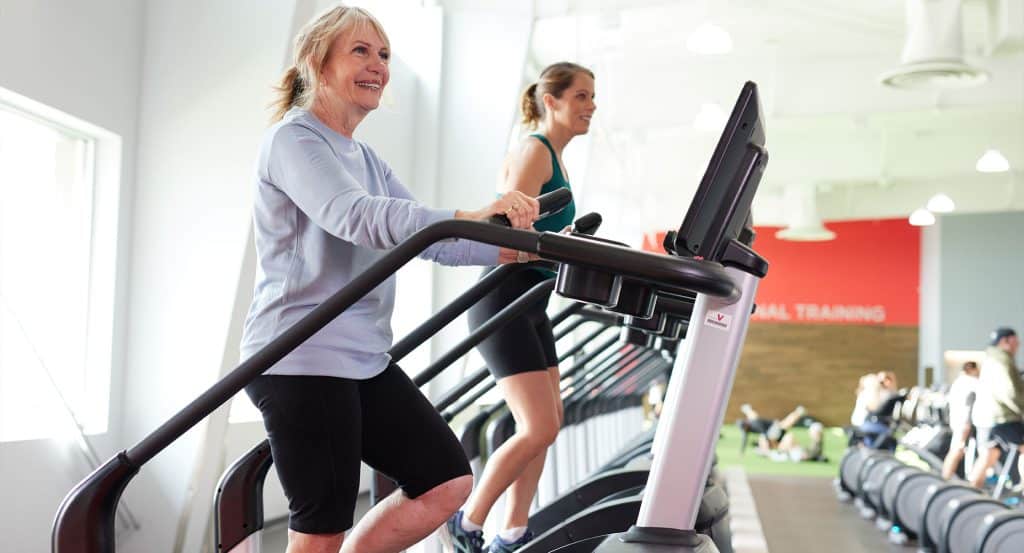
Recent research published in the British Journal of Sports Medicine suggests that even four minutes of vigorous stair climbing spread throughout the day can significantly improve cardiovascular health (Stamatakis et al., 2022). This evidence reinforces the idea that shorter, frequent bouts of exercise can provide comparable health benefits to longer workouts.
Key reasons behind this surge in popularity include:
- Time efficiency: Ideal for busy professionals, parents, and students.
- Accessibility: Can be done almost anywhere, with little or no equipment.
- Sustainability: Easier to stick to over months and years compared to strict gym regimens.
- Flexibility: Individuals can tailor workouts to energy levels and daily demands.
The Health Benefits of Everyday Fitness Routines
Incorporating fitness routines into daily life brings both physical and mental health benefits. Even small changes accumulate into meaningful results.
Physical Benefits
- Cardiovascular health: Regular bursts of activity improve circulation and heart function.
- Strength and endurance: Bodyweight movements such as squats, push-ups, and planks build muscle tone.
- Metabolism boost: Frequent movement keeps the body burning calories more effectively.
- Bone health: Weight-bearing exercises, even simple ones like walking or stair climbing, support bone density.
Mental Benefits
- Stress relief: Short workouts release endorphins, counteracting workplace stress.
- Improved focus: Movement breaks reduce mental fatigue, boosting productivity.
- Mood support: Physical activity is linked to reduced risk of depression and anxiety.
According to the World Health Organization (2024), adults should aim for at least 150 minutes of moderate activity per week. The encouraging news is that these minutes can be spread throughout the day in small, manageable segments.
Practical Ways to Add Fitness Into Daily Life
Adopting fitness routines that fit into daily life doesn’t require a complete lifestyle overhaul. Here are practical, easy-to-follow strategies:
- Commute Smart
- Walk or bike instead of driving short distances.
- Get off public transport a stop early and walk.
- Desk-Friendly Moves
- Do chair squats or calf raises every hour.
- Stretch your shoulders, neck, and back during breaks.
- Household Chores as Workouts
- Turn vacuuming into a lunge workout.
- Carry groceries in both hands to strengthen arms and core.
- Leverage Technology
- Use smartwatch reminders to stand and move hourly.
- Follow guided 5-minute workout videos during breaks.
- Exercise Snacks
- Perform 10 push-ups before lunch.
- Do 3 rounds of stair climbs after work calls.
- Family or Social Movement
- Take post-dinner walks with family.
- Suggest walking meetings with colleagues instead of sitting.
These examples highlight how exercise doesn’t need to be separate from daily routines—it can blend seamlessly into them.
The Role of Technology in Daily Fitness
Technology is one of the strongest enablers of this trend. In 2025, AI-driven apps and wearable devices are making fitness more personalized and convenient.
- AI Coaching Apps: Platforms like Freeletics and Fitbod adjust workouts based on progress and preferences.
- Wearables: Smartwatches monitor steps, heart rate, and sleep, giving a complete health picture.
- On-Demand Micro-Workouts: TikTok and YouTube Shorts have become fitness hubs with routines designed for limited time and space.
- Gamification: Apps turn fitness into challenges, rewarding users for consistency.
Statista projects that the global fitness app market will exceed 30 billion dollars by 2026, driven by demand for at-home solutions and integrated digital health tools.
Overcoming Common Barriers
Even with shorter workouts, challenges remain. Common obstacles include:
- Lack of motivation: Solution: Set small, achievable goals and track progress with streak apps.
- Inconsistent routines: Solution: Pair workouts with habits you already do, like stretching while your coffee brews.
- Space limitations: Solution: Focus on no-equipment exercises such as planks, wall sits, or yoga flows.
- Self-doubt: Solution: Start with just two minutes daily—consistency matters more than intensity.
By anticipating these barriers, people can stay consistent and avoid burnout.
Examples of Micro-Workouts for Different Settings
At Home
- 10 squats + 10 push-ups + 20 jumping jacks = under 3 minutes.
- Quick yoga flow for flexibility and relaxation.
At the Office
- Chair dips or wall push-ups between tasks.
- 2-minute standing stretch sequence during Zoom calls.
Outdoors
- Brisk walking or jogging while running errands.
- Stair climbs at bus or train stations.
These routines prove that fitness can be practical and versatile, adapting to almost any environment.
Why Fitness Routines That Fit Into Daily Life Are the Future
The shift toward fitness routines that fit into daily life reflects a cultural change in how health is viewed. The focus is no longer on extreme intensity or aesthetic goals—it’s about long-term well-being, convenience, and realistic integration.
Employers are even recognizing the benefits, with some offering “movement breaks” or wellness apps as part of workplace perks. Meanwhile, social media trends show millions of users sharing quick workout hacks that prove fitness is no longer confined to gyms.
Ultimately, this trend is about accessibility. By lowering the barrier to entry, making fitness affordable, and integrating it into everyday life, more people can maintain active, healthier lifestyles for the long run. As hybrid work models expand and digital wellness tools continue to evolve, daily movement is becoming not only a personal goal but also a shared cultural standard for sustainable health.
References
- Stamatakis, E., et al. (2022). Vigorous intermittent lifestyle physical activity and health outcomes. British Journal of Sports Medicine. Available at: https://bjsm.bmj.com (Accessed: 22 September 2025)
- World Health Organization. (2024). Physical activity guidelines for adults. Available at: https://www.who.int (Accessed: 22 September 2025)
- Statista. (2025). Fitness app market size worldwide 2019–2026. Available at: https://www.statista.com (Accessed: 22 September 2025)

 Travel Experiences That Inspire Creativity and Learning