Nutrition Advice for Mental and Physical Health
Camila Torres September 22, 2025
In 2025, conversations about health are no longer limited to workouts or calorie counting. Nutrition advice for mental and physical health has become a top priority as more people recognize the powerful connection between food, mood, and performance. With rising rates of stress, burnout, and concerns about cognitive decline, diets that support both the brain and body are in the spotlight.
This article explores the emerging trend of brain-boosting nutrition, the science behind it, and practical strategies you can adopt to improve overall well-being.

The Rising Connection Between Nutrition and Cognitive Health
For years, nutrition was primarily associated with weight management and physical strength. But research now shows that what we eat directly influences how our brains function.
- A 2023 review in The Lancet Psychiatry revealed that diets high in refined sugar and ultra-processed foods were strongly linked to higher rates of depression and anxiety.
- In contrast, balanced eating patterns like the Mediterranean diet have been associated with sharper memory, improved mood, and reduced risk of Alzheimer’s disease.
This is why “nutritional psychiatry” has gained momentum. The field emphasizes food as a tool not just for physical wellness but also for improving mental health outcomes.
Brain-Boosting Diets: The Hot Trend in 2025
What Are They?
Brain-boosting diets focus on foods that protect neurons, improve communication between brain cells, and reduce inflammation. Unlike fad diets that restrict entire food groups, these approaches encourage balance and variety.
Core Components:
- Omega-3 fatty acids – From salmon, sardines, walnuts, and flaxseeds; critical for brain development and preventing cognitive decline.
- Polyphenols – Antioxidants found in blueberries, dark chocolate, and green tea; they protect brain cells from oxidative stress.
- B vitamins – Essential for producing neurotransmitters like serotonin and dopamine. Deficiencies are linked to fatigue and low mood.
- Fermented foods – Yogurt, sauerkraut, miso, and kefir; they enhance gut health, which strongly influences brain chemistry.
- Magnesium-rich foods – Leafy greens, pumpkin seeds, and legumes; help regulate stress and promote better sleep.
Why This Matters in 2025
Three cultural and scientific forces are making nutrition advice for mental and physical health more relevant than ever:
- Mental health crisis: Anxiety, depression, and chronic stress are on the rise worldwide. Many people are seeking lifestyle-based solutions beyond medication.
- Workplace performance: With hybrid and remote work now the norm, professionals want steady energy, sharper focus, and resilience throughout long days.
- Aging populations: As life expectancy increases, preventing memory decline and dementia is becoming just as important as preventing heart disease or diabetes.
Together, these factors explain why brain-focused nutrition has gone from a niche interest to a mainstream trend.
Practical Nutrition Advice for Mental and Physical Health
Adopting a brain-friendly diet doesn’t mean overhauling everything you eat overnight. Small, consistent changes can make a measurable difference.
1. Start with Breakfast That Fuels the Brain
Instead of skipping breakfast or grabbing something sugary, try:
- Oatmeal topped with blueberries and walnuts
- Scrambled eggs with spinach and whole-grain toast
- Greek yogurt with flaxseeds and pumpkin seeds
These options combine slow-digesting carbs, healthy fats, and proteins to support steady focus all morning.
2. Balance Blood Sugar for Stable Energy
Spikes and crashes in blood sugar can leave you mentally foggy. To avoid this:
- Pair carbs with protein and fat at every meal.
- Choose whole grains (brown rice, quinoa, oats) instead of refined white bread or pastries.
- Include lean proteins like beans, tofu, or chicken for lasting energy.
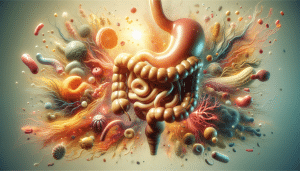
3. Eat for Gut Health
The gut produces up to 90% of the body’s serotonin, making its role in mood regulation critical. Practical steps:
- Add fermented foods (kimchi, kefir, miso) to meals 2–3 times weekly.
- Prioritize fiber-rich foods like apples, beans, lentils, and leafy greens.
4. Hydrate for Mental Clarity
Even mild dehydration can impair attention and memory. A baseline of 2–3 liters of water daily is recommended, adjusted for activity and climate. Herbal teas and water-rich foods (cucumber, watermelon) also count toward hydration.
5. Rethink Snacks
Swap out chips or cookies for snacks that support cognition:
- Almonds, walnuts, or pistachios
- A square of dark chocolate (70% cacao or higher)
- Apple slices with almond butter
6. Prioritize Consistency Over Perfection
One nutrient-rich meal won’t transform brain health overnight, but consistently choosing balanced foods builds resilience over time.
The Role of Supplements
Whole foods should be the foundation, but in some cases, supplements can fill nutritional gaps:
- Omega-3 fish oil: Linked to improved memory and lower rates of depression.
- Vitamin D: Deficiency is associated with seasonal mood disorders.
- Magnesium: Helps regulate stress and promotes relaxation.
However, supplements should not replace a varied diet, and it’s best to consult a healthcare provider before starting them.
Case Study: The Mediterranean Diet and Brain Health
The Mediterranean diet remains the most studied and widely recommended approach for supporting both physical and cognitive health. It emphasizes olive oil, legumes, whole grains, fresh vegetables, and fish.
Benefits Backed by Research:
- Lower rates of depression and anxiety
- Better memory and learning performance
- Reduced risk of cardiovascular disease, which also protects brain function
A 2024 Nutrients study found that adults following the Mediterranean diet scored higher on memory tests compared with those eating a Western diet high in processed foods. This makes it one of the strongest models for combining nutrition advice for mental and physical health.
Building a Brain-Boosting Plate: A Simple Guide
Here’s how to structure a typical day of eating that balances body and mind:
- Breakfast: Oatmeal with berries, chia seeds, and walnuts
- Lunch: Quinoa salad with chickpeas, olive oil, tomatoes, cucumbers, and feta
- Snack: Greek yogurt with pumpkin seeds and a drizzle of honey
- Dinner: Grilled salmon with roasted sweet potatoes and steamed broccoli
- Evening option: Herbal tea and a small piece of dark chocolate
This flexible template can be adapted to your taste, culture, and budget while maintaining key brain-boosting elements.
Final Thoughts
Nutrition advice for mental and physical health is not a passing wellness fad. It’s a sustainable, science-backed approach to building resilience, sharper thinking, and long-term well-being. By focusing on nutrient-rich foods, maintaining balanced blood sugar, and supporting gut health, anyone can create a lifestyle that strengthens both brain and body.
As awareness grows in 2025, the future of health looks increasingly centered on the plate—not just for living longer, but for living better.
References
- Jacka, F. N., et al. (2023). Diet and mental health: The evidence and implications. The Lancet Psychiatry. Available at: https://www.thelancet.com (Accessed: 22 September 2025)
- Sánchez-Villegas, A., & Martínez-González, M. A. (2024). Diet, depression and cognitive decline: Mediterranean diet insights. Nutrients. Available at: https://www.mdpi.com (Accessed: 22 September 2025)
- Harvard T.H. Chan School of Public Health. (2025). The nutrition source: Brain foods. Available at: https://www.hsph.harvard.edu (Accessed: 22 September 2025)

 Emerging Trends in Sustainable Real Estate