Wellness Practices That Boost Mental Clarity
Camila Torres September 19, 2025
There’s a fresh wave of mental clarity trends sweeping wellness circles—forest bathing, silent walking, AI-guided mindfulness, and more. These practices offer accessible, science-backed ways to sharpen focus, reduce stress, and clear brain fog without relying on stimulants or burnout.
What’s Shaping Mental Clarity Now
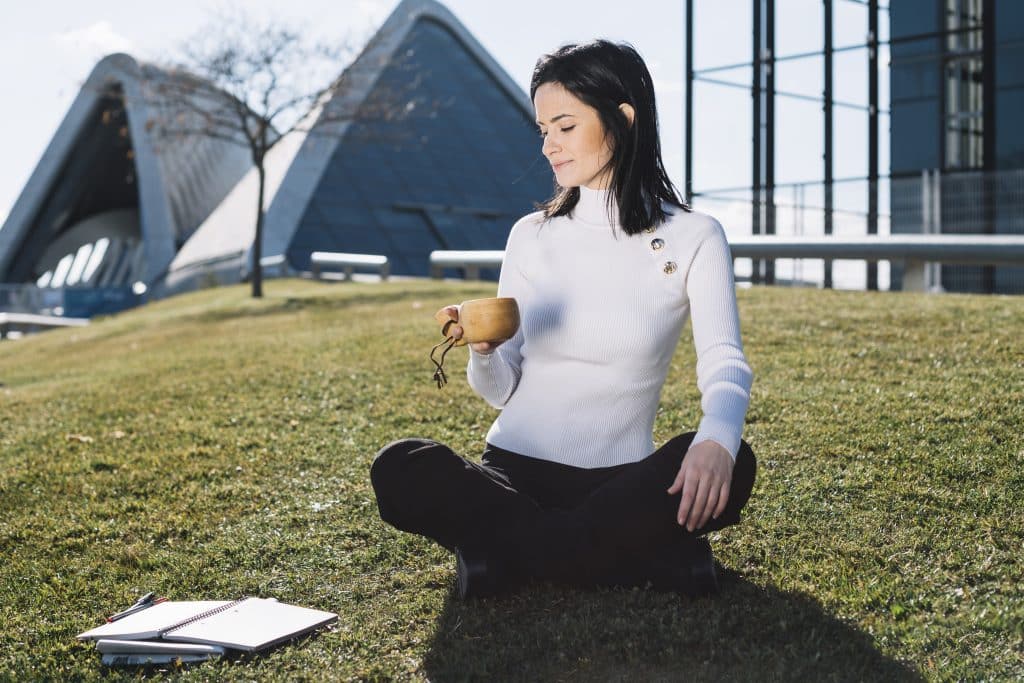
In 2025, the wellness world is shifting. People are prioritizing real, sustainable methods over hype. The emphasis is on nature, reduced distractions, smarter tech use, and personalization. These evolving trends support long-term mental clarity in surprisingly practical ways. A major focus is also on scalability—how can everyday people, not just wellness elites, adopt these habits without changing their entire lifestyle?
1. Forest Bathing & Nature Immersion
What It Is:
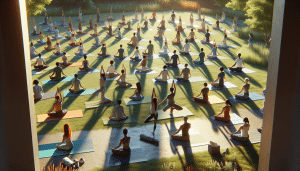
Forest bathing, or Shinrin-yoku, is a Japanese practice that involves immersing yourself in nature—not with the goal of exercise, but for quiet observation and presence. It’s about using all five senses to connect with the natural world.
Benefits for Mental Clarity:
- Reduces stress by lowering cortisol levels and sympathetic nervous activity (Chen et al. 2025).
- Supports attention restoration and combats mental fatigue.
- Enhances sleep quality, which directly improves focus and brain function.
Emerging Versions:
- “Blue spaces” like oceans and rivers are being included for similar effects.
- Indoor spaces mimicking nature with local materials, scents, and lighting are showing mental health benefits for those lacking access to nature (BrainFacts 2024; Keller et al. 2023).
Even short visits to nearby parks or green rooftops have been shown to improve clarity and emotional regulation. What matters is sensory engagement, not scale.
2. Silent Walking
What It Is:
Silent walking is the intentional act of walking without any digital inputs—no music, podcasts, or phones. It promotes total presence and sensory awareness.
Why It’s Trending:
- It breaks overstimulation cycles common in screen-heavy routines.
- Enhances focus by bringing attention back to the body and surroundings.
- Many find it boosts creative thinking and mental clarity post-walk.
Silent walking is gaining traction especially among Gen Z, who are recognizing the cognitive drain caused by digital multitasking. TikTok trends in 2024 and 2025 helped normalize silent walking as a legitimate wellness habit, not just an “offline challenge.”
3. AI-Guided Mindfulness Tools
What It Is:
Wearables and apps that monitor stress, guide breathing, suggest meditation techniques, and personalize mental wellness routines based on user data.
How It Helps Mental Clarity:
- Encourages consistency through reminders and adaptive feedback.
- Reduces decision fatigue by automating wellness planning.
- Allows for custom support based on biological and environmental conditions.
These tools are particularly valuable for busy professionals or students who may struggle with attention management. They transform mindfulness from a vague concept into a guided, trackable system.
Platforms are integrating with smart home ecosystems too—turning off notifications, adjusting lighting, or triggering meditation sounds based on your stress levels. This ambient wellness environment enhances mental focus by reducing noise at the source.
4. Herbal Cognitive Enhancers & Brain Nutrition
What It Is:
There’s renewed interest in evidence-supported herbs and nutrients that boost cognitive function naturally.
Top Ingredients in 2025:
- L-theanine: Naturally found in green tea, it sharpens attention without causing jitteriness. A 100 mg dose is shown to improve focus in high-stress tasks (Verywell Health 2025).
- Rhodiola & Bacopa: Adaptogens being re-evaluated for reducing mental fatigue and improving memory.
- Diet & Gut Health: A balanced diet low in sugar and high in micronutrients is essential for cognitive resilience. Excess sugar intake has been correlated with long-term cognitive decline (Psychology Today 2025).
Also gaining traction are personalized nutrition plans based on DNA or gut microbiome analysis, which allow for optimization of energy, mood, and mental clarity.
5. Digital Uncluttering & Micro-Mindfulness
What It Is:
Brief, simple mindfulness moments sprinkled throughout the day—without needing full meditation sessions. Paired with digital decluttering strategies, this builds more consistent focus.
How It Works:
- Micro-breaks (1–5 minutes) improve emotional regulation and attention control.
- Turning off non-essential notifications, scheduling no-screen times, and replacing digital tools with analog methods are all gaining popularity.
- These practices align with the rising demand for manageable, realistic routines that don’t require lifestyle overhauls.
Even 3 daily pauses—one in the morning, one mid-day, and one in the evening—can make a measurable difference in clarity, according to new cognitive wellness models.
A Simple Guide to Adopting Mental Clarity Trends
| Trend | How to Start | Practical Tip |
|---|---|---|
| Forest Bathing | Weekly 30-minute walk in green space | Use all senses: smell, touch, sound |
| Silent Walking | 10-minute walk daily, no phone | Best during mornings or just before sunset |
| AI-Guided Tools | Install one reputable wellness app | Look for science-backed features |
| Herbal Support | Introduce one supplement (e.g. L-theanine) | Consult health provider first |
| Micro-Mindfulness | 3x daily 2-minute breaks | Try post-lunch, mid-afternoon, and before bed |
Why Mental Clarity Matters More Than Ever in 2025
- Cognitive Overload Is Common: People are reporting more brain fog, scattered focus, and emotional exhaustion than in previous years (NielsenIQ 2025).
- Work and Life Are Blending: With remote work still prominent, maintaining sharp focus without burnout is more important than ever.
- Wellness Is Moving From Glam to Real: Younger generations are demanding research-backed, authentic practices—not just aesthetic ones (News-Medical 2025).
- The Science Is Stronger: Many of these practices are now supported by peer-reviewed data and used in clinical trials, adding credibility.
Final Thoughts
Mental clarity trends in 2025 are about reclaiming control over overstimulation. Forest walks, silent steps, or five-minute breathwork sessions may seem small—but collectively, they represent a major shift in how we preserve cognitive health.
The new model of wellness is one that’s grounded, supported by data, and adaptable to real lives—not just influencers’. Whether you’re burned out, distracted, or simply seeking more clarity, these trends offer something genuinely useful for the long haul.
References
- Chen, H., Meng, Z., & Luo, J. (2025). Is forest bathing a panacea for mental health problems? A narrative review. Frontiers in Public Health. Available at: https://www.frontiersin.org (Accessed: 19 September 2025)
- Sudimac, S., Sale, V., & Kühn, S. (2022). How nature nurtures: Amygdala activity decreases as the result of a one‑hour walk in nature. Psychology Today (summarizing work published in Molecular Psychiatry). Available at: https://www.psychologytoday.com (Accessed: 19 September 2025)
- Keller, J., et al. (2023). Forest bathing increases adolescents’ mental well‑being. International Journal of Environmental Research and Public Health. Available at: https://www.mdpi.com (Accessed: 19 September 2025)

 Personal Finance Tips That Encourage Smart Spending