Unlock Secrets to Improving Your Gut Health
Camila Torres November 12, 2025
Explore the real science behind gut health and how it impacts your energy, mood, and immune strength. This guide unpacks how a balanced gut microbiome supports overall wellness, reveals foods and habits that nurture your digestive system, and explores emerging gut-friendly trends that are changing how people approach health.
Why Gut Health Matters More Than You Realize
Gut health is rapidly gaining attention as a major player in total wellness. It affects digestion, nutrient absorption, immune function, and even mental clarity. Your digestive tract is home to trillions of microorganisms that make up what scientists call the gut microbiome. This ecosystem communicates with many parts of the body, influencing everything from inflammation to how efficiently you extract calories from food. When your gut is balanced, the rewards are real—people report more stable moods, clearer skin, and reduced risk of chronic disease.
Studies have linked a healthy gut to a resilient immune system. Roughly 70% of human immune cells reside in the digestive tract, making the gut a frontline defender against illness (Source: https://www.niaid.nih.gov/research/human-gut-microbiome). Microbial diversity helps your body distinguish between actual threats and benign substances, decreasing the odds of autoimmune flare-ups. Healthy gut function can mean fewer colds, easier recovery, and even improved response to vaccines. The importance of gut health reaches far beyond regular digestion.
There’s also an unexpected connection between gut health and mental wellness. The gut-brain axis ensures that changes in gut bacteria have a direct line to the central nervous system, influencing neurotransmitters like serotonin. Poor gut health has been linked to mood swings, anxiety, and even depression. By supporting gut balance, some individuals see measurable improvements in stress resilience and emotional health, underscoring the gut’s powerful reach.
The Gut Microbiome and How It Works
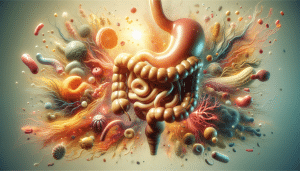
Your gut microbiome is like its own rainforest—dense, complex, and essential. This collection includes bacteria, fungi, viruses, and other microbes that quietly regulate crucial bodily functions. Each person’s mix is unique. Some of these microbes help break down dietary fiber, converting it into short-chain fatty acids that fuel gut cells and reduce inflammation. Others help manufacture vitamins like B12 and K, and even shape the body’s response to sugar and fat.
The microbiome’s balance can be tipped by stress, antibiotics, travel, or diet. When helpful species are outnumbered by those that cause discomfort, the result is called dysbiosis. Dysbiosis has been associated with bloating, constipation, food sensitivities, and skin problems. More severe imbalances could even contribute to conditions like irritable bowel syndrome, obesity, and metabolic syndrome. The good news? People can often nudge their gut environments in a positive direction with the right nutrition and lifestyle choices.
Microbiome research has exploded thanks to new technology, and people are beginning to see tangible changes by paying closer attention to their gut. Emerging evidence also suggests that the microbiome helps determine the effectiveness of certain medications (Source: https://www.ncbi.nlm.nih.gov/pmc/articles/PMC5641835/). Understanding your own unique gut composition may soon influence personalized nutrition and medicine in ways that are only starting to be understood.
Foods That Support a Happy Gut
The food you eat is the most direct way to shape your gut health. Fermented options—like yogurt with live cultures, kefir, kimchi, and sauerkraut—deliver thriving colonies of beneficial probiotics with every bite. These foods restock friendly bacteria and may assist with smoother digestion. Fruits and vegetables, especially those rich in fiber such as artichokes, bananas, and oats, act as prebiotics. Prebiotics nourish good microbes, enabling them to flourish and crowd out less helpful species.
Diversity matters for your gut. By eating a wide variety of plant foods, you expose your microbiome to different fibers and polyphenols, chemicals that support a diverse and resilient ecosystem. Some studies have found that those who eat more than 30 different plant-based foods each week have a more varied and robust gut microbiome (Source: https://www.bmj.com/content/363/bmj.k4026). Adding nuts, seeds, leafy greens, berries, and legumes can help maintain gut health stability over time.
It’s equally important to identify foods that may weaken your gut, such as excess refined sugar, ultra-processed foods, or additives. These can feed less beneficial bacteria, leading to discomfort and imbalance. Focusing instead on whole, minimally processed foods helps restore a more favorable microbial landscape, benefiting long-term health for countless individuals.
Lifestyle Choices That Impact Digestive Wellness
Diet is just the beginning. Physical movement has a marked effect on digestive health, as regular exercise boosts the diversity of gut microbiota and supports smoother bowel function (Source: https://www.gutmicrobiotaforhealth.com/exercise-gut-microbiota/). Even moderate activities—walking, cycling, gentle yoga—can deliver noticeable benefits compared to sedentary habits. Hydration is another key; water keeps things moving and helps fiber work its magic in your gut.
Stress is a silent disruptor in digestive wellness. The body’s fight-or-flight response can slow digestion and alter the composition of the gut microbiome. Deep breathing, adequate sleep, mindfulness, and other relaxation techniques have been shown to protect the gut-brain axis, reduce gut inflammation, and mitigate symptoms related to digestive discomfort (Source: https://www.apa.org/monitor/2012/09/gut-feeling).
Avoiding unnecessary antibiotics is also vital. Antibiotics don’t just attack harmful bacteria—they can disrupt beneficial populations, causing imbalances that take weeks or even months to recover from. If antibiotics are needed for valid reasons, consider discussing timing and gut-supporting strategies with a healthcare provider to minimize unwanted setbacks in microbiome health.
The Future of Gut Health and Emerging Interventions
With gut health on the rise, research is expanding into tailored solutions. Personalized probiotics, synbiotics (a blend of prebiotics and probiotics), and even microbial “transplants” are under investigation. Scientists are mapping microbiome patterns in healthy populations to inform possible therapeutic options for digestive disorders, autoimmune conditions, and even mental health support (Source: https://www.nih.gov/news-events/nih-research-matters/microbiome-therapies-gut-health).
Mobile apps and at-home testing kits now offer insights into individual microbiome profiles, though the technology is still evolving. These tools provide users with feedback about their own digestive environments and dietary compatibility. For those seeking to optimize gut wellness, expert guidance rooted in science is essential before making major changes or investing in new products.
Looking ahead, gut health will likely become a key player in preventive medicine. As researchers learn more, interventions could be developed that enhance resilience to chronic illness and support healthier aging. The possibilities are intriguing, and the science continues to advance rapidly—making this an exciting area to watch for anyone interested in holistic wellness.
References
1. National Institute of Allergy and Infectious Diseases. (2022). The Human Gut Microbiome. Retrieved from https://www.niaid.nih.gov/research/human-gut-microbiome
2. NIH National Library of Medicine. (2017). Impact of the Gut Microbiota on Intestinal Immunity Mediated by T Cells. Retrieved from https://www.ncbi.nlm.nih.gov/pmc/articles/PMC5641835/
3. British Medical Journal. (2018). Gut microbiota diversity and dietary fibre intake. Retrieved from https://www.bmj.com/content/363/bmj.k4026
4. Gut Microbiota for Health. (2020). Exercise and the Gut Microbiota. Retrieved from https://www.gutmicrobiotaforhealth.com/exercise-gut-microbiota/
5. American Psychological Association. (2012). That gut feeling. Retrieved from https://www.apa.org/monitor/2012/09/gut-feeling
6. National Institutes of Health. (2023). Microbiome therapies for gut health. Retrieved from https://www.nih.gov/news-events/nih-research-matters/microbiome-therapies-gut-health

 Hidden Triggers Behind Chronic Fatigue You Overlook