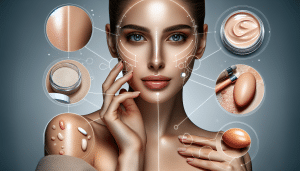
The Surprising Science of Healthy Glowing Skin
Camila Torres September 28, 2025
Unlock the secrets of truly radiant, healthy skin with these science-backed strategies. This guide explores proven tips, innovative routines, and natural ingredients that help support glowing skin for all types—without empty promises or hype.
The Foundations of Glowing Skin Explained
Having healthy, glowing skin is about more than what appears on the surface; it really begins with understanding the skin’s structure and needs. The skin is the largest organ, playing a central role in protection, hydration, and temperature regulation. When skin health is supported from within and outside, the result is a natural radiance that goes beyond temporary fixes. Nourishing skin isn’t about quick tricks—it’s about consistent habits and informed choices, guided by research and dermatologist advice. People often wonder if natural glow or even tone results from genetics, but research shows daily skincare routines and lifestyle have a significant impact on outcomes regardless of heritage (Source: https://www.aad.org/public/everyday-care/skin-care-basics/care/skin-care-basics).
Many factors influence skin appearance, including sun exposure, diet, sleep, and stress. The American Academy of Dermatology notes that consistent sun protection, gentle cleansing, and selecting appropriate moisturizers help maintain healthy barriers and prevent early damage. Regular cleansing removes environmental pollutants, excess oil, and microscopic dirt that could clog pores. A careful approach to exfoliation—using gentle scrubs or chemical exfoliants sparingly—can help reveal brighter, smoother skin while avoiding irritation or disruption of the skin’s microbiome.
Evidence increasingly supports that drinking water and a nutrient-rich diet filled with vitamins C, E, and healthy fats underpin the skin’s natural glow. The connection between gastrointestinal health and skin clarity is also gaining validation. Eating more antioxidant-rich foods and embracing beneficial habits—like regular removal of makeup before sleep—reduces the burden on skin and helps it recover overnight. Day and night routines both matter, highlighting the relationship between lifestyle and visible radiance (Source: https://www.hsph.harvard.edu/nutritionsource/vitamins/vitamin-e).
Everyday Routines to Support a Natural Glow
Developing a practical skincare routine starts with knowing your unique skin type. Whether your skin is oily, dry, combination, or sensitive, choosing the right cleanser and moisturizer makes a tangible difference. Dermatologists often recommend mild, non-soap cleansers and fragrance-free products to avoid irritation. Gently patting the skin dry, instead of vigorous rubbing, preserves essential moisture. For glowing skin, a daily lightweight sunscreen broad-spectrum SPF 30 or higher remains non-negotiable, as UV rays can affect both tone and texture even on cloudy days (Source: https://www.cdc.gov/cancer/skin/basic_info/sun-safety.htm).
Consistency is far more important than complexity in routines. Research shows that twice-daily gentle washing and evening application of moisturizers with ceramides or hyaluronic acid can improve hydration and barrier function. People often assume expensive serums are necessary, but even accessible pharmacy brands with proven ingredients can deliver noticeable improvements. Clean routines also help address common concerns such as excess shine or flaky patches, preventing the cycles of dryness and oiliness that undermine skin balance.
Exfoliation and retinol-based creams can offer extra benefits, but moderation is key. Introducing such products gradually helps reduce the risk of redness or peeling, particularly for individuals with sensitive skin. Weekly or biweekly use is usually sufficient to promote cell renewal. The glow that comes with a systematic, gentle approach can last longer and feels more achievable than using harsh treatments or frequent product changes, which may destabilize the skin in the long term.
Nutrition and Hydration’s Role in Skin Wellness
What is consumed daily directly affects the way skin functions and appears. Diets abundant in fruits, vegetables, and lean proteins provide antioxidants and vitamins the skin craves. Vitamin C is a powerhouse for collagen production, enhancing elasticity and brightness, while vitamin E helps defend against oxidative stress. Omega-3 fatty acids, found in walnuts and fatty fish, support skin hydration and may help calm redness or sensitivity. Studies also highlight that reducing sugar and processed foods can decrease inflammation and minimize breakouts, bolstering smoothness and clarity (Source: https://www.ncbi.nlm.nih.gov/pmc/articles/PMC4135189/).
Hydration is another pillar of glowing skin. Drinking plenty of water and eating water-dense foods like cucumbers, melons, and leafy greens supports cell function and elasticity. Dehydrated skin can look sallow and feel fragile, while adequate intake helps plump the skin and refine texture. The link between gut health and smooth skin is becoming more recognized, with diverse, fiber-rich diets supporting beneficial bacteria that may indirectly influence skin radiance.
Some supplements, such as those containing collagen peptides or biotin, claim to benefit skin, but the research remains mixed. Most experts suggest focusing on balanced meals over pills. Personalized advice from a registered dietitian or dermatologist may help uncover any specific nutrient gaps. Maintaining a nutritious approach keeps the focus on building healthy foundations rather than chasing fads, making it easier to see steady improvement across all skin types.
Natural Ingredients in Beauty and Their Evidence
The wellness and beauty industries increasingly highlight natural ingredients—like green tea, aloe vera, niacinamide, and chamomile—for promoting radiant skin. It’s important to look at scientific findings rather than marketing claims. Green tea extract, rich in polyphenols, has antioxidant and anti-inflammatory properties that may soothe irritated skin and reduce redness. Similarly, aloe vera is often used to calm and hydrate, especially after sun exposure or for sensitive skin types (Source: https://www.ncbi.nlm.nih.gov/pmc/articles/PMC2763764/).
Niacinamide (vitamin B3) is backed by research for strengthening skin’s barrier and evening tone. Products containing niacinamide may help lessen the appearance of pores, even out pigmentation, and boost the skin’s natural defense system. Meanwhile, chamomile and certain plant oils have shown promise for their calming and moisturizing effects without clogging pores. These ingredients can complement traditional regimens, offering gentle support for skin health while minimizing the risk of irritation.
Before adopting any new skincare ingredient, patch testing on a small area is sensible, especially for those with sensitive skin or allergies. Choosing products published by reputable brands, ideally with clinical evidence, is safer than homemade concoctions. Today’s consumer has increasing access to ingredient transparency, which helps match skin needs to established, supportive ingredients effortlessly.
Managing Skin Challenges for Lasting Results
Common concerns like acne, hyperpigmentation, and texture changes can impact self-confidence but are often manageable through well-structured approaches. Acne-prone skin benefits from non-comedogenic cleansers and regular sunscreen, as certain medications can make skin photosensitive. Hyperpigmentation—uneven, dark patches—may improve gradually with sunscreen, topical antioxidants, or prescription ingredients as needed (Source: https://www.aad.org/public/diseases/skin-aging/prevent-premature-skin-aging).
Individuals experiencing dry, flaky skin or eczema find relief through rich, barrier-repairing creams containing ceramides, glycerin, or colloidal oats. These prevent excessive water loss and soothe inflamed tissue. Avoiding hot water and fragranced products is also recommended. Addressing the root causes—like allergies, stress, or environmental triggers—can transform chronic skin problems into more manageable episodes, supported by consistent daily habits.
Professional assessment is sometimes needed. Dermatologists provide personalized insights and may suggest evidence-based therapies for persistent skin issues. Treatments such as chemical peels, microdermabrasion, or topical retinoids are chosen based on individual skin histories. Understanding that good skin takes time and maintenance encourages a balanced mindset and sustainable progress—no shortcuts necessary.
Lifestyle Factors: Sleep, Stress, and Exercise
Skin is a mirror reflecting overall wellness, and lifestyle factors influence its radiance as much as any serum. Quality sleep gives the skin a chance to repair and regenerate. Research shows that even one night of sleep deprivation can increase the appearance of fine lines and reduce vibrancy. Chronic stress, if unmanaged, triggers hormones that intensify oiliness or exacerbate inflammatory skin conditions such as acne or eczema (Source: https://www.sleepfoundation.org/how-sleep-works/why-do-we-need-sleep).
Building daily stress-relief rituals—like mindful breathing, walking, or journaling—positively affects hormone balance and skin’s resilience to irritation. Exercise further increases circulation, delivering oxygen and nutrients to skin cells, which supports healing and renewal. Sweating can help expel impurities from pores, but cleansing the skin promptly afterward is always wise.
Each healthy behavior chosen has a cumulative effect. Setting realistic goals such as prioritizing sleep, managing stress proactively, and incorporating regular movement helps maintain or reclaim youthful skin even in demanding environments. These changes, while simple, are consistently linked with healthier, more radiant skin over time.
References
1. American Academy of Dermatology. (n.d.). Skin care basics. Retrieved from https://www.aad.org/public/everyday-care/skin-care-basics/care/skin-care-basics
2. Harvard T.H. Chan School of Public Health. (n.d.). Vitamin E. Retrieved from https://www.hsph.harvard.edu/nutritionsource/vitamins/vitamin-e
3. Centers for Disease Control and Prevention. (n.d.). Sun safety. Retrieved from https://www.cdc.gov/cancer/skin/basic_info/sun-safety.htm
4. Farris, P.K. (2014). Nutritional interventions for skin health. Retrieved from https://www.ncbi.nlm.nih.gov/pmc/articles/PMC4135189/
5. Paulsen, E., & Maibach, H.I. (2010). Aloe vera: A review. Retrieved from https://www.ncbi.nlm.nih.gov/pmc/articles/PMC2763764/
6. American Academy of Dermatology. (n.d.). Prevent premature skin aging. Retrieved from https://www.aad.org/public/diseases/skin-aging/prevent-premature-skin-aging

 Boosting Your Gut Health for Better Wellness