Interior Design Ideas That Combine Function and Style
Valentina Marino September 23, 2025
In today’s fast-paced world, home interiors are no longer just about aesthetics; they need to serve a functional purpose while maintaining a stylish, welcoming atmosphere. Whether you’re remodeling an entire home or just refreshing a single room, the balance of form and function has become essential. Homeowners are looking for creative, modern ways to maximize space, incorporate technology, and add personality to their interiors—all while ensuring that these designs improve day-to-day living.
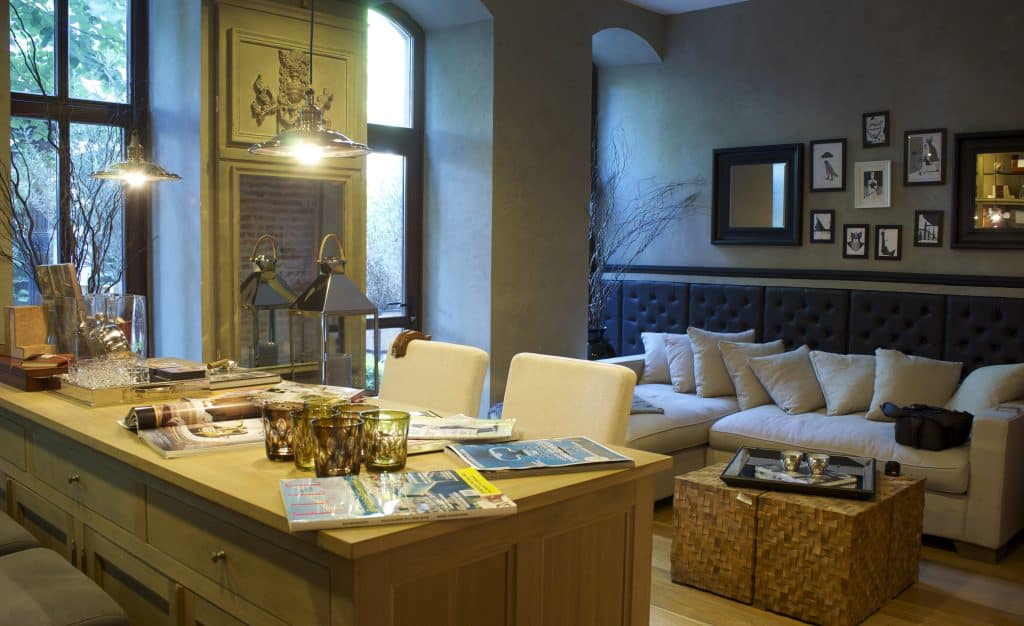
1. Multi-Functional Furniture: Maximizing Every Square Inch
In recent years, multi-functional furniture has become a cornerstone of interior design, particularly in small living spaces. The idea is simple: furniture should work harder to make the most of the available space.
- Sofa Beds: Today’s sofa beds are not just about providing a place for guests to sleep. They come with storage compartments for blankets, pillows, and even clothing, making them ideal for apartments or homes where space is limited.
- Modular Shelving: Modular storage solutions allow you to customize your shelves to fit any space. These units can double up as room dividers or desks, depending on the layout of your room.
- Expandable Dining Tables: Ideal for those who entertain, expandable dining tables offer versatility without compromising style. They can comfortably seat four during daily meals and expand to accommodate larger groups during social gatherings.
By incorporating these items, you not only enhance the functionality of your home but also keep it visually appealing and organized.
2. Smart Home Integration: Style Meets Technology
The rise of smart home technology has paved the way for integrating style and function in ways never imagined before.
- Smart Lighting: Automated lighting systems allow homeowners to adjust the brightness and mood of a room with the touch of a button. They offer sleek, modern fixtures that can blend seamlessly with any décor while providing convenience and energy savings.
- Voice-Controlled Devices: From controlling the temperature to adjusting curtains, voice-activated devices add a level of sophistication to the home without sacrificing style. Integrated systems like Amazon Alexa or Google Home can help you streamline everything from entertainment systems to lighting, creating a smart, functional space.
- Smart Furniture: Chairs, sofas, and even desks are now available with built-in charging stations, USB ports, and even speakers. These add comfort while keeping the space tidy and free from cables.
By integrating smart technologies, you not only make your home more functional but also more enjoyable to live in.
3. Sustainable Materials: Eco-Friendly and Elegant
With the rise of eco-conscious living, interior designers are increasingly turning to sustainable materials that are both functional and stylish.
- Bamboo Flooring: Bamboo is an incredibly sustainable option for flooring that is just as durable as hardwood. It adds a unique, natural aesthetic to your home while being environmentally friendly.
- Recycled Fabrics: Upholstered furniture made from recycled materials such as PET fabric (recycled plastic bottles) offers both sustainability and comfort. These fabrics come in a wide range of colors and textures, ensuring that style isn’t compromised.
- Reclaimed Wood: Reclaimed wood is becoming a popular choice for tables, shelving units, and accent walls. Not only is it a sustainable choice, but it also brings warmth and character to any space.
Sustainable design choices prove that you don’t have to sacrifice style for functionality. Eco-friendly materials often come with the added benefit of timeless elegance, ensuring they stay stylish for years to come.
4. Incorporating Nature: Bringing the Outdoors In
The trend of integrating nature into interior design is growing stronger. Bringing the outdoors inside not only promotes mental well-being but also creates visually pleasing environments that feel refreshing and functional.
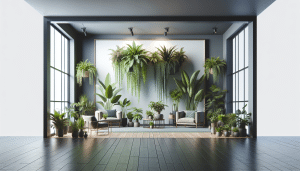
- Indoor Plants: A well-placed indoor plant can enhance the ambiance of any room while purifying the air. Vertical garden walls, hanging planters, and terrariums are becoming common elements in home décor, providing functionality while adding lush greenery.
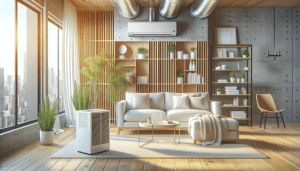
- Natural Light: Maximizing natural light is a key component of modern interior design. Large windows, skylights, and glass doors not only improve the function of a room by reducing the need for artificial light but also create a connection with nature, making the space feel airy and spacious.
- Wood and Stone Accents: Wooden beams, stone countertops, and organic textures help create a natural, grounded atmosphere in your home. These elements blend seamlessly with any style and offer both practicality and aesthetic value.
By prioritizing nature in interior design, you not only enhance the functionality of your space but also create a calm and peaceful environment that connects you with the outdoors.
5. Bold Color Schemes: Adding Personality and Function
Color is one of the most powerful tools in interior design, and when done correctly, it can drastically improve both the function and style of a space.
- Accent Walls: One of the easiest ways to add color without overwhelming a room is by creating an accent wall. Whether it’s a bold, deep blue in the living room or a warm terracotta in the kitchen, accent walls are a functional way to add character without dominating the space.
- Color for Mood: Different colors evoke different feelings, making them essential for defining the function of each room. Cool blues and greens in bedrooms promote calm and relaxation, while warm oranges and reds in dining areas encourage energy and appetite.
- Neutral Base with Pops of Color: A neutral base (white, gray, beige) can provide a balanced and timeless foundation, while pops of color through cushions, rugs, or wall art can infuse personality into the space without compromising its function.
Color is an affordable and simple way to elevate your space and make it feel uniquely yours.
Conclusion: The Future of Home Design
Interior design that combines function and style is not just a trend; it’s a reflection of a growing desire to make our homes more livable, sustainable, and connected to our everyday needs. From multi-functional furniture and smart home integration to eco-friendly materials and natural elements, today’s interior designs focus on enhancing the experience of living without compromising on beauty.
Embrace these trends in your own home, and discover how your living spaces can transform into havens of both comfort and style, perfectly suited to the demands of modern life.
References
- Collins, C. (2023). Smart home integration in modern interior design: A blend of technology and style. Available at: https://www.smartlivingjournal.com (Accessed: 23 September 2025)
- Miller, R. (2022). Sustainable materials for modern homes: Eco-friendly design choices that work. Available at: https://www.greeninteriordesign.com (Accessed: 23 September 2025)
- Walker, A. (2021). The rise of multi-functional furniture in small living spaces. Available at: https://www.homedesigntrends.com (Accessed: 23 September 2025)

 Nutrition Tips That Support Healthy Aging