Hidden Benefits of Indoor Plants for Your Space
Valentina Marino September 27, 2025
Explore how adding indoor plants not only boosts decor but also promotes cleaner air and a healthier home environment. This guide explains surprising advantages of cultivating greenery indoors for comfort, wellness, and overall home value.
Why Indoor Plants Transform Spaces
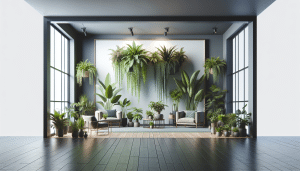
Indoor plants are more than decorative flourishes; they are living enhancements to any interior. Across apartments, houses, and workspaces, greenery introduces touches of vibrancy that alter mood and perception. Many find that a simple potted fern or monstera changes how a room feels—more open, welcoming, and connected to nature. Scientists have investigated these effects, revealing that plants can foster emotional calm and reduce feelings of stress. Even compact spaces benefit from thoughtfully placed houseplants, which can shift the energy and atmosphere, making it feel alive and comforting at a glance.
This visual impact is amplified by the rich diversity available today. From classic spider plants that arch gracefully over a windowsill to dramatic fiddle-leaf figs dominating a corner, choices abound for every aesthetic. Lush foliage pairs well with minimalist styles, while flowering indoor varieties offer color and scent. People often find themselves inspired to change furniture layouts or wall colors once they introduce plants, highlighting just how transformative a bit of greenery can be. Even a small succulent garden on a desk delivers inspiration throughout the day.
Beyond visual appeal, indoor plants create a sense of care and nurturing. Watering schedules, trimming leaves, and watching for new growth bring a satisfying sense of routine. Houseplants can turn everyday maintenance into mindful moments, creating small rituals that ease tension. This relationship connects inhabitants to their spaces in unique ways. For many, tending to greenery is both an act of self-care and a low-stress way to relax, blending lifestyle with nature inside the home.
The Science Behind Cleaner Air Indoors
Air quality indoors often goes overlooked, despite its critical role in health and wellness. Studies by NASA and other organizations have shown that some household plants improve air quality by removing pollutants like benzene, formaldehyde, and trichloroethylene from the environment (https://www.nasa.gov/topics/earth/features/foia_airplantstudy.html). While not a replacement for ventilation, including the right species can support a fresher home. Peace lilies, pothos, and English ivy are among those recognized for their purification capabilities, making them popular for bedrooms and living areas.
Different plants absorb air contaminants through their leaves and roots. As part of their respiration, they break down or sequester certain volatile organic compounds (VOCs), which are released by furniture, cleaning products, and paints. This helpful filtering can reduce headaches, respiratory discomfort, and eye irritation over time. For allergy-prone households, selecting hypoallergenic options helps further—these plants release less pollen and don’t aggravate asthma, making comfort more attainable indoors.
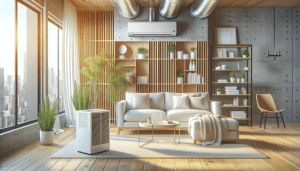
While a single plant might not make the air pristine, clustering several together and maintaining them well can improve a room’s overall environment. Choosing a variety tailored to lighting and space also increases their efficiency. The result? Cleaner, more breathable air and a sense of refreshment simply from being surrounded by healthy foliage—without any ongoing filters or machines. Research continues to uncover which plants offer the most benefits, suggesting that as interest grows, so will the list of powerful green allies for the home.
Boosting Mental Health With Daily Greenery
The mental health advantages of nurturing indoor plants are supported by a rapidly growing body of evidence. Regular interaction with greenery has been associated with reduced anxiety, lower perceived stress, and enhanced feelings of well-being (https://www.ncbi.nlm.nih.gov/pmc/articles/PMC5664031/). Unlike many self-improvement practices, plant care is tactile, visual, and rewarding at every stage. Observing new leaves, vibrant growth, or blossoming flowers brings a sense of achievement and hope—tangible signs of progress even on tough days.
Plants contribute to mood in subtler ways as well. Their presence has been shown to boost productivity and concentration in work-from-home setups and offices. Even five minutes spent tending to a philodendron or misting orchids can serve as a mindful break, lowering heart rate and fostering calm. For those living alone, plant companionship helps alleviate isolation. This connection provides gentle accountability—a reason to rise, water, and care, which researchers say bridges to improved emotional resilience.
Many therapists now recommend integrating plant care into daily routines as a form of light-duty therapy. Children, elders, and individuals experiencing depression or anxiety all report positive results. Community programs and healthcare centers have begun offering plant workshops for wellness, and some studies show hospital patients recover faster when indoor greenery is present. There’s growing consensus that these simple habits add up to meaningful shifts in mental health, making houseplants small but mighty contributors to emotional wellness.
Choosing the Best Indoor Plants for Different Light Conditions
Every home or office presents unique lighting challenges. Sunlight exposure determines which plants will flourish and which may falter if neglected or mismatched. For rooms with abundant natural light, options like aloe vera, jade, and succulents are easy-care picks; they store water in leaves and thrive on windowsills. East or south-facing rooms typically offer the most consistent light, supporting rapid plant growth with little fuss required. The right placement ensures lush foliage and vibrant health in the long run.
If space lacks sunlight, several species adapt well to dim corners. The snake plant, ZZ plant, and pothos tolerate low-light conditions and are ideal for offices or shaded bedrooms. They demand minimal maintenance and handle infrequent watering well, making them perfect for busy or beginner plant owners. An important tip: rotate plants regularly to encourage even growth. Supplemental grow lights can also expand plant options, ensuring greenery remains vibrant year-round without needing a south-facing window.
Balancing humidity and temperature also plays a role in indoor plant success. Orchids, ferns, and calatheas prefer greater humidity and enjoy bathrooms or kitchens where frequent showers or dishwashing increase moisture. In contrast, cacti and sansevieria prefer drier, warmer locations. By understanding microclimates within the home, anyone can select plant varieties well-suited to their living environment, reducing the risk of disappointment and nurturing thriving collections that uplift any room daily.
Indoor Plants and Home Value Insights
Decorating with living plants can quietly influence the perceived value of a property. Real estate professionals often use well-placed indoor plants during home staging, noting that fresh greenery makes spaces seem cared for and more attractive to prospective buyers (https://www.nar.realtor/magazine/real-estate-news/home-and-design/how-plants-benefit-homes). Plants accentuate natural light, smooth out harsh lines, and introduce visual softness, creating an inviting, move-in-ready atmosphere. This subtle style statement increases property appeal without major renovations.
Homes with healthy, mature plants often photograph better in listings, which can boost online interest. Interior designers also note that rooms with lush, healthy plant arrangements can appear larger and more unified. Paired with fresh paint or updated fixtures, the effect grows stronger. Renters, too, benefit from adding greenery, instantly upgrading dull or generic spaces and creating a sense of home without permanent alterations or high expense.
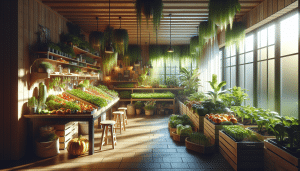
Buyers who notice thriving indoor plants may also perceive the property as maintained, hinting at responsible ownership. Even small displays—like a kitchen herb garden or curated bookshelf greenery—can offer emotional warmth that sways decision-making. The synergy of care, comfort, and visual appeal positions plants as cost-effective tools for boosting perceived value within the home and fostering positive impressions long before a sale closes.
Creative Ways to Incorporate Plants Indoors
Making room for plants doesn’t require a complete redesign. Creative solutions allow even those with limited space to enjoy the benefits. Hanging planters free up valuable floor or table real estate, transforming corners, stairwells, and even bathrooms. Innovative options like wall-mounted pockets or modular plant shelves create living art, encouraging layering and dynamic displays. These features add texture and personality to everyday spaces with minimal effort.
Small-space dwellers have additional strategies available. Macramé plant hangers exploit vertical height, while window ledges, bookcases, and nook shelving provide surprising amounts of planting potential. Combining plants of different heights and spreads creates a lush, lush jungle effect that feels intentional and inviting. Terrariums, air plants, and bonsai introduce botanical interest in compact footprints, suitable for desk corners or coffee tables alike.
For households with children or pets, prioritizing non-toxic species is essential. Spider plants, parlor palms, and certain ferns are both safe and robust. Routine care—dusting leaves, checking soil—becomes another opportunity for mindful engagement. As these habits develop, they transform how a space feels, shifting the household atmosphere towards calm, creativity, and ongoing growth. Indoor gardening is an art, and every home can become its unique canvas.
References
1. NASA. (n.d.). Plant Air Purification Study. Retrieved from https://www.nasa.gov/topics/earth/features/foia_airplantstudy.html
2. U.S. Environmental Protection Agency. (n.d.). Volatile Organic Compounds’ Impact on Indoor Air Quality. Retrieved from https://www.epa.gov/indoor-air-quality-iaq/volatile-organic-compounds-impact-indoor-air-quality
3. National Institutes of Health. (2017). Interaction with indoor plants may reduce psychological and physiological stress. Retrieved from https://www.ncbi.nlm.nih.gov/pmc/articles/PMC5664031/
4. American Horticultural Society. (n.d.). Care of Indoor Plants. Retrieved from https://ahsgardening.org/gardening-resources/about-gardening/care-of-indoor-plants/
5. National Association of Realtors. (2022). How Plants Benefit Homes and Real Estate Value. Retrieved from https://www.nar.realtor/magazine/real-estate-news/home-and-design/how-plants-benefit-homes
6. Royal Horticultural Society. (n.d.). Safe Houseplants for Pets and Children. Retrieved from https://www.rhs.org.uk/plants/types/houseplants/pets

 Secrets Behind Cozy Minimalist Living Rooms