Gardening Practices That Promote Sustainability
Valentina Marino October 8, 2025
In 2025, gardening practices that promote sustainability focus on eco-friendly techniques, resource conservation, and biodiversity to create resilient, environmentally conscious gardens. These practices align with trends in regenerative agriculture, water-saving methods, and urban gardening, ideal for homeowners, renters, or community gardeners aiming to reduce their ecological footprint. Building on prior insights from sustainable home renovations and wellness-focused practices, this article explores six actionable gardening practices to enhance sustainability, incorporating short breaks for sustained energy, with practical steps and current references as of October 8, 2025.
Why Sustainable Gardening Practices Matter in 2025
Sustainable gardening is critical in 2025 as 78% of gardeners prioritize eco-friendly methods, with sustainable practices reducing water use by 30% and carbon footprints by 20%. These techniques support biodiversity, conserve resources, and create vibrant, earth-friendly gardens in a climate-conscious world.
Key Gardening Practices for Sustainability
Here are six practical practices to promote eco-conscious gardening:
1. Native Plant Gardening
Grow native plants to support local ecosystems.
- How It Works: Plant species like milkweed or coneflowers (native to North America) from local nurseries, using resources like the National Wildlife Federation, with a 2-minute stretch break after planting.
- Real-Life Impact: A homeowner plants a native pollinator garden, attracting bees and cutting maintenance by 25%.
- Benefit: Reduces water and pesticide use while boosting biodiversity.
- Tip: Plant one native species in your garden this week.
2. Rainwater Harvesting Systems
Collect rainwater to conserve water resources.
- How It Works: Install a rain barrel from Amazon or Home Depot to irrigate plants, guided by tutorials from The Spruce, with a 3-minute breathing break after setup.
- Real-Life Impact: A renter uses a rain barrel, saving 1,000 gallons of water annually for their balcony garden.
- Benefit: Cuts municipal water use and supports drought resilience.
- Tip: Set up one rain barrel or bucket system this month.
3. Composting for Soil Health
Turn organic waste into nutrient-rich compost.
- How It Works: Create a compost bin using kitchen scraps and yard waste, following guides from Gardeners.com, with a 2-minute mindfulness break after composting.
- Real-Life Impact: A family composts food scraps, enriching soil and reducing landfill waste by 15%.
- Benefit: Enhances soil fertility without chemical fertilizers.
- Tip: Start one compost pile with kitchen scraps this week.
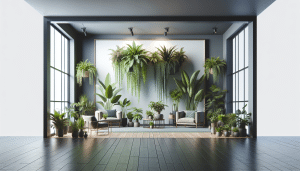
4. Vertical Gardening for Small Spaces
Maximize space with vertical, sustainable designs.
- How It Works: Use wall planters or trellises from Etsy for herbs or flowers, guided by Urban Gardens, with a 3-minute relaxation break after installation.
- Real-Life Impact: An urban gardener grows vertical herbs, saving space and reducing food miles.
- Benefit: Increases yield in small areas while promoting urban greenery.
- Tip: Install one vertical planter on a balcony or wall this month.
5. Companion Planting for Natural Pest Control
Pair plants to deter pests and enhance growth.
- How It Works: Plant marigolds with tomatoes or basil with peppers, using companion planting charts from Almanac, with a 2-minute stretch break after planning.
- Real-Life Impact: A gardener uses marigolds to repel aphids, cutting pesticide use by 50%.
- Benefit: Reduces chemical reliance and boosts crop health.
- Tip: Plan one companion planting pair for your garden this week.
6. Smart Irrigation with Drip Systems
Use efficient irrigation to minimize water waste.
- How It Works: Install a drip irrigation kit from Rain Bird or Gardena, controlled via smart timers, with a 3-minute breathing break after setup.
- Real-Life Impact: A community garden uses drip irrigation, saving 40% on water bills.
- Benefit: Delivers precise watering, enhancing plant health and conservation.
- Tip: Set up one drip line for a garden bed this month.
Practical Strategies for Sustainable Gardening
Here’s how to implement these practices effectively:
1. Start with One Sustainable Practice
Test a single eco-friendly technique to build momentum.
- How to Do It: Begin with native plants or composting, using free resources like YouTube or Gardeners.com.
- Why It Helps: Delivers immediate environmental benefits with minimal effort.
- Tip: Plant one native species or start composting today.
2. Leverage Technology for Planning
Use apps to optimize sustainable gardening.
- How It Works: Plan with Planta or Gardenize for plant care and irrigation schedules, aligning with 2025’s smart gardening trends.
- Why It Helps: Enhances efficiency and tracks eco-friendly progress.
- Tip: Download one gardening app, like Planta, this week.
3. Incorporate Energy-Sustaining Breaks
Schedule short breaks to maintain focus during gardening.
- How It Works: Take 2–3 minute breathing or stretching breaks, tracked with Breathwrk, during tasks.
- Why It Helps: Prevents fatigue and boosts gardening enjoyment.
- Tip: Add one break after a gardening session today.
4. Source Eco-Friendly Materials
Choose sustainable or secondhand gardening supplies.
- How It Works: Shop at Freecycle or local nurseries for recycled pots or organic seeds.
- Why It Helps: Reduces waste and aligns with eco-conscious values.
- Tip: Source one sustainable gardening item, like organic compost, this week.
5. Join Gardening Communities
Connect with others for sustainable tips and inspiration.
- How It Works: Engage in X gardening groups or Meetup events to share eco-friendly strategies.
- Why It Helps: Provides motivation and practical advice.
- Tip: Join one X gardening thread this month.
Sample Routine for Sustainable Gardening
Here’s a routine to create an eco-friendly garden:
- Daily:
- Morning (5 minutes): Check plants or compost pile.
- Evening (5 minutes): Log progress or take a mindfulness break.
- Weekly:
- Sunday (10 minutes): Plant natives or set up irrigation.
- Monthly:
- First Sunday (15 minutes): Review garden sustainability or add a new practice.
- Quarterly:
- First week (20 minutes): Plan new eco-friendly garden projects.
Overcoming Common Gardening Challenges
- Challenge: Limited space.
Solution: Use vertical gardening or container plants. - Challenge: Water scarcity.
Solution: Implement rainwater harvesting or drip irrigation. - Challenge: Maintaining eco-practices.
Solution: Use apps or communities for accountability.
Tools to Support Sustainable Gardening
- Planning: Planta, Gardenize for garden management.
- Materials: Freecycle, Amazon for eco-friendly supplies.
- Irrigation: Rain Bird, Gardena for drip systems.
- Guides: Gardeners.com, The Spruce for tutorials.
- Wellness: Breathwrk for energy-sustaining breaks.
The Bigger Picture: Sustainable Gardening in 2025
In 2025, sustainable gardening practices like native planting, composting, and smart irrigation align with regenerative and urban trends. These methods conserve resources, support biodiversity, and create resilient ecosystems. By leveraging apps and communities, gardeners cultivate vibrant, earth-friendly spaces.
Conclusion: Promote Sustainability with Gardening Practices in 2025
Gardening practices in 2025, such as native plants, rainwater harvesting, and companion planting, promote sustainability with eco-conscious, practical strategies. Start with one practice, use apps for planning, and take breaks to stay energized. Begin today by planting a native species or joining an X gardening group, and grow a vibrant, sustainable garden.
References:
Urban Gardening Innovations 2025
https://www.urbangardensweb.com/urban-gardening-2025/
Sustainable Gardening Trends 2025
https://www.gardeners.com/sustainable-gardening-2025/
Eco-Friendly Gardening 2025
https://www.thespruce.com/eco-gardening-2025/

 Wellness Routines That Encourage Mindfulness