Gardening Techniques That Promote Sustainable Growth
Valentina Marino September 26, 2025
In recent years, the importance of sustainable gardening has surged. With climate change concerns on the rise and a growing desire for healthier food, people are turning to gardening techniques that not only promote lush growth but also ensure environmental responsibility. From soil health to water conservation, gardening practices have evolved to be more eco-conscious. In this article, we’ll explore some of the top trends in gardening that are driving sustainable growth, offering both practical tips and innovative ideas for 2025 and beyond.
1. Embracing No-Till Gardening for Healthier Soil
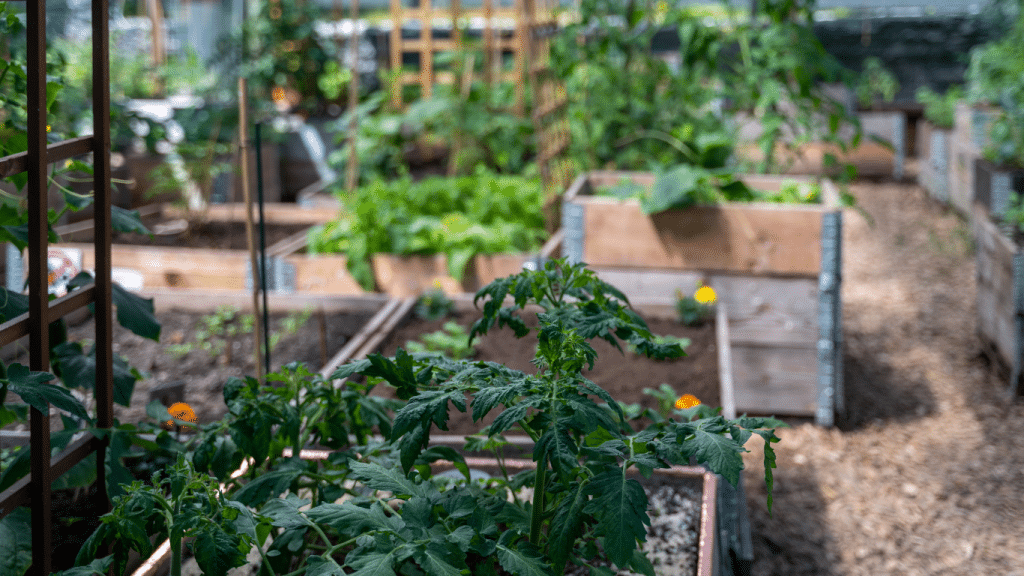
One of the biggest trends in sustainable gardening is the adoption of no-till gardening. This technique minimizes soil disturbance, which helps maintain healthy soil structure, enhances water retention, and supports the life of beneficial soil organisms. No-till gardening is perfect for creating a self-sustaining ecosystem in your backyard.
Key Benefits:
- Improved Soil Structure: By leaving the soil undisturbed, you encourage the development of organic matter, which improves soil structure.
- Reduced Erosion: Tilling the soil can lead to erosion, especially during heavy rains. No-till gardening reduces this risk by maintaining the integrity of the soil.
- Less Water Usage: With healthier soil, less water is needed to keep plants hydrated, making this technique especially useful in dry climates.
Sources such as the USDA Natural Resources Conservation Service have highlighted the numerous advantages of no-till gardening for sustainable agriculture.
2. The Rise of Vertical Gardening
Vertical gardening is another emerging trend that supports space-efficient and resource-efficient growing. By utilizing vertical structures like trellises, shelves, or towers, gardeners can grow more plants in smaller spaces, making this ideal for urban areas or places with limited space.
Key Benefits:
- Maximized Space: Vertical gardens make the most of limited space, allowing for more plants per square foot.
- Reduced Pest Problems: Plants grown vertically are less likely to suffer from ground-dwelling pests like slugs or soil-borne diseases.
- Water Conservation: Vertical gardening systems like hydroponics use less water than traditional methods, as the water is recycled within the system.
Urban gardening experts are finding that vertical gardens, especially those integrated into green walls, are transforming city landscapes into productive, eco-friendly spaces.
3. Integrating Native Plants for Eco-Friendly Landscaping
Using native plants in your garden is one of the most sustainable gardening techniques that also supports local biodiversity. Native plants are adapted to the local climate and soil conditions, meaning they require less water, fewer pesticides, and are more resilient to pests and diseases.
Key Benefits:
- Low Maintenance: Once established, native plants require minimal care, reducing the need for fertilizers and chemical treatments.
- Biodiversity Support: Native plants provide habitat and food for local wildlife, including pollinators like bees and butterflies.
- Drought Resistance: Native plants are well-suited for dry conditions, making them an excellent choice for sustainable landscaping in areas with water scarcity.
According to various research studies, gardeners who choose native plants see a significant reduction in their water bills and maintenance costs.
4. Water-Efficient Irrigation Systems
Watering your garden sustainably is essential for promoting long-term growth. Smart irrigation systems like drip irrigation and soaker hoses are becoming more popular. These systems direct water straight to the roots, minimizing waste and ensuring that plants receive the right amount of hydration.
Key Benefits:
- Targeted Watering: Drip irrigation delivers water directly to the plant roots, reducing evaporation and runoff.
- Water Conservation: These systems are designed to be efficient, reducing water consumption by up to 50% compared to traditional sprinklers.
- Time Saving: Automated systems allow gardeners to water their plants during the night or early morning, preventing water loss during the heat of the day.
In regions where drought conditions are common, these water-efficient techniques are game-changers for sustainable gardening.
5. Composting for Sustainable Fertilization
Composting is an essential practice for maintaining healthy soil while reducing waste. By turning kitchen scraps, yard waste, and organic matter into nutrient-rich compost, gardeners can nourish their plants without relying on synthetic fertilizers, which can harm the environment.
Key Benefits:
- Rich, Organic Matter: Compost provides plants with the nutrients they need to grow strong and healthy, improving soil fertility.
- Reduced Waste: Composting diverts organic waste from landfills, reducing greenhouse gas emissions.
- Improved Soil Health: Adding compost to your soil helps maintain a good balance of microorganisms, which is vital for plant growth.
Research from sustainable gardening advocates indicates that composting can reduce the need for chemical fertilizers and help create a more resilient garden.
6. Sustainable Pest Management
Instead of relying on harmful pesticides, integrated pest management (IPM) focuses on natural methods to control garden pests. IPM uses a combination of biological control, traps, and preventative practices to maintain a healthy garden ecosystem.
Key Benefits:
- Non-toxic: IPM uses organic methods like introducing beneficial insects (ladybugs, for example) to control pest populations.
- Balanced Ecosystem: By avoiding harmful pesticides, IPM encourages biodiversity, which helps maintain a balanced garden ecosystem.
- Long-term Effectiveness: While chemicals can offer quick fixes, IPM promotes sustainable and long-term pest control solutions.
Experts from the USDA and gardening associations stress the importance of sustainable pest management practices in promoting eco-friendly gardening.
Conclusion
Sustainable gardening is no longer just a trend—it’s a necessity for a healthier planet. By embracing these innovative techniques, gardeners can promote long-term growth, conserve resources, and support biodiversity. Whether you’re starting a garden in your backyard or looking to enhance your urban space, these sustainable gardening practices are essential for reducing your ecological footprint while enjoying the beauty of nature. The future of gardening is green, and it starts with you. By adopting these sustainable methods, we not only nurture our gardens but also contribute positively to environmental preservation, fostering sustainability and creating a healthier, greener future for all generations, while protecting the ecosystem and combating climate change.
References
- U.S. Department of Agriculture. (2020). Conservation practices: No-till farming. Available at: https://www.nrcs.usda.gov (Accessed: 26 September 2025)
- National Wildlife Federation. (2021). Native plants for sustainable landscaping. Available at: https://www.nwf.org (Accessed: 26 September 2025)
- University of California Agriculture and Natural Resources. (2020). Smart irrigation systems for water conservation. Available at: https://ucanr.edu (Accessed: 26 September 2025)

 Simple Indoor Plants That Make Your Home Thrive