Simple Indoor Plants That Make Your Home Thrive
Valentina Marino September 26, 2025
Discover how easy-care indoor plants can transform your living space while improving air quality and reducing stress. This guide explores resilient houseplants, natural light tips, and care routines, helping you design a refreshing home sanctuary even if you’re new to indoor gardening.
You Can Boost Home Wellness With Indoor Plants
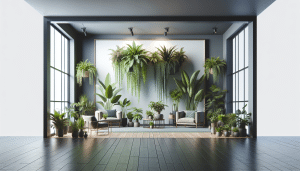
Indoor plants aren’t just decorative. They offer real benefits that can amplify wellness within your living space. Houseplants like pothos, snake plant, and philodendron bring a natural touch indoors while purifying the air. Their ability to filter volatile organic compounds—substances released by furniture, cleaners, and paints—has been observed in multiple studies. For those looking to improve indoor air naturally, cultivating resilient greenery is a step worth considering. As you explore the various options, keep in mind the unique needs of each plant and the microclimates within your own home.
The visual appeal of indoor plants is obvious, but their advantages extend to mood and focus. Indoor gardening has been linked to reduced anxiety, lower stress levels, and greater productivity. The presence of greenery in homes, offices, or classrooms allows a subtle connection to nature, supporting mental clarity and emotional well-being. Whether you live in a shared apartment, a family home, or a studio, integrating potted plants can anchor your space with vibrancy and serenity. Tending to your indoor garden can also create calming routines and mindful breaks during hectic days.
Resilient plants such as peace lily, spider plant, and ZZ plant can survive irregular watering and shifting light. This makes them perfect for first-time gardeners or those with busy schedules. Succulents add a contemporary touch with minimal fuss. By choosing forgiving varieties, you invite greenery into your rooms without the fear of complicated upkeep. With just a few low-maintenance choices, it’s possible to nurture a thriving indoor oasis—all while enjoying cleaner air and a greater sense of tranquility.
Light, Location, and the Secret to Thriving Plants
Understanding your home’s light is crucial for indoor plant success. Some plants bask in abundant sunlight while others flourish in dim corners. Assess the orientation of your windows; south-facing glass typically delivers the strongest light, while north-facing rooms often offer subtle brightness. Matching the plant to your home’s available light is the secret to avoiding disappointment. Place sun-loving varieties like succulents or jade plants by your brightest window. In contrast, snake plants and pothos often tolerate lower light, thriving in spots where natural rays are softer.
Temperature and draft also matter. Consistent warmth fosters growth. Placing plants near radiators or cooling vents, however, can stress their leaves and hinder progress. Humidity requirements shouldn’t be overlooked, either. While ferns and some tropical plants crave extra moisture, cacti and succulents prefer drier air. Bathrooms or kitchens can create microclimates perfect for humidity-loving varieties. It’s important to check conditions before choosing a new plant to ensure the right match.
Experiment with moving plants around your home. Observing their response to location changes provides helpful insights into their needs. Sometimes, a simple relocation can revive a languishing specimen. Monitoring leaf color and posture can reveal much about how your plant is settling in. Bright green growth, upright leaves, and new shoots are all signs you’ve found the right spot. By learning to read these responses, anyone can create just the right environment for each indoor favorite.
Easy Houseplants That Don’t Ask for Much
Certain plants are celebrated for their ability to survive occasional neglect. Snake plants (Sansevieria) require very little water and adapt to a wide range of light levels. Their upright, sword-like leaves make them a striking addition to modern interiors. Spider plants (Chlorophytum comosum), with their arching green and white foliage, rebound quickly from missed waterings and produce small offshoots—making them fun and easy to propagate. Both species make great starter plants for those new to the world of indoor gardening.
Philodendrons, ZZ plants, and pothos are equally low-fuss choices. Philodendrons adapt to bright or moderate light, with velvety foliage adding lush texture. ZZ plants (Zamioculcas zamiifolia) carry a glossy, sculptural form and tolerate long periods without water. Pothos, often dubbed ‘devil’s ivy,’ thrives in hanging baskets or as a trailing desk plant. All these choices deliver style and air-purifying benefits alongside reliable resilience.
Succulents and cacti are another group tailor-made for those who travel or forget to water. With their chubby leaves and quirky shapes, succulents demand minimal intervention. A sunny sill and occasional watering is all they ask. Aloe vera not only decorates surfaces but offers a fresh, natural skin soother. The simplicity of care and architectural visual interest makes these plants enduring favorites for busy homes and workspaces alike.
Daily and Weekly Care Tips Anyone Can Follow
Even the most forgiving plants have a rhythm. Regular watering, suited to each type’s natural preferences, is key. Signs of thirst or overwatering—such as droopy leaves, brown tips, or mushy roots—are worth watching for. Less is usually more with houseplants. Allow soil to dry between waterings, and always use containers with drainage holes to prevent root rot. For larger, thirstier specimens like monstera, a deep drench every week or two may suffice in most indoor environments.
Clean leaves regularly to remove dust and support healthy photosynthesis. A gentle shower or a soft, damp cloth can do wonders. Occasionally, inspect for pests like spider mites or scale insects. If caught early, such insects can be washed away or gently wiped off before they multiply. Pruning dead foliage also enhances both appearance and vigor. Feeding with a balanced houseplant fertilizer during spring and summer can promote strong, green growth.
Try to set simple care cues. For example, watering on the same weekday or checking plants while making morning coffee. Technology plays a role, too—reminders or care apps may assist busy individuals in maintaining plant routines. Keen observation remains the best tool. Plants speak through their leaves and stems; learning these subtle signals makes care second nature. Over time, even beginners grow confident in supporting their thriving indoor oasis.
Choosing Pots and Soil for Vigorous Growth
Container choice affects plant well-being more than some realize. Drainage holes are essential; trapped water is a leading cause of plant decline indoors. Clay pots wick excess moisture, making them a favorite for succulents and cacti. Plastic pots retain water, which may assist tropical foliage plants. A matching saucer collects any runoff, protecting surfaces and guiding careful watering. Select containers that allow a couple inches of room around roots, as this encourages growth and simplifies repotting down the line.
Potting soil matters, too. Standard indoor blends offer a mix of peat, compost, and perlite for drainage and nutrient retention. Specialized mixes exist for succulents, orchids, or moisture-loving ferns. Avoid using outdoor garden soil indoors—it compresses in pots and may harbor pests. Refreshing potting mix annually renews nutrients and supports continued health. If plants outgrow their pots, gently reposition roots in a slightly larger vessel with fresh soil. This prevents stunted development and supports lush foliage.
Decorative pots add personality to spaces. Baskets, ceramic containers, and glass planters are widely available and easily updated seasonally. Just remember that decorative covers should still allow proper drainage. Layering pebbles at the bottom of cachepots can help prevent standing water from affecting root health. By balancing aesthetics and functionality, any room gains a tailored look—and your indoor plants have the conditions they need to thrive.
Common Problems and How People Overcome Them
Even the best intentions can lead to setbacks. Overwatering is the most frequent cause of problems. To avoid this, test the soil’s surface—if it feels moist, often it’s time to wait. Adjust lighting if leaves turn pale, droop, or drop. Mold on soil or containers signals too much moisture; scrapping the top layer and reducing water frequency restores balance. These simple observations often solve most beginner issues with indoor plants.
Winter brings additional challenges. Shorter days mean less natural light, slowing plant growth and requiring less water. Some plants yellow or shed leaves as a normal adjustment to seasons. Drafty windows may stress tropical species, so moving pots away from glass or insulating windowsills with fabric can help. For those who notice a decline, supplemental grow lights offer an affordable solution to ensure continuous energy for your green companions.
If pests take hold, household treatments often resolve the situation. Wiping affected leaves with a mix of water and gentle soap, pruning infested parts, and quarantining new arrivals help prevent outbreaks. For those who prefer natural approaches, encouraging good airflow and avoiding overcrowding can minimize risk. The crucial element is regular attention. Addressing issues promptly keeps plants happy and household greenery looking its best throughout the year.
References
1. NASA. (n.d.). Interior landscape plants for indoor air pollution abatement. Retrieved from https://ntrs.nasa.gov/citations/19930073077
2. American Society for Horticultural Science. (2020). The benefits of indoor plants. Retrieved from https://ashs.org/page/benefits-indoor-plants
3. University of Florida IFAS Extension. (2022). Houseplants: Care and selection. Retrieved from https://edis.ifas.ufl.edu/publication/EP451
4. Royal Horticultural Society. (n.d.). House plant care. Retrieved from https://www.rhs.org.uk/plants/types/houseplants/general-care
5. University of Illinois Extension. (2020). Home care for houseplants. Retrieved from https://extension.illinois.edu/houseplants
6. Penn State Extension. (2019). Houseplant problems: Environmental issues. Retrieved from https://extension.psu.edu/houseplant-problems-environmental-issues

 Remote Learning Trends That Could Change Your Education