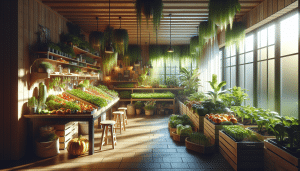
You Can Transform Your Yard With Low Maintenance Landscaping
Valentina Marino September 25, 2025
Explore how enchanting, low maintenance landscaping ideas can help you create a beautiful, relaxing outdoor space. Learn practical steps, cost efficiencies, and the surprising ways a well-designed garden can boost your daily life.
Why Low Maintenance Landscaping Appeals to Homeowners
For many homeowners, yard work can feel overwhelming. Low maintenance landscaping offers a refreshing solution, blending style and simplicity. This approach focuses on using hardy plants, clever garden design, and eco-friendly surfaces—reducing weekly chores while keeping outdoor areas inviting. More people are realizing that a functional, eye-catching yard doesn’t have to require constant attention (Source: https://edis.ifas.ufl.edu/publication/EP420).
One key reason for this trend is the desire to save time. Rather than spending every weekend pulling weeds or mowing grass, homeowners can enjoy their outdoor space for relaxation and gatherings. Low maintenance gardens also tend to use less water and fewer chemicals, thanks to drought-tolerant plants and mulching techniques. This not only preserves resources but also reduces utility bills, making it a smart financial move (Source: https://www.epa.gov/watersense/water-efficient-landscaping).
Visually appealing yards can increase property value, too. A thoughtfully designed landscape offers curb appeal and lasting beauty year-round. Shrubs, perennial ground covers, and creative rock features can offer a delightful scene with minimal care. Research points to the positive impact these gardens have on homeowner satisfaction and even neighborhood aesthetics (Source: https://www.tclf.org/landscapes/low-maintenance-landscapes).
Principles for Creating a Low Maintenance Yard
Low maintenance landscaping starts with careful plant selection. Native plants require less water, resist disease, and thrive effortlessly in local climates. By choosing the right mix of perennials, ornamental grasses, and ground covers, homeowners can reduce the need for frequent replanting or trimming. These plants also attract pollinators, building a healthier ecosystem in the yard (Source: https://hgic.clemson.edu/factsheet/low-maintenance-landscaping).
Hardscaping is another essential strategy. Paths, patios, and retaining walls made from natural stone or recycled materials offer structure and usability without demanding constant upkeep. Mulch or gravel beds can fill areas where grass might struggle—suppressing weeds and conserving water. Smart use of mulch also means less mowing and fewer fertilizer applications, simplifying the routine.
Grouping plants with similar needs makes caring for your yard far easier. This practice, known as hydrozoning, helps ensure efficient watering and healthier growth, all while reducing waste. Layering taller shrubs at the back and smaller varieties up front creates dimension and reduces the temptation to overplant. Placing plants with similar sun and moisture needs together provides a tailored environment that minimizes maintenance headaches.
Simple Landscape Design Ideas That Work
One effective idea is growing ground covers such as creeping thyme, sedum, or mondo grass, which naturally suppress weeds while keeping soil moist. These plants spread across bare spots and require far less mowing than traditional lawns. Incorporating native wildflowers or ornamental grasses adds bursts of color and graceful movement to garden beds, all without fussy trimming.
Strategic placement of evergreens and slow-growing shrubs brings year-round greenery. Tall, robust species like junipers or boxwoods provide structure and privacy screens with little intervention. Opt for low-maintenance flowering bushes such as spirea or hydrangea for lively color. These species thrive on minimal pruning and reward garden lovers with blooms season after season.
Decorative mulch, river rocks, or pea gravel create visually striking accents while discouraging weed growth and retaining soil moisture. Using edging stones to separate garden zones keeps maintenance borders defined. Simple water features—like a bubbling fountain or dry creek bed—add relaxing ambience and attract wildlife, all with surprisingly little upkeep. Your yard, transformed, feels serene and effortless.
Benefits Beyond Beauty: Saving Time, Money, and Resources
Low maintenance landscaping isn’t just an aesthetic choice—it brings practical dividends. Reduced need for lawn mowing, trimming, and chemical applications means the average homeowner spends less time on chores and more time enjoying the outdoors. Many discover newfound freedom by switching to drought-tolerant plants and automated drip irrigation systems (Source: https://www.energy.gov/energysaver/landscaping-energy-efficient-homes).
Water bills often decrease after transitioning to eco-friendly landscapes. Xeriscaping techniques, rain gardens, and mulched beds require much less watering compared to traditional lawns. Cities and local water agencies sometimes offer incentives for residents who swap out high-maintenance turf for sustainable alternatives, bringing additional cost savings (Source: https://www.epa.gov/watersense/rebates).
Sustainable landscaping also means a lower environmental footprint. Reducing fertilizer and pesticide use protects pollinators and prevents chemical runoff into local waterways. Homeowners can feel good about their choices, knowing their garden supports a thriving ecosystem and conserves precious resources. The ripple effect extends far beyond the property line—sparing time, money, and the environment.
How to Start Your Own Low Maintenance Garden
The journey begins with assessing your yard’s microclimates—sunny spots, shady corners, slopes, and drainage patterns. Sketching out a simple plan helps visualize zones for play, planting, and relaxation. Identify which existing plants are thriving and which could be replaced with hardier, low-maintenance varieties. Popular native plants are often highlighted in local university extension guides and botanical garden resources.
Soil improvement is another early step, as healthy soil supports everything from drought-tolerant grasses to vibrant flowers. Adding compost or organic matter boosts fertility and drainage, making the garden more resilient to heat or drought stress. Once the basics are in place, focus on grouping similar plants together, then laying down a blanket of natural mulch to finish beds and paths. This sets the stage for long-term beauty with minimal input.
Drip irrigation systems or soaker hoses make ongoing maintenance a breeze. Set timers and forget about daily watering. Occasionally check for weeds or damaged plants, but otherwise, relax and admire the transformation. With thoughtful planning and an eye for simplicity, the rewards of a lush, low maintenance garden come quickly. Nature flourishes—and so does your free time.
Your Yard, Your Retreat: Embracing the Outdoor Lifestyle
With less time spent on chores, your yard becomes a true retreat. Imagine morning coffee among swaying grasses or evenings spent on a peaceful stone patio. Thoughtful elements, such as solar lights, bird feeders, or fragrant lavender patches, inspire everyday moments of calm. Many find that a low maintenance yard fosters a stronger daily connection to nature.
Families with children or pets appreciate the flexibility a well-designed landscape provides. Open grassy areas are perfect for play, while shaded nooks invite quiet reading or afternoon naps. Because these gardens resist common pests and drought, they remain resilient through changing seasons. The focus shifts from upkeep to enjoyment, enriching life at home in subtle ways.
Your outdoor oasis doesn’t need to follow every trend. Instead, prioritize what brings personal comfort and relaxation. Whether hosting friends or simply reflecting among native blooms, a thoughtful landscape adapts as needs change. With a few smart, sustainable choices, anyone can transform their yard—making the most of home and garden, every single day.
References
1. University of Florida IFAS Extension. (n.d.). Principles of low-maintenance landscaping. Retrieved from https://edis.ifas.ufl.edu/publication/EP420
2. U.S. Environmental Protection Agency. (n.d.). Water-efficient landscaping. Retrieved from https://www.epa.gov/watersense/water-efficient-landscaping
3. The Cultural Landscape Foundation. (n.d.). Low-maintenance landscapes. Retrieved from https://www.tclf.org/landscapes/low-maintenance-landscapes
4. Clemson University Cooperative Extension. (n.d.). Low-maintenance landscaping. Retrieved from https://hgic.clemson.edu/factsheet/low-maintenance-landscaping
5. U.S. Department of Energy. (n.d.). Landscaping for energy-efficient homes. Retrieved from https://www.energy.gov/energysaver/landscaping-energy-efficient-homes
6. U.S. Environmental Protection Agency. (n.d.). Rebates for water-efficient landscaping. Retrieved from https://www.epa.gov/watersense/rebates

 Tiny Living Secrets You Will Want to Try